This is my third visit to Ham House. This time it was summer, all lavender in full bloom with that in-between light you get when the day can't quite decide between rain and sun.
Today, DOYOUSPEAKLONDON invites you to Ham House and Garden, one of Richmond's most atmospheric National Trust properties.
Ham House history: inside Richmond's National Trust Stuart mansion
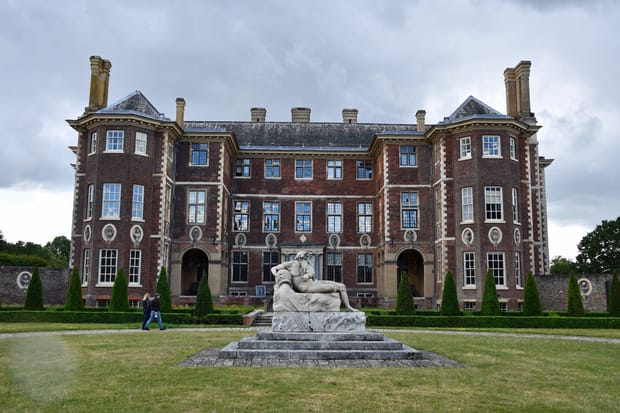
Ham House was built in 1610 for Sir Thomas Vavasour, right on the banks of the Thames. But its real story starts a few decades later.
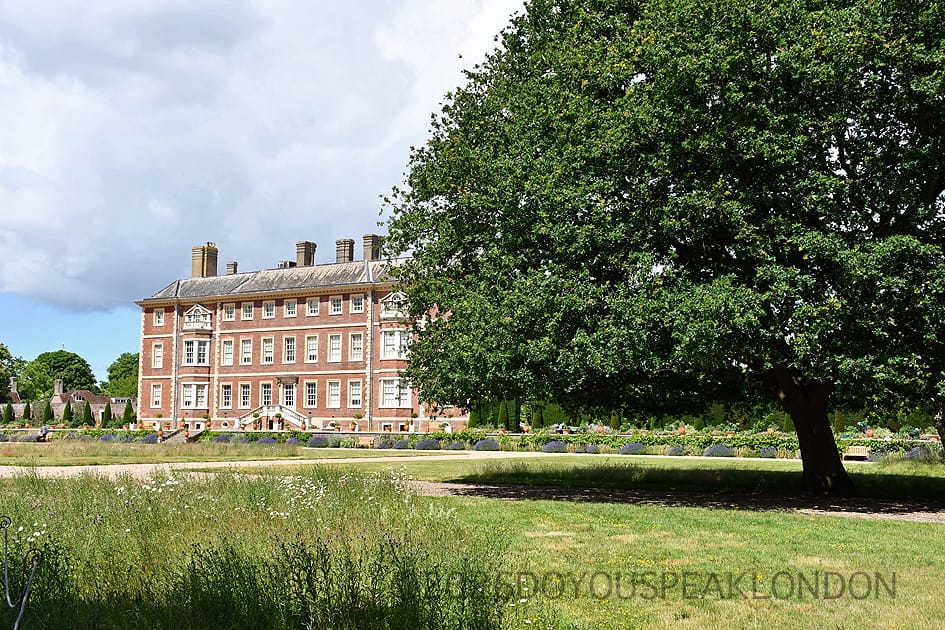
In the 1670s, it was extended and remodelled by Elizabeth Murray, Duchess of Lauderdale, and her husband John Maitland, Duke of Lauderdale.
Elizabeth is the one worth remembering here. She was politically sharp, socially ambitious, and deeply involved in the intrigues around the English Civil War and the Restoration.
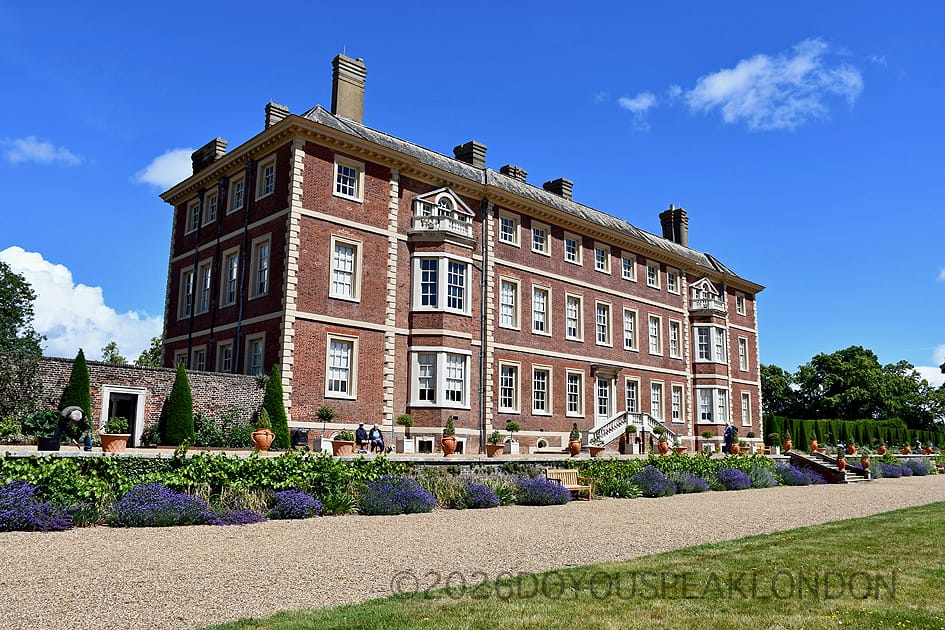
Ham House became her statement piece. Today it's often described as Europe's most complete surviving example of 17th-century fashion, taste and power. It's genuinely rare to find interiors this intact from the Stuart era.
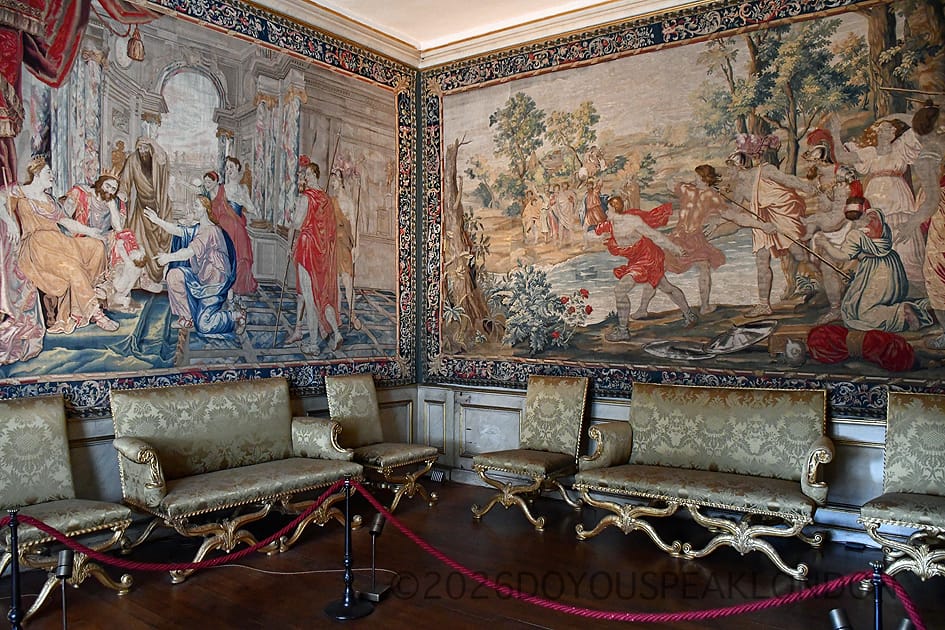
Baroque ceiling murals by Antonio Verrio, ornate Caroline plasterwork, and rare damask wall hangings still cover the rooms.
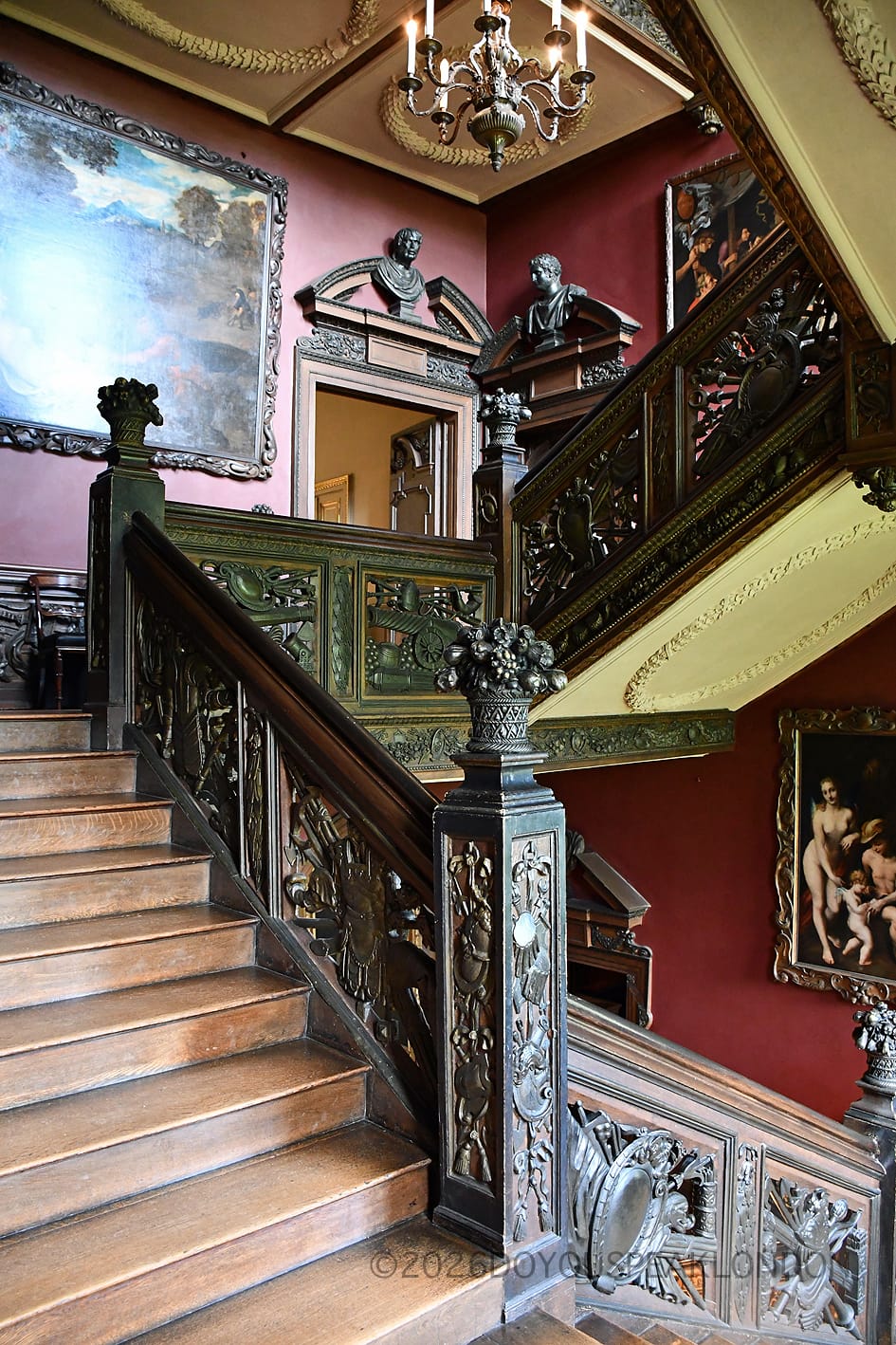
There's even a gilded staircase with a carved balustrade showing off trophies of arms, because subtlety was clearly not the Lauderdales' priority.
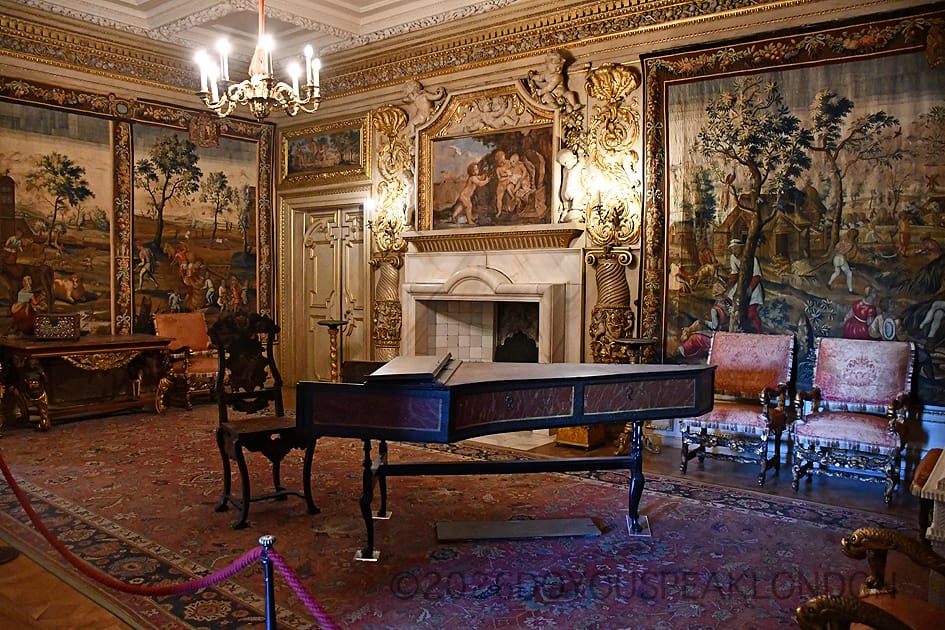
Today, Ham House is managed by the National Trust, but it still feels like stepping back in time. Sitting beside the river, just outside Richmond, it looks much as it did centuries ago. And it's definitely worth discovering!
Ham House and Garden highlights: what to see and do
Inside the house
This is where I'd tell you to slow down, because there's a lot to take in!
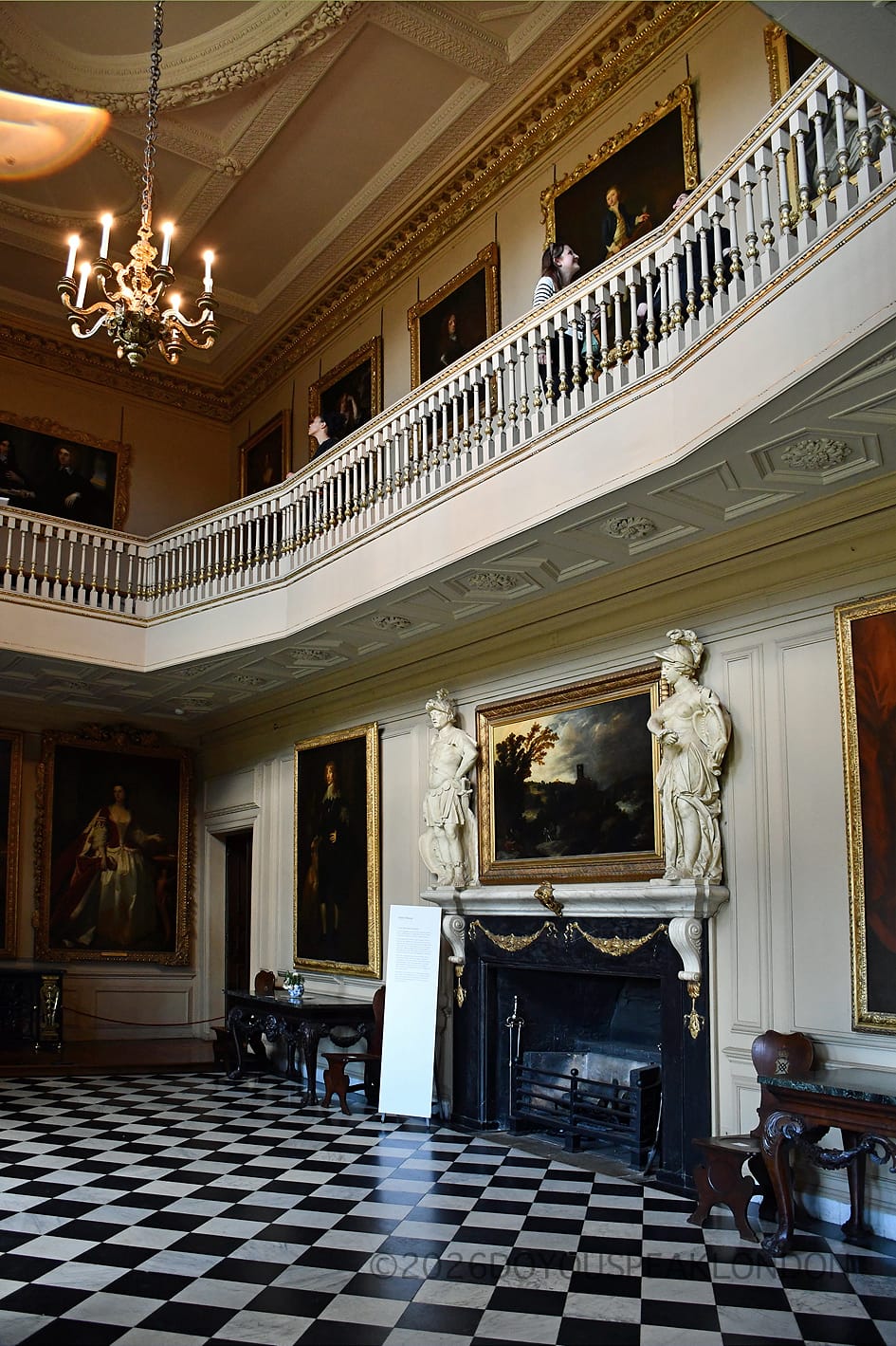
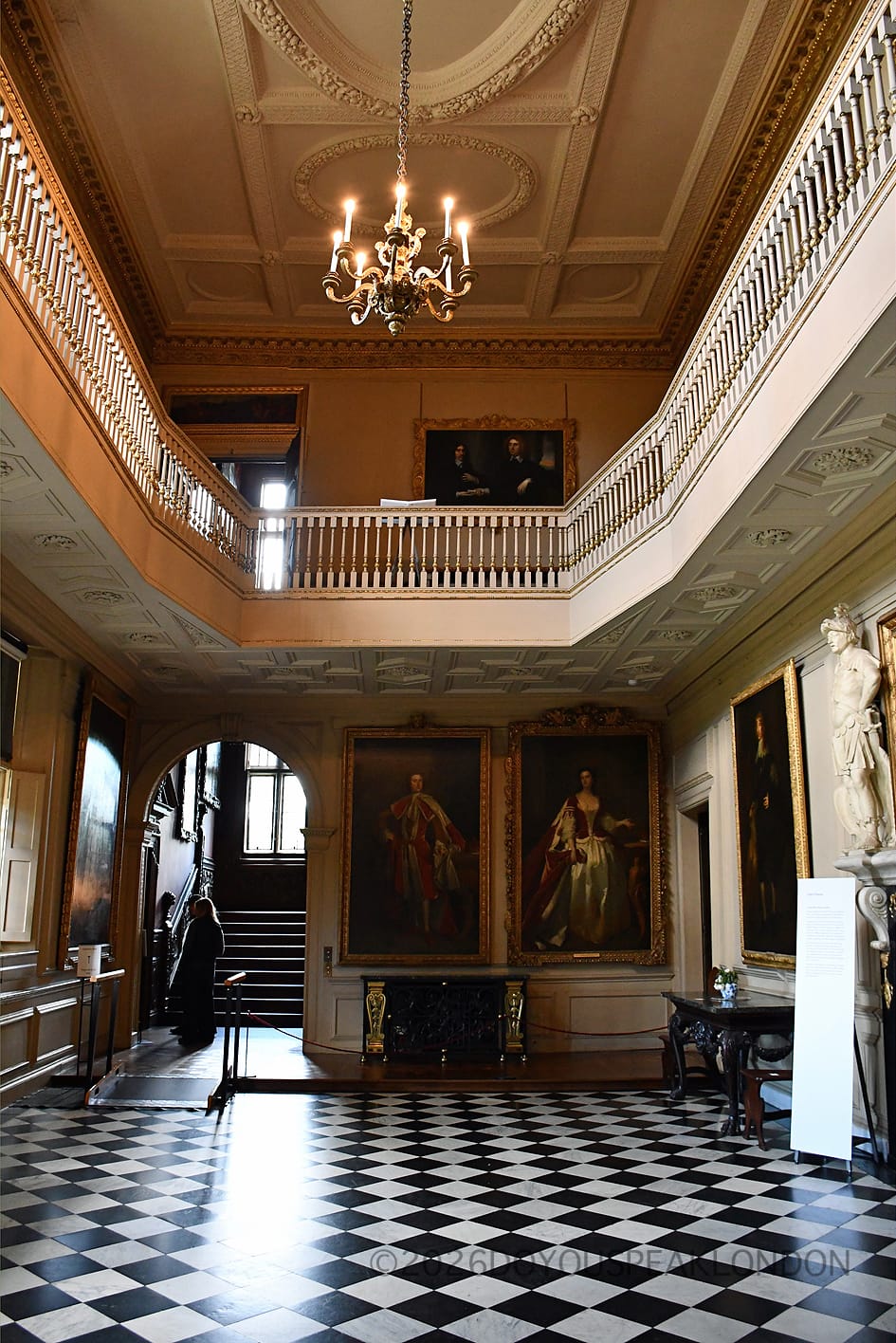
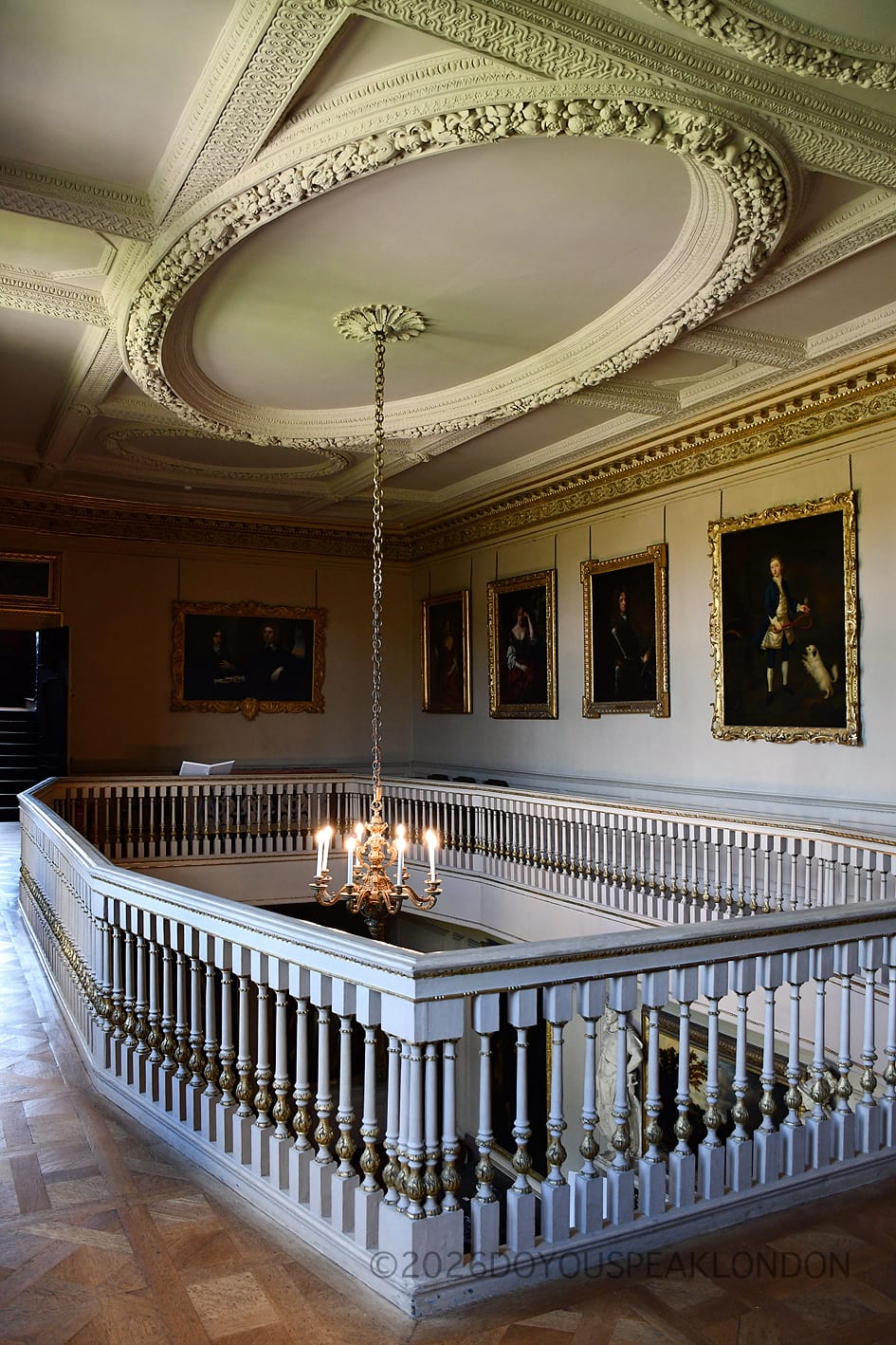
Look up as you step into the Great Hall and you'll spot the Round Gallery balustrade running around the first floor above you. It was added later, in around 1690, when Elizabeth Murray had the original hall ceiling opened up to create this balconied viewpoint.
Guests would once have leaned over it to watch the comings and goings below, and standing in the black-and-white chequerboard hall today, chandelier overhead, portraits lining the walls, it's easy to picture it.
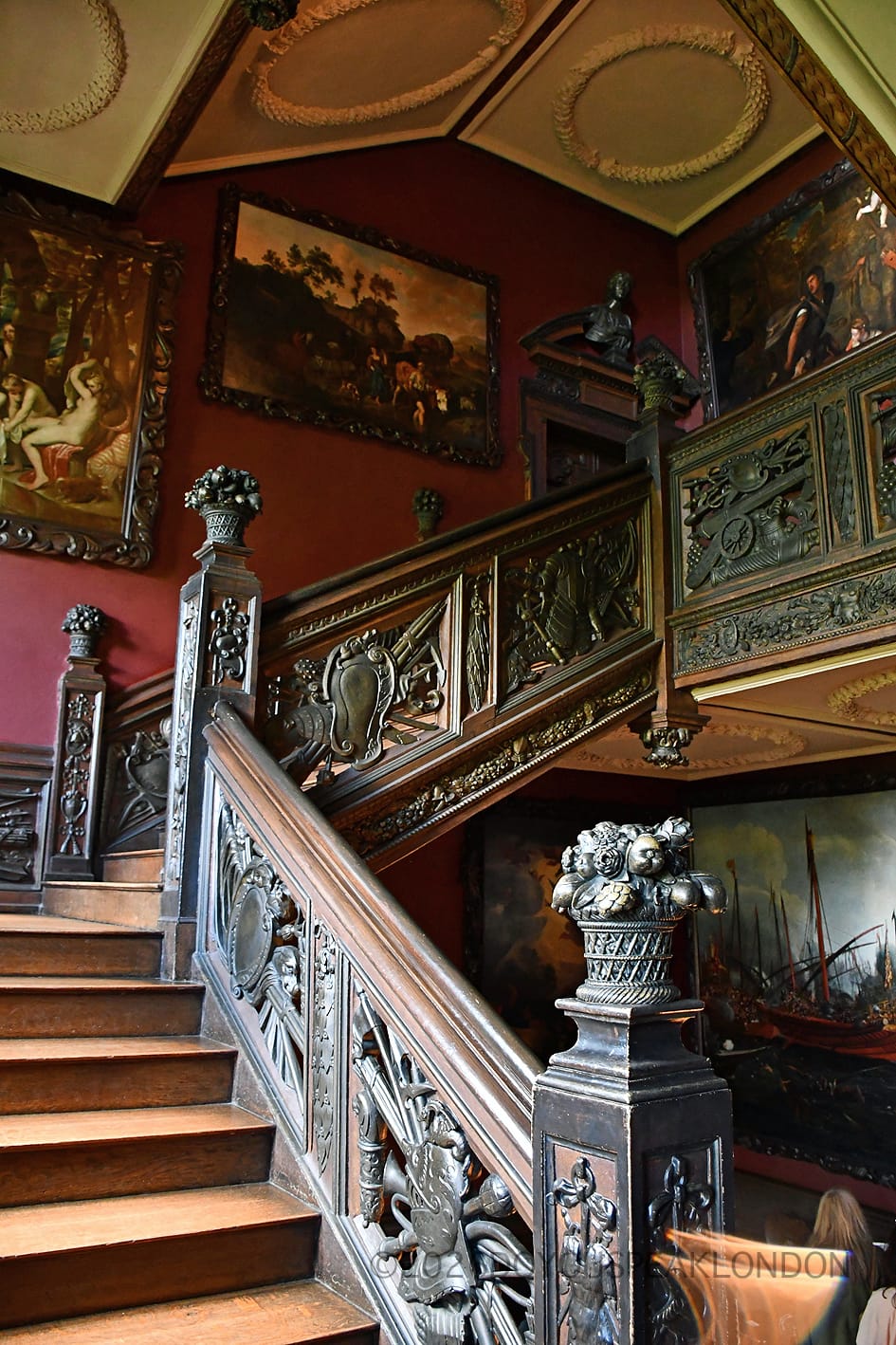
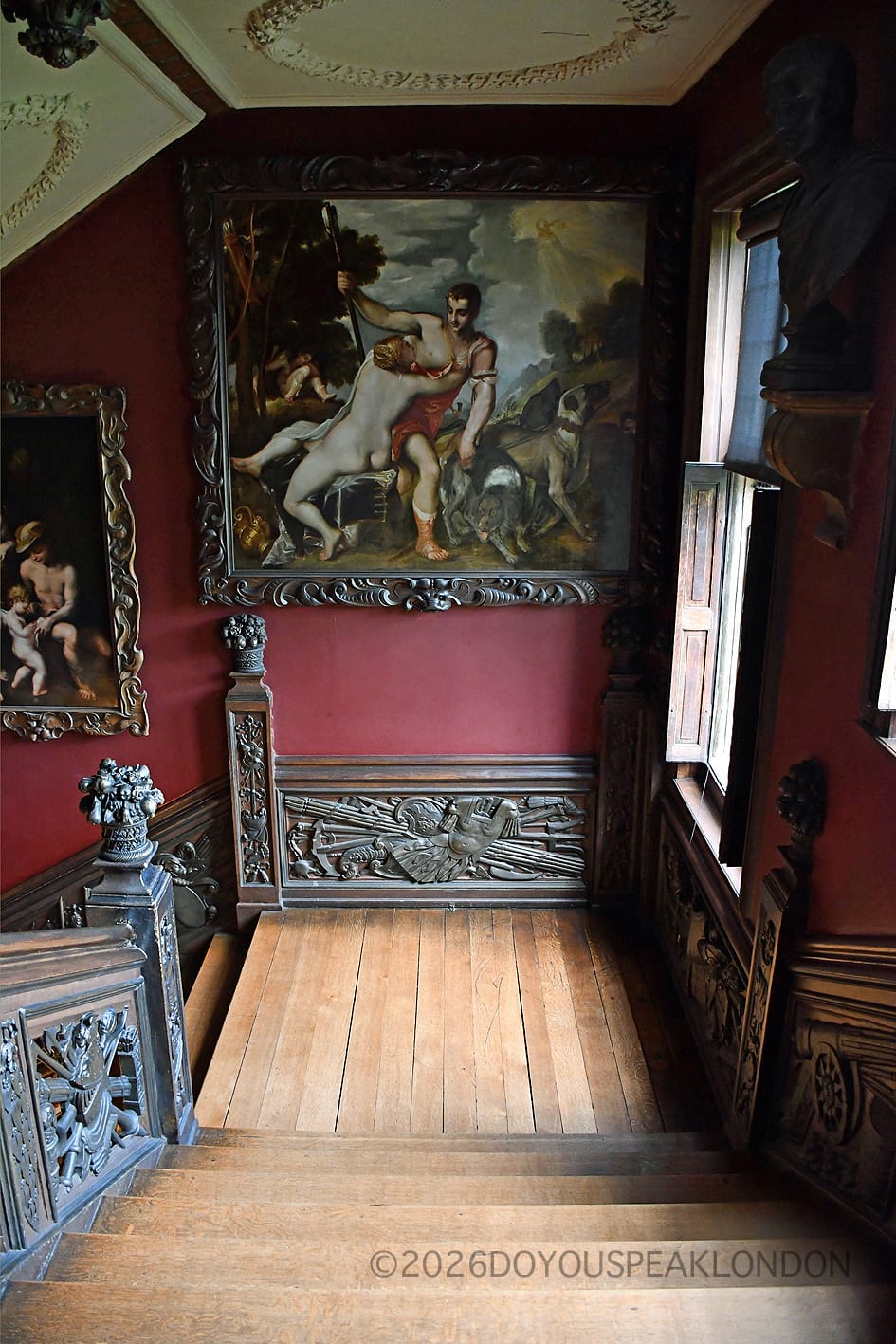
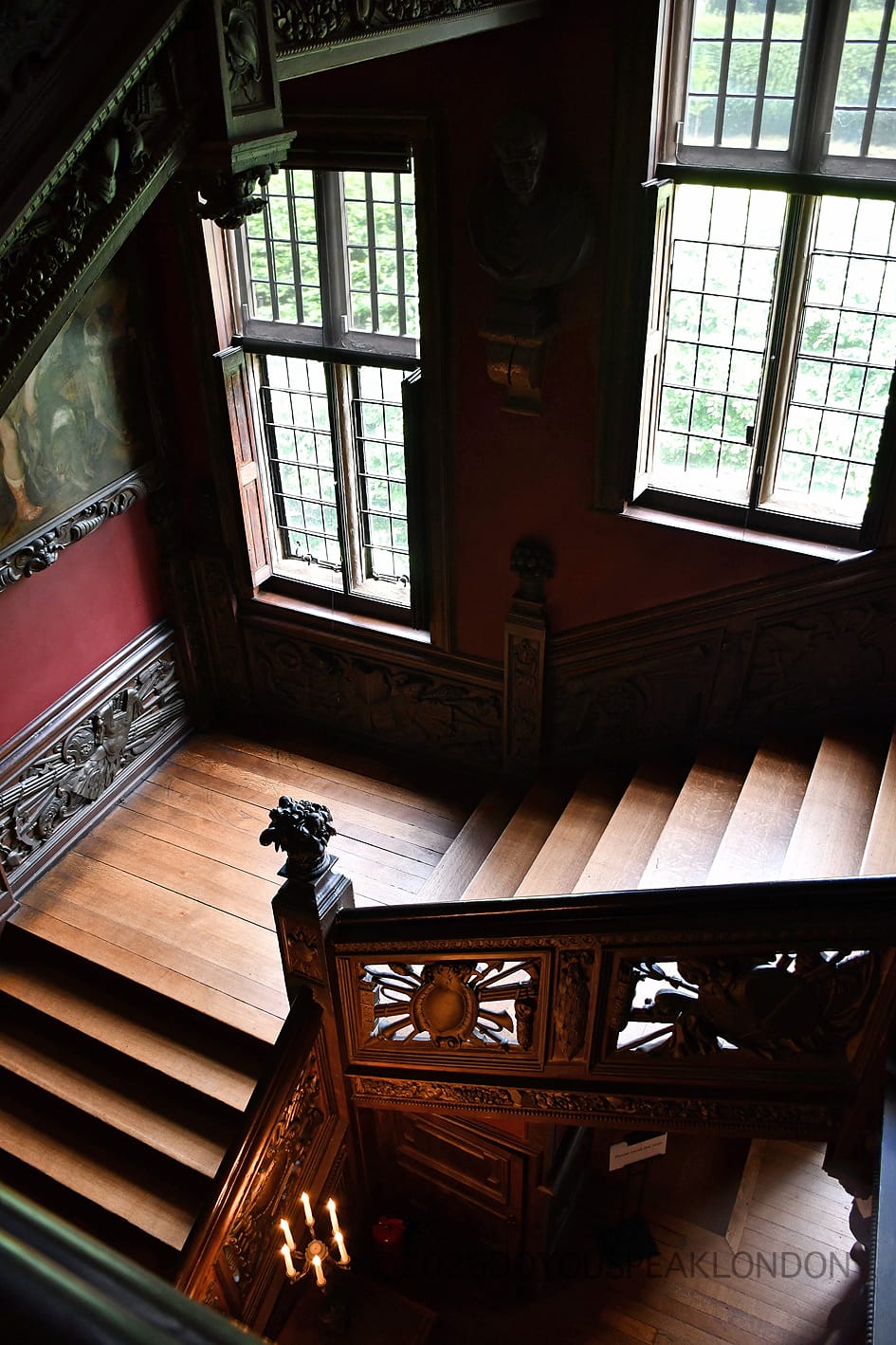
Don't rush past the staircase. It's one of the highlights of the whole visit: grained and gilded, with a carved, pierced balustrade running all the way up to the first floor, showing off trophies of arms.
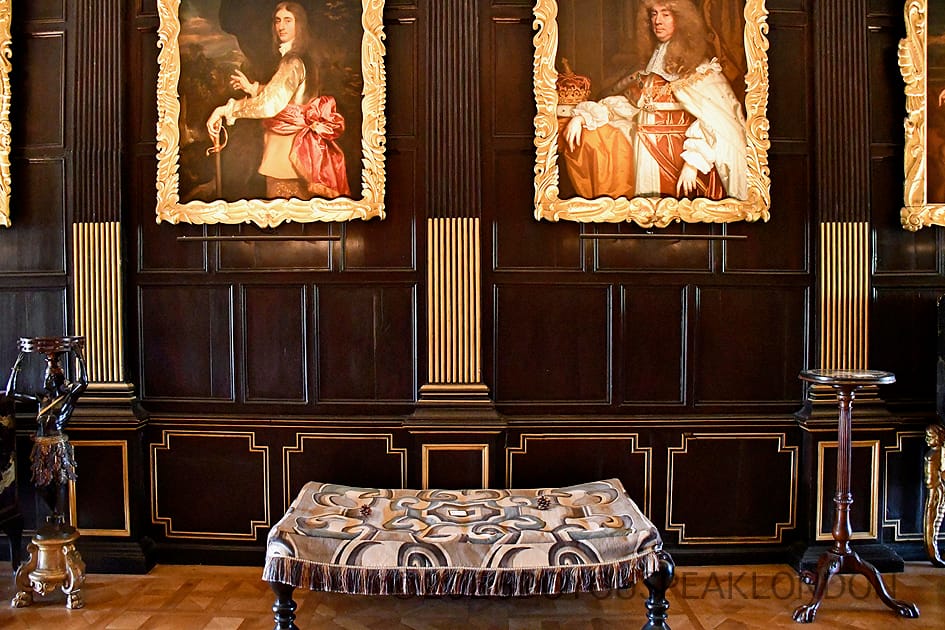
Inside Ham House, every room feels like a small time capsule, filled with objects and artefacts that really bring the history to life.
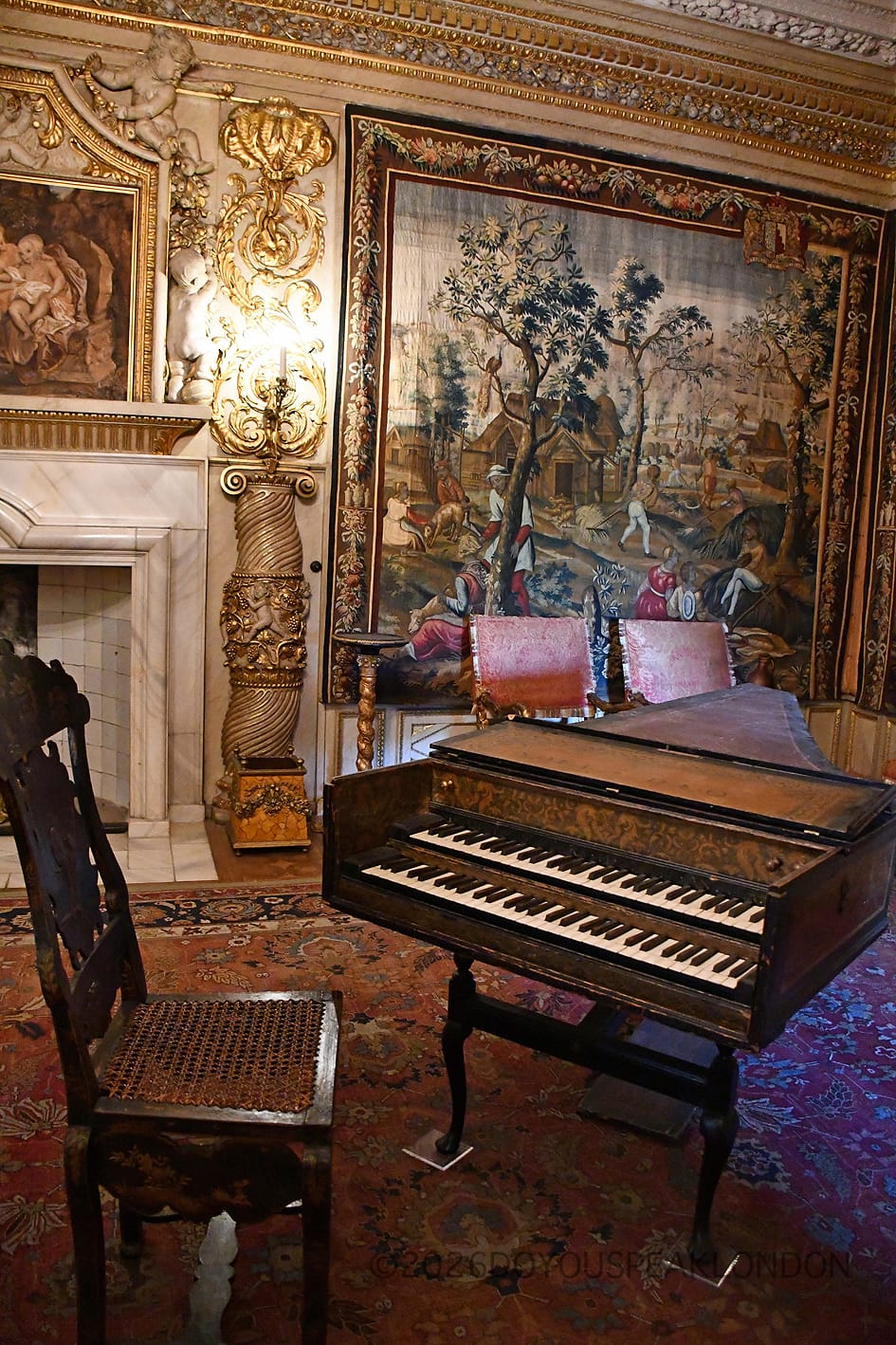
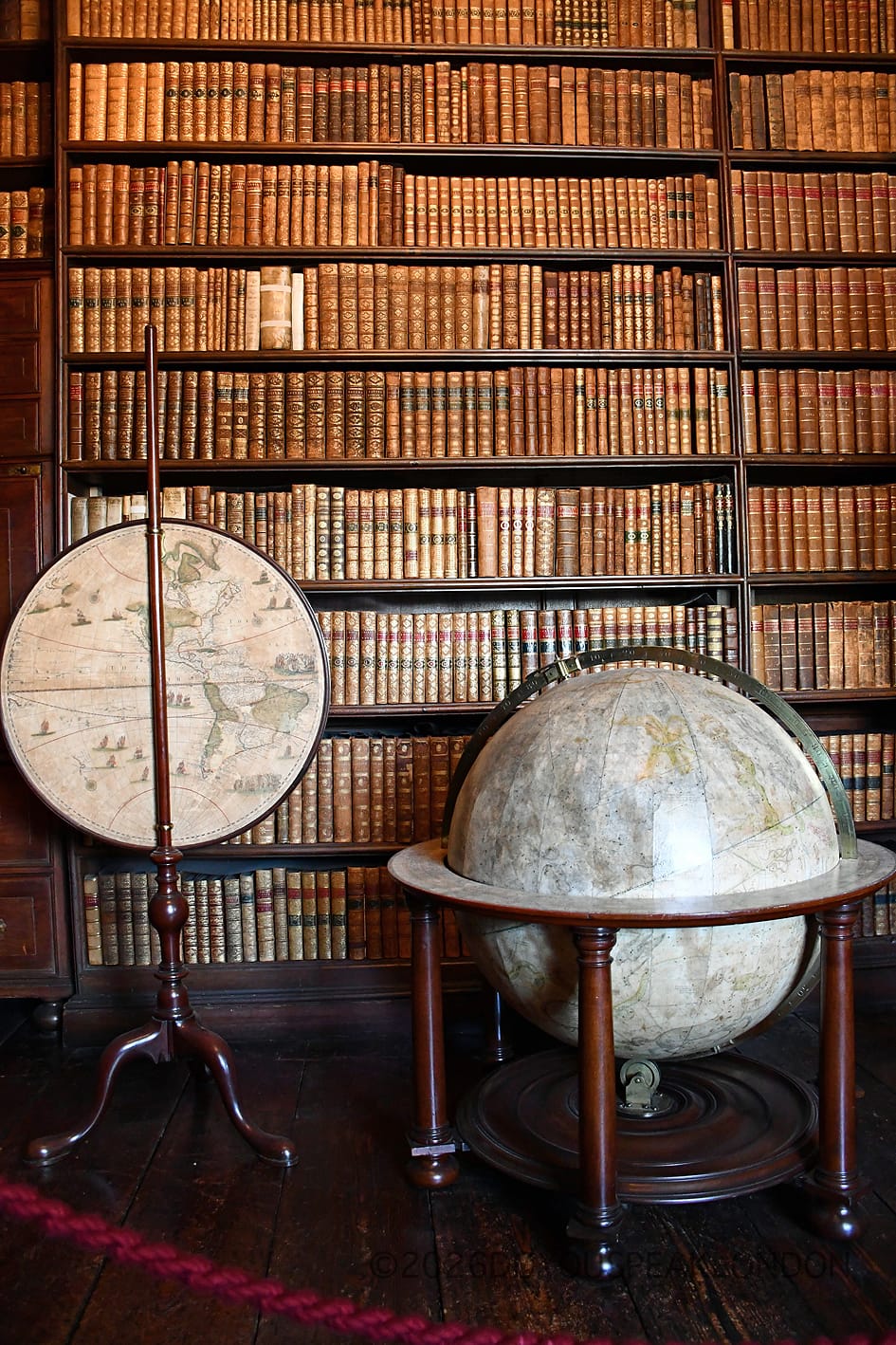
The library, dating from the 1670s, is one of the earliest purpose-built country house libraries in England. I love libraries like this, they feel like they have stories built into every corner!
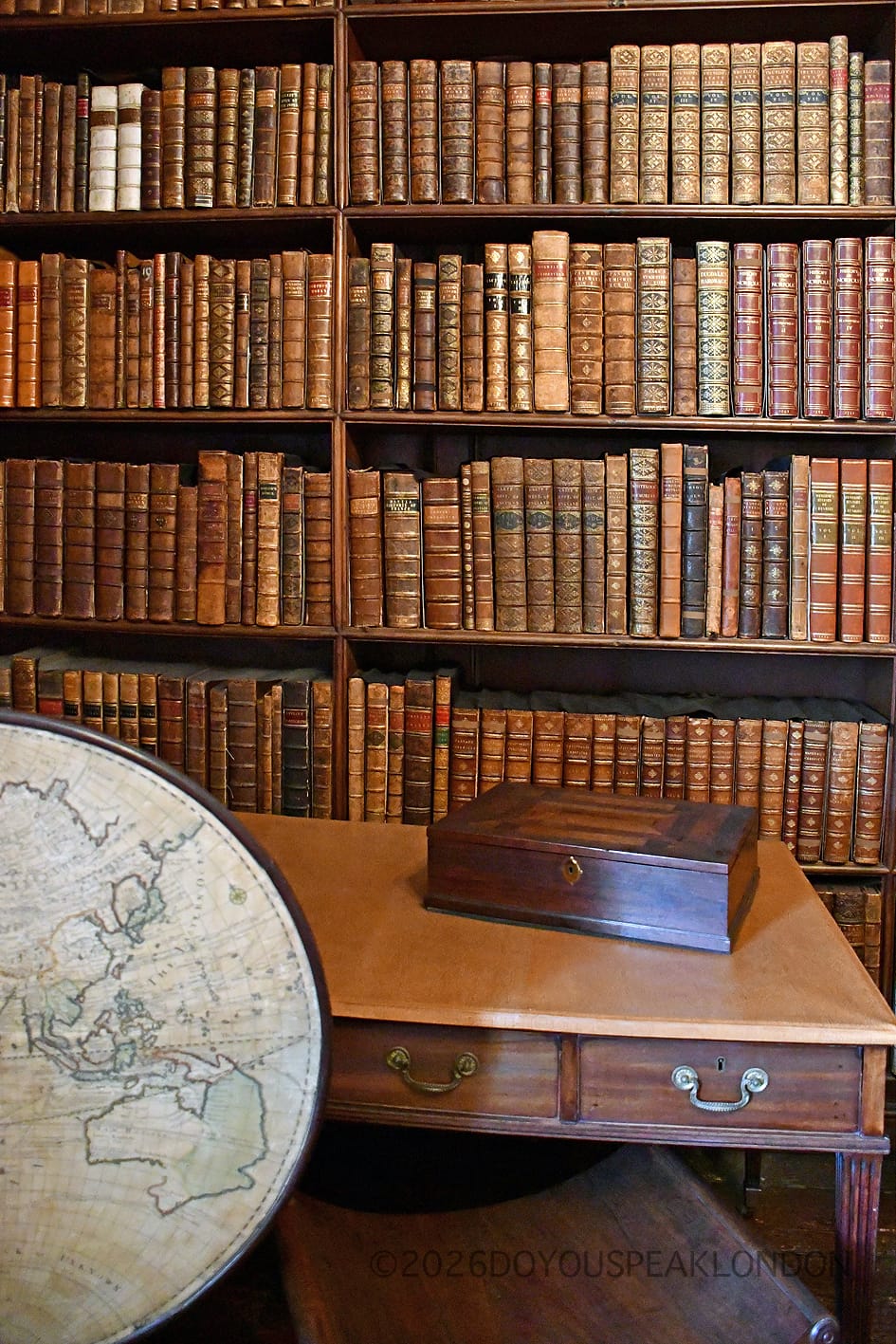
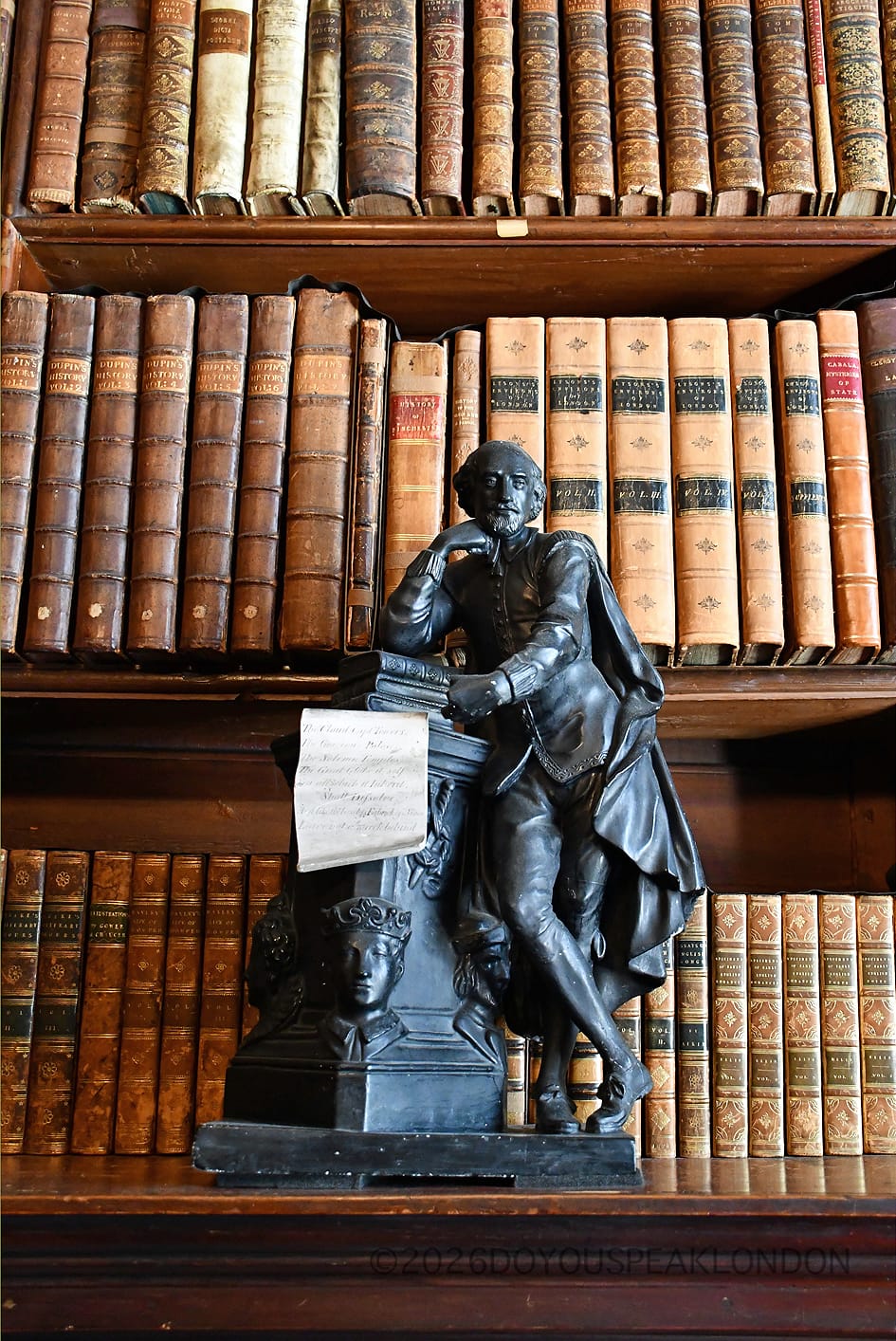
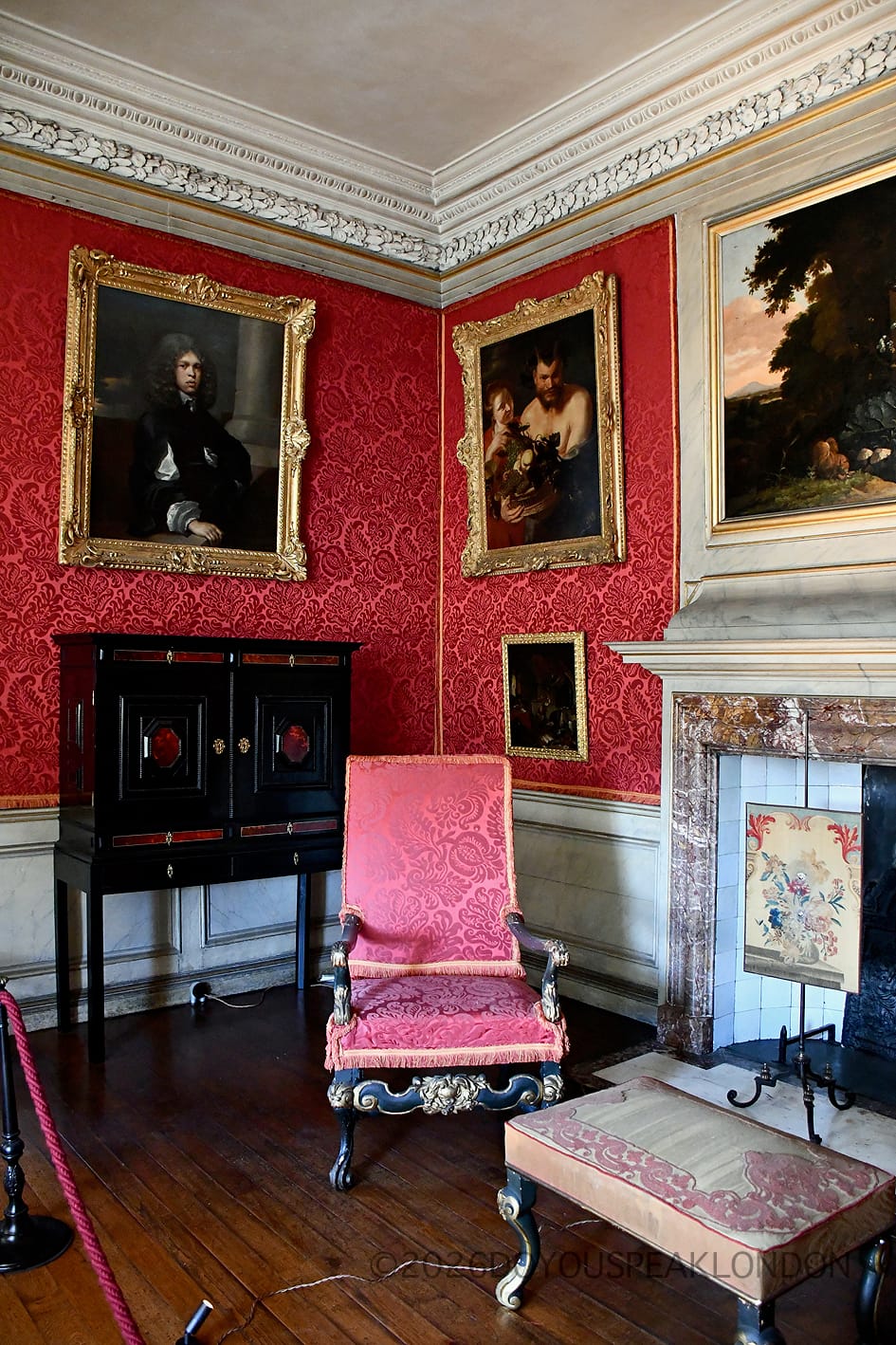
Wander further and you'll find original textiles, portraits, and furniture that have survived largely untouched for 350 years. It's rare, and it shows.
Don't skip the basement, either. It's easy to overlook, but it's one of my favourite parts of the visit. The Historic Kitchen sits down here with a huge open hearth, worn flagstone floors, and rows of period cookware still laid out as if the staff had just stepped away.
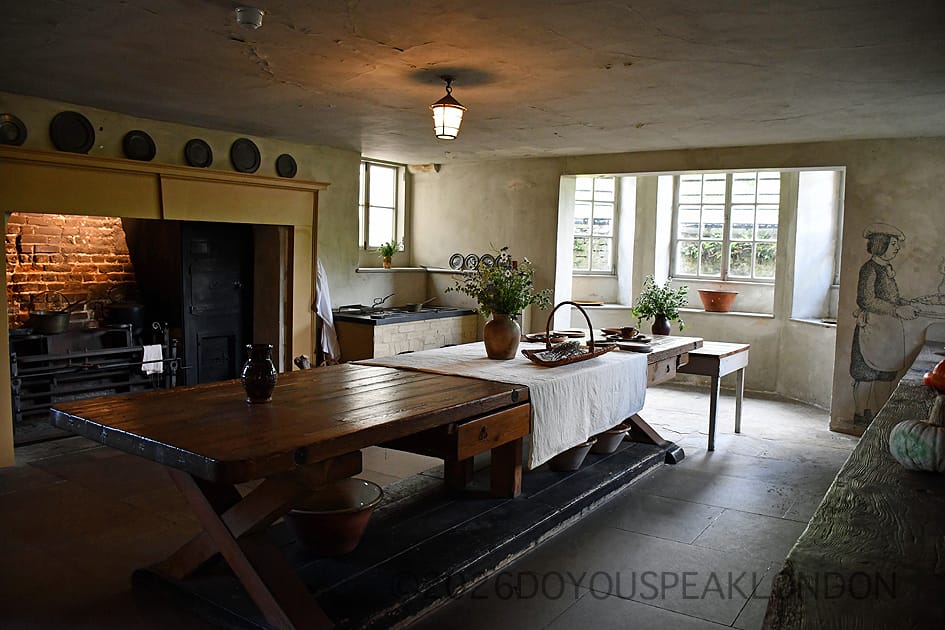
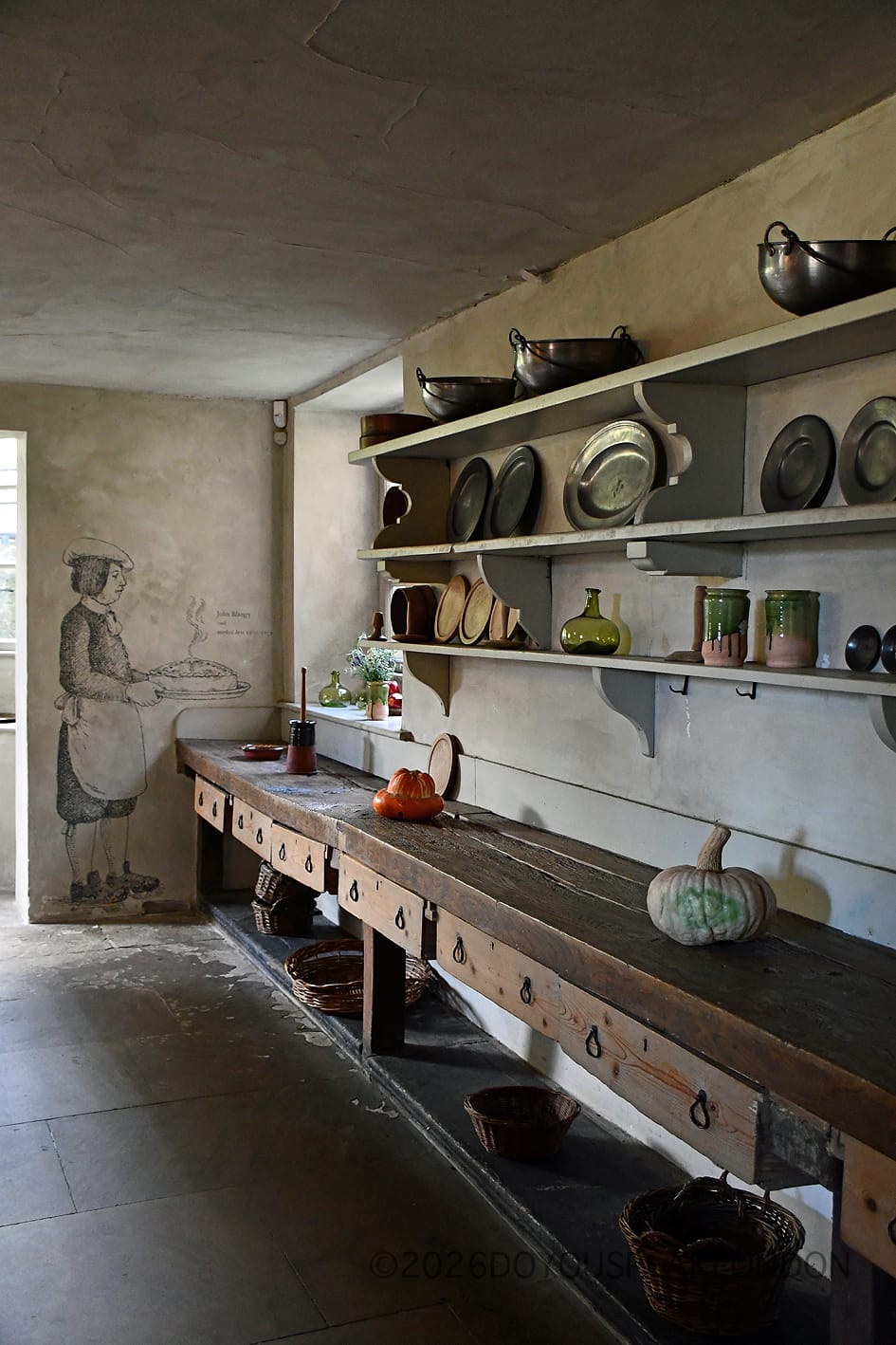
I was honestly surprised by how big it is, and there’s even natural light coming in, which feels unexpected for a basement space. It’s a completely different world from the grandeur upstairs, and easily one of the most atmospheric rooms in the house.
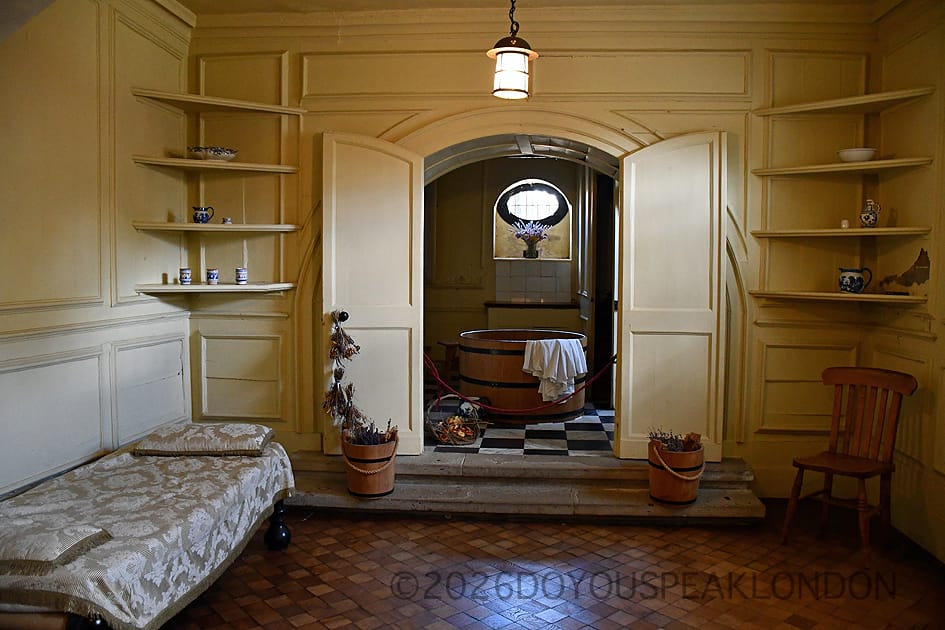
Tucked next to the Historic Kitchen is the Duchess's Bathroom, one of the earliest purpose-built private bathrooms in England, installed in the 1670s!
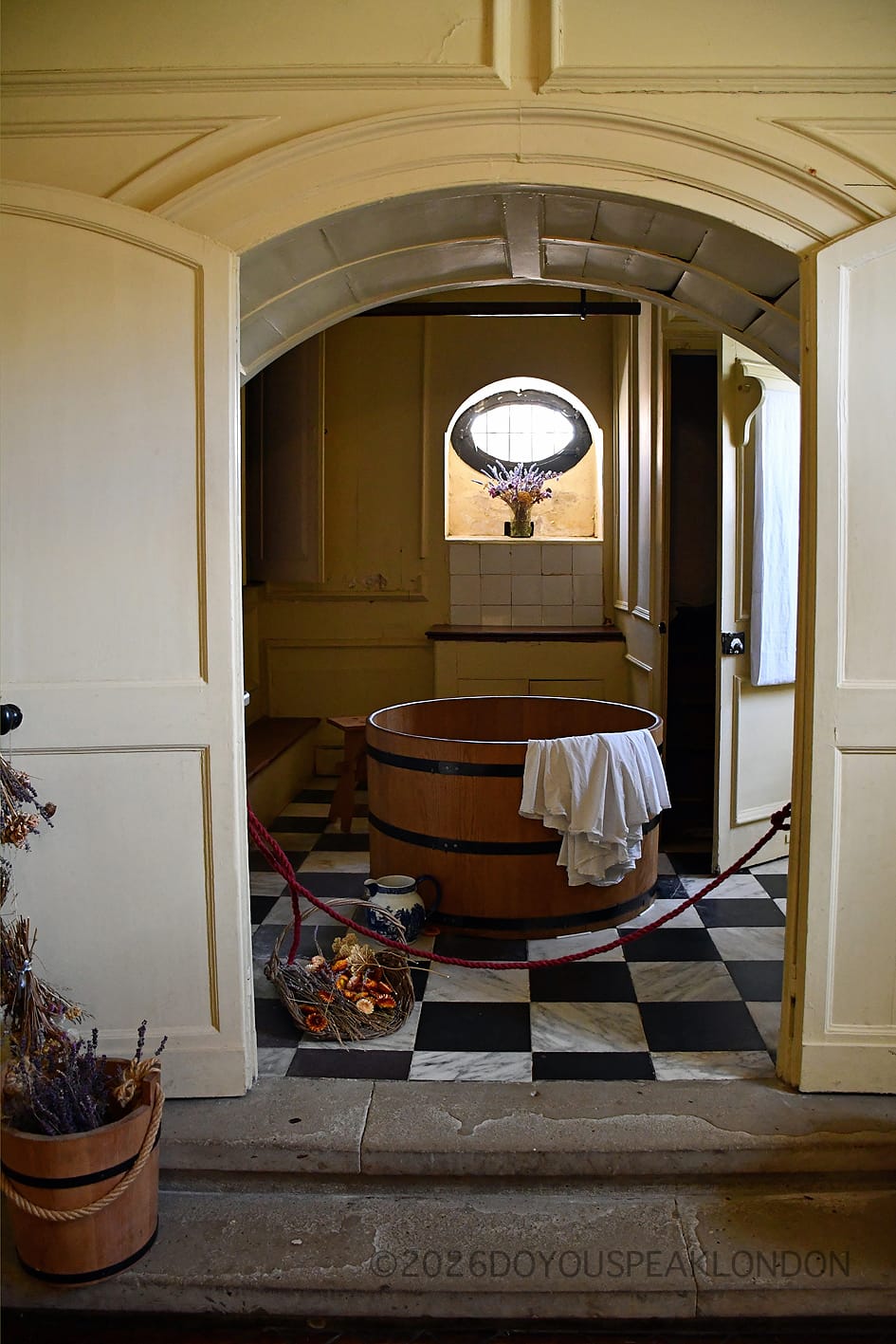
A wooden tub still sits under an arched doorway, with a small bed nearby for resting afterwards. Seeing it next to the working kitchen, so far removed from the grandeur upstairs, gives the whole house a different kind of context.
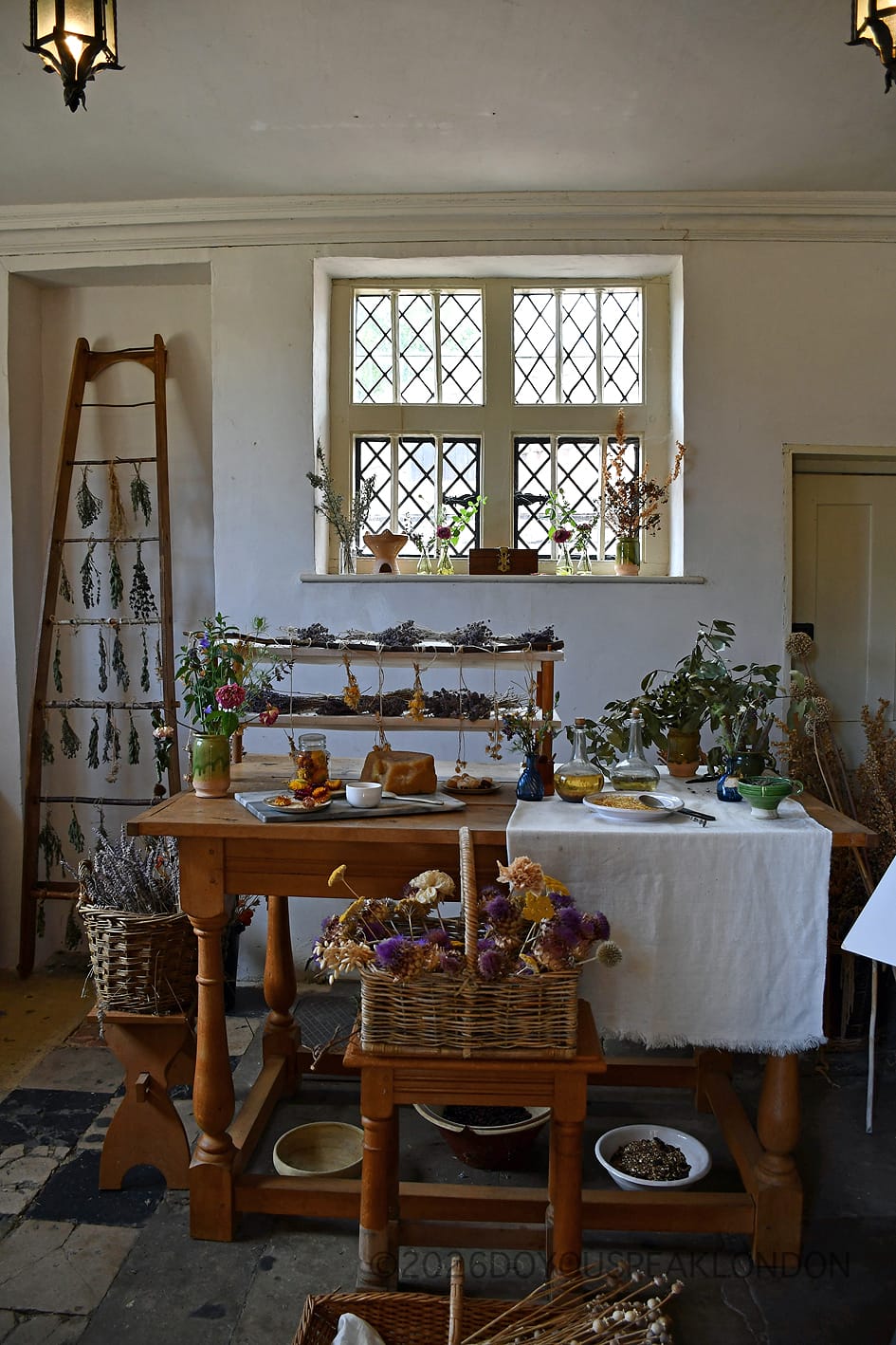
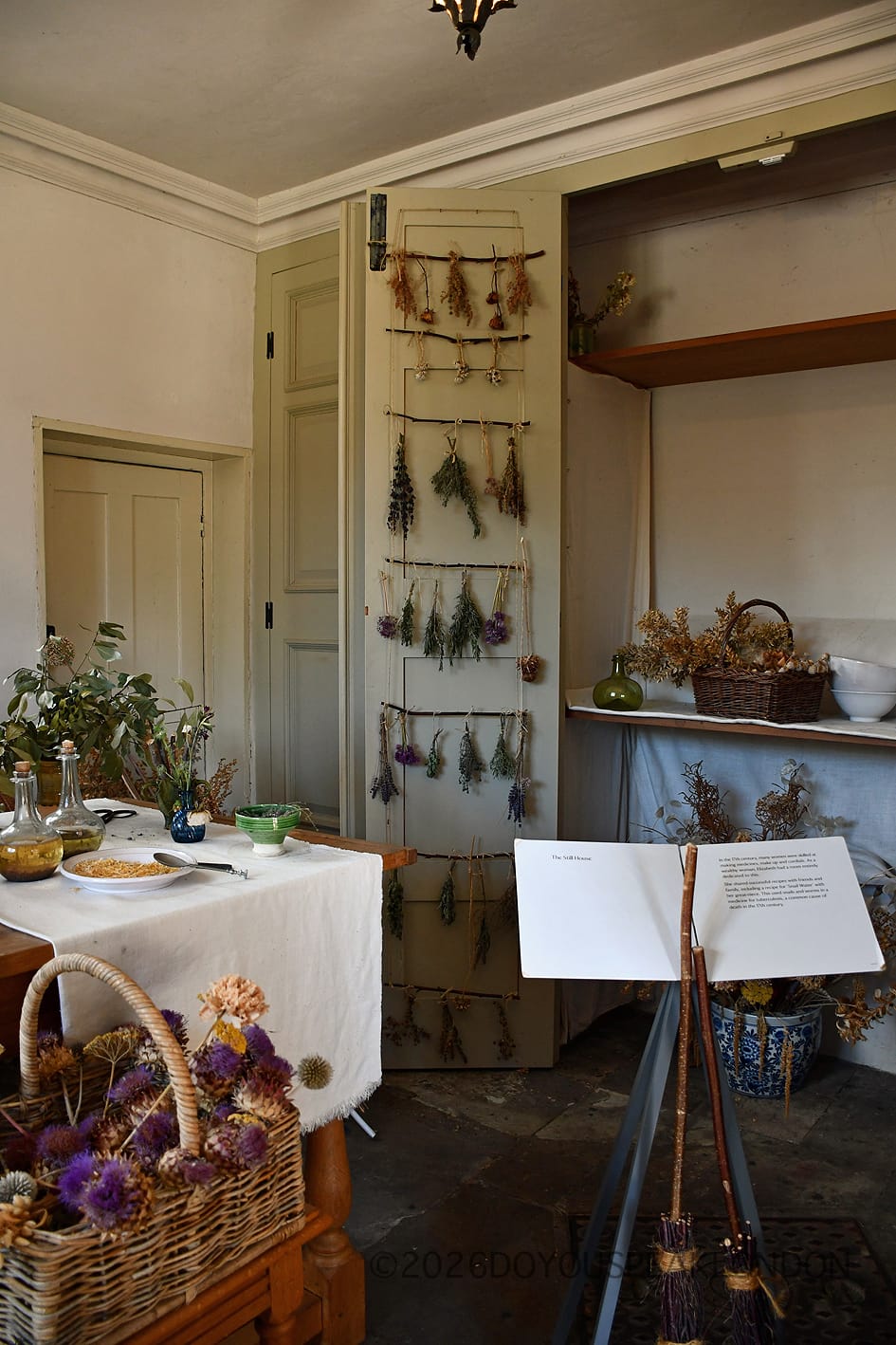
Before you head back out into the garden, look out for the Still House, a small outbuilding tucked near the courtyard where herbs and flowers were once distilled into cordials, perfumes, and remedies, basically a 17th-century apothecary.
Step inside and you can almost imagine the scent of drying herbs still lingering. It’s easy to miss, but one of those little details that makes Ham House worth exploring slowly!
Outside, in the garden
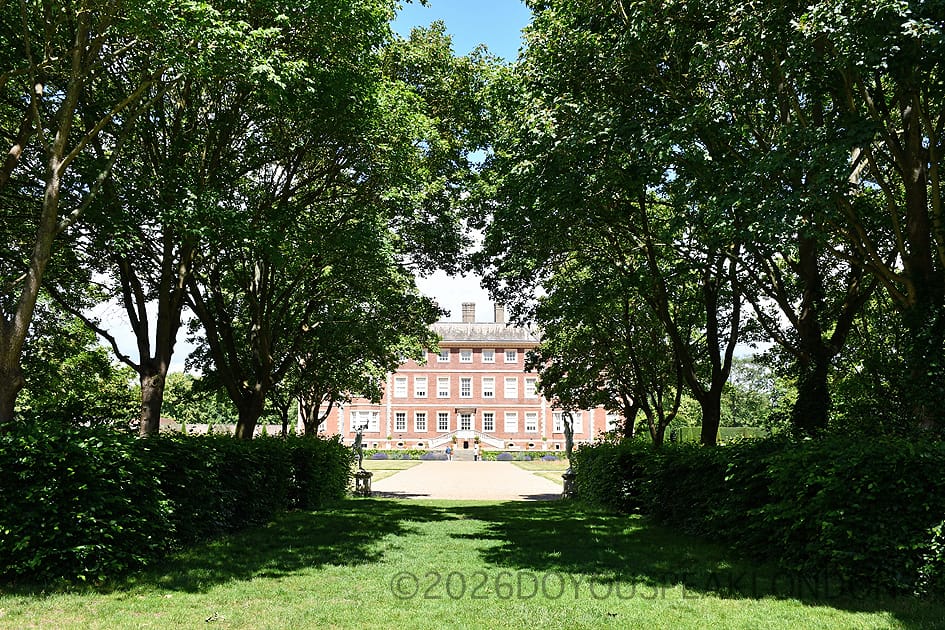
It spans around 50 acres and is one of the few formal gardens in Britain to survive the sweeping changes of the English Landscape movement.
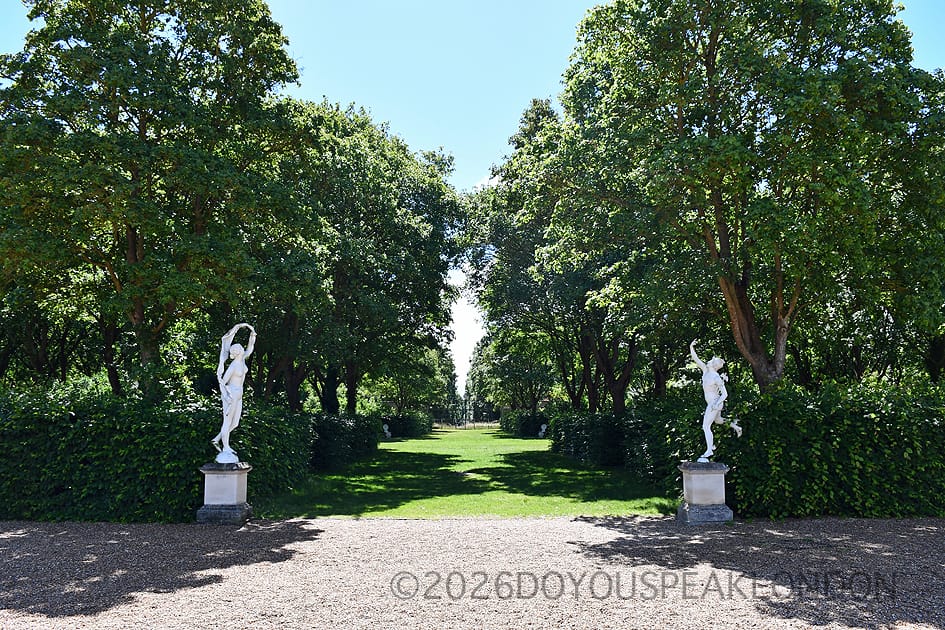
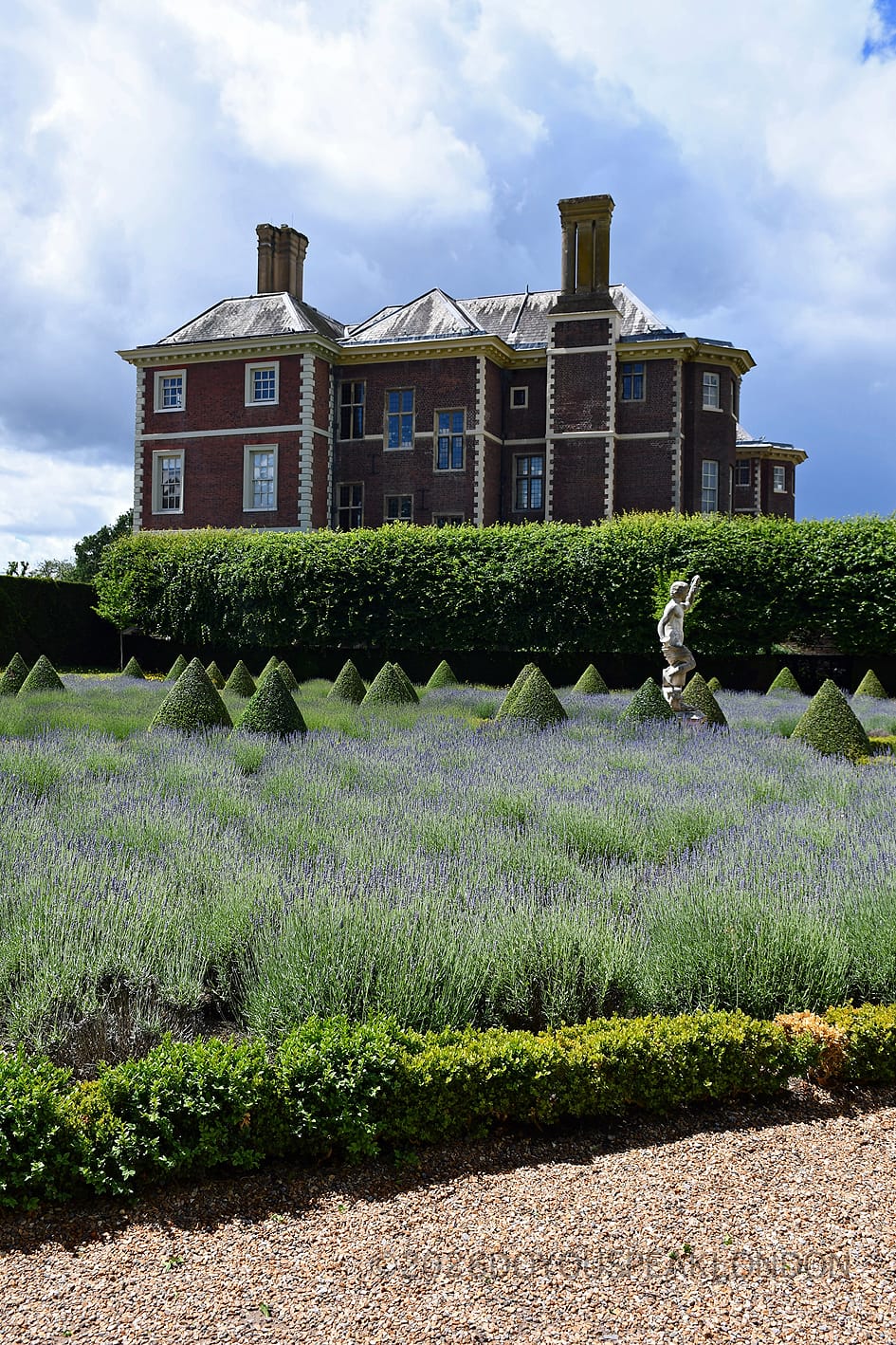
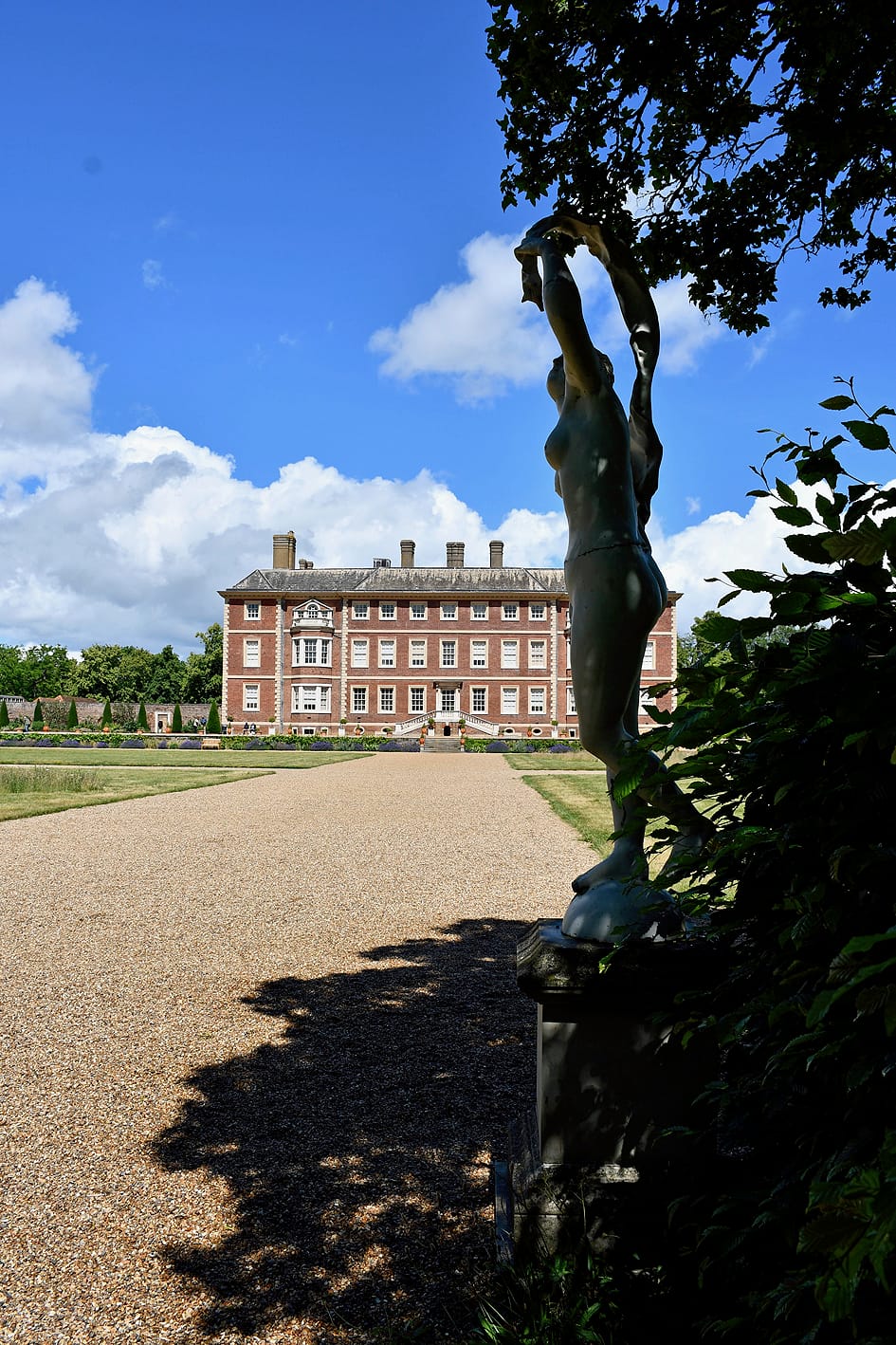
The Cherry Garden is the standout for me: neat box-hedged parterres, lavender, and a 17th-century statue of Bacchus watching over it all.
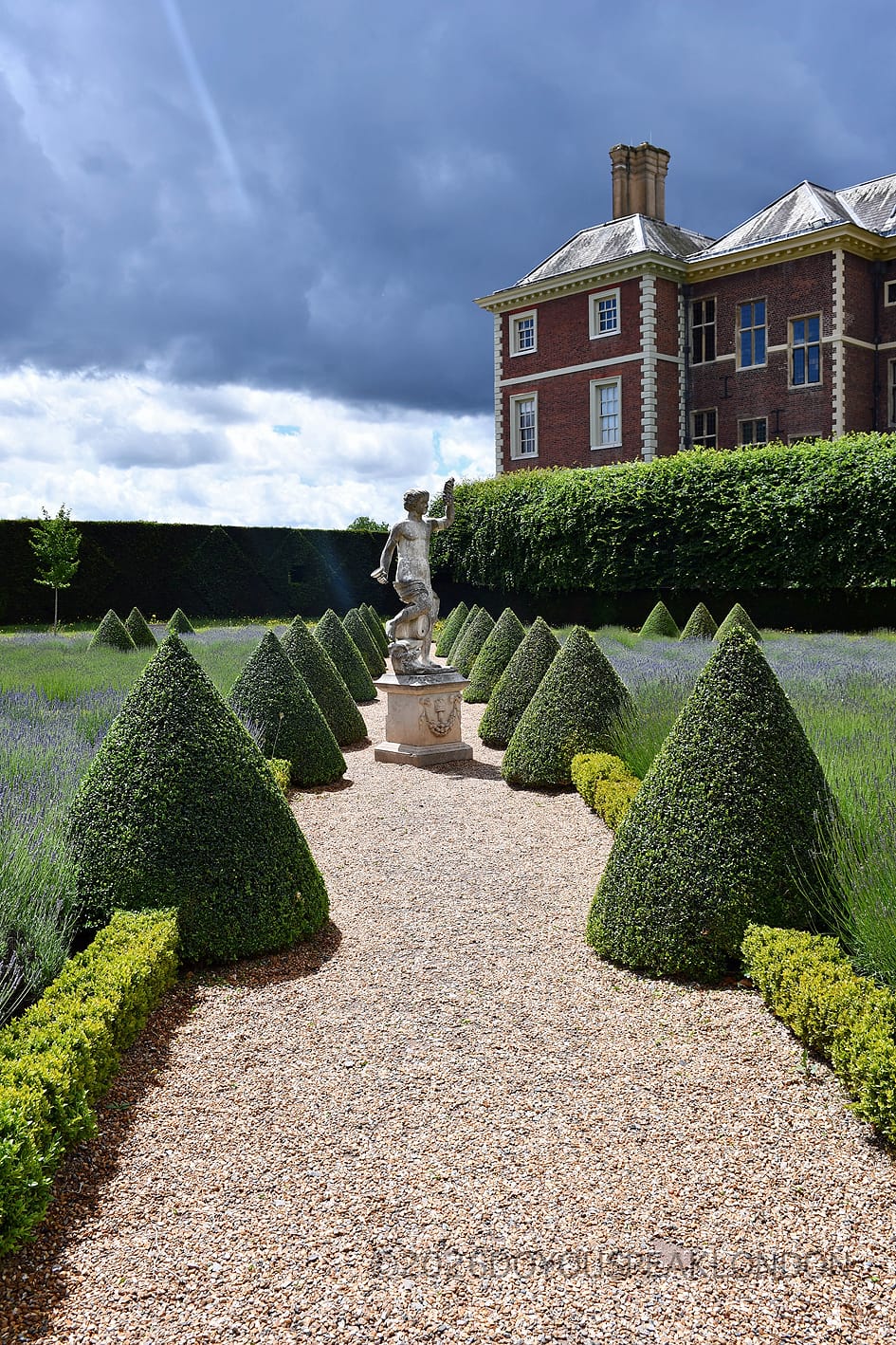
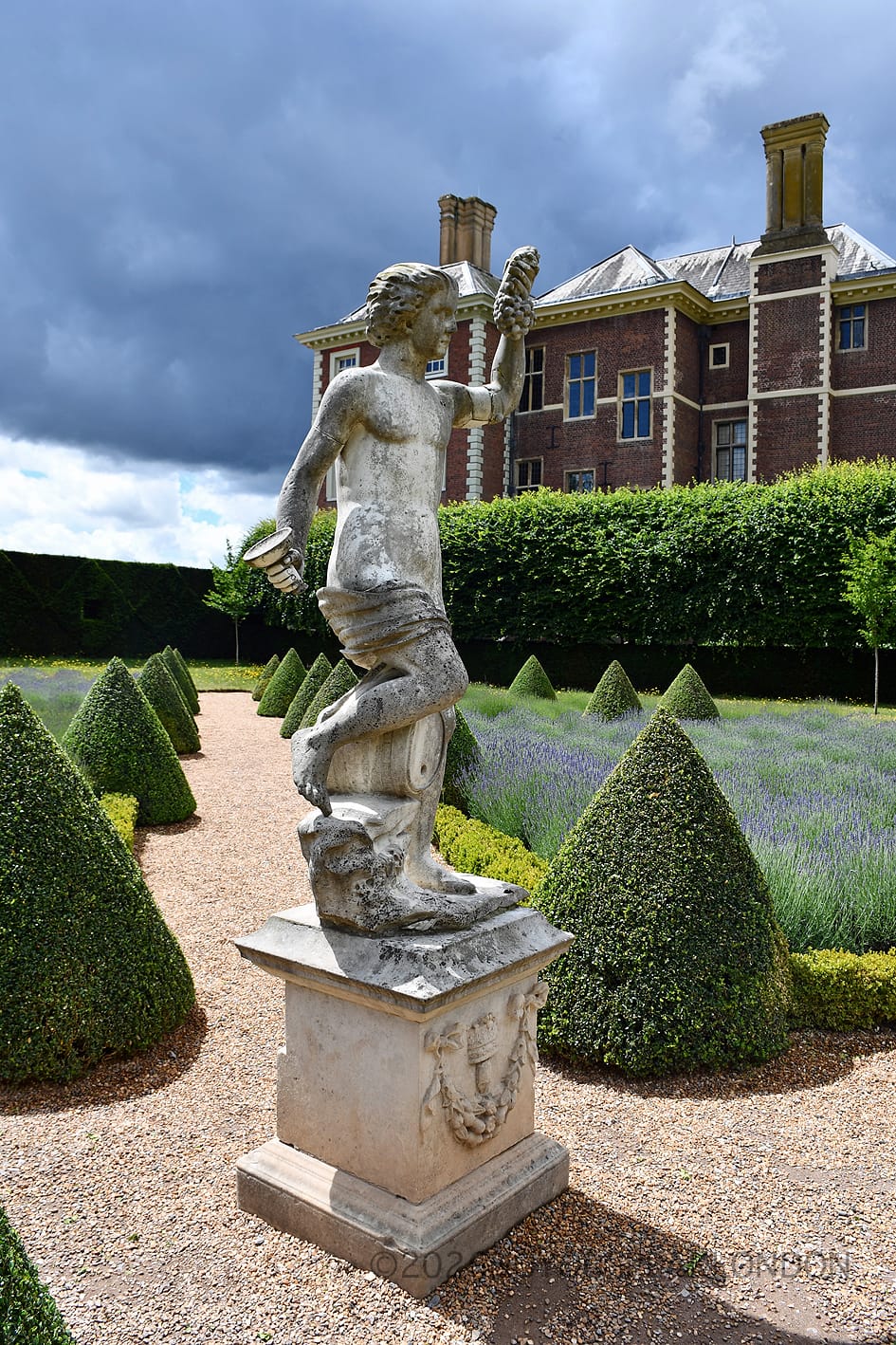
There's also a working Kitchen Garden, grown along organic principles, supplying produce straight to the Orangery Café.
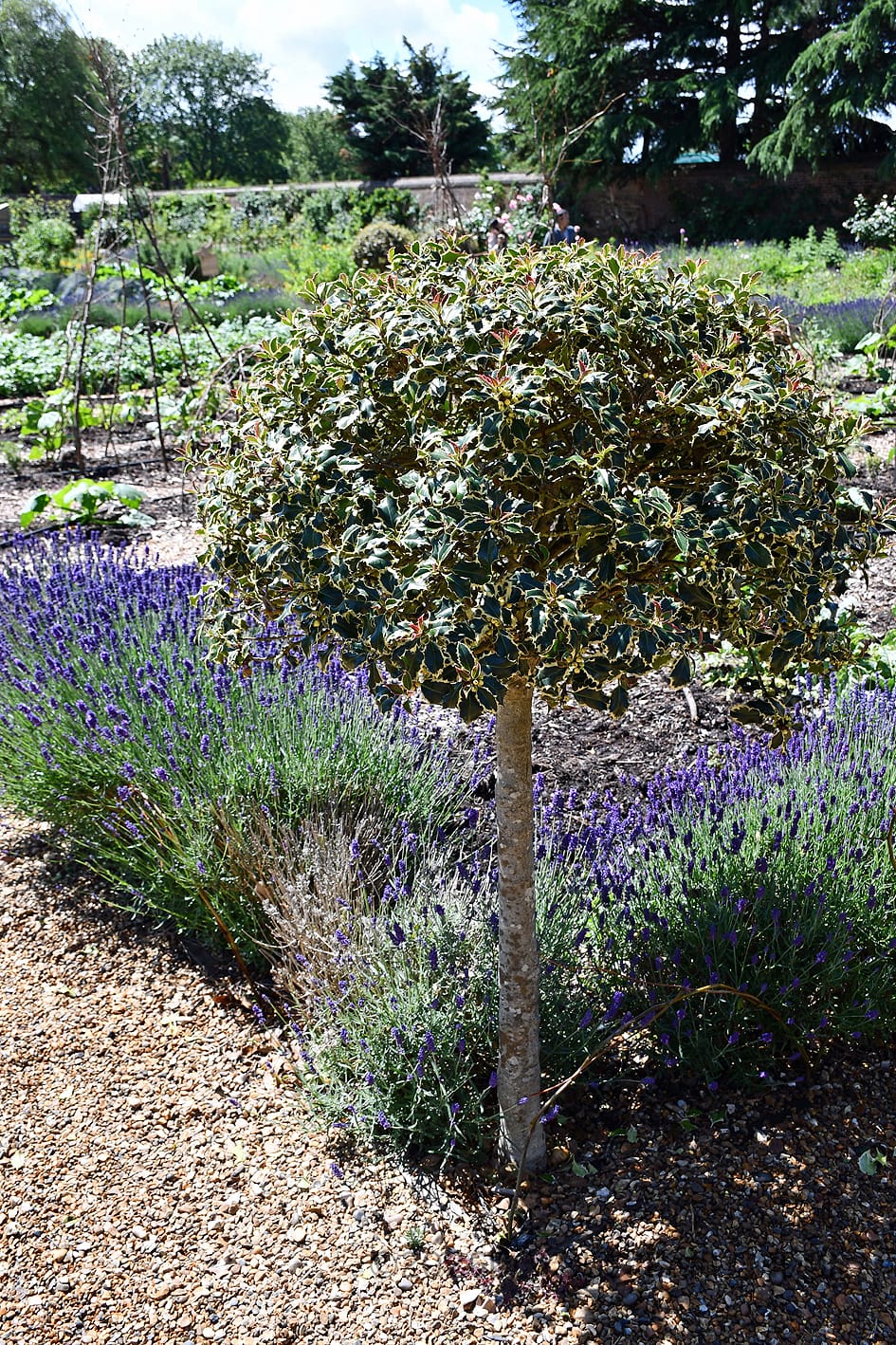
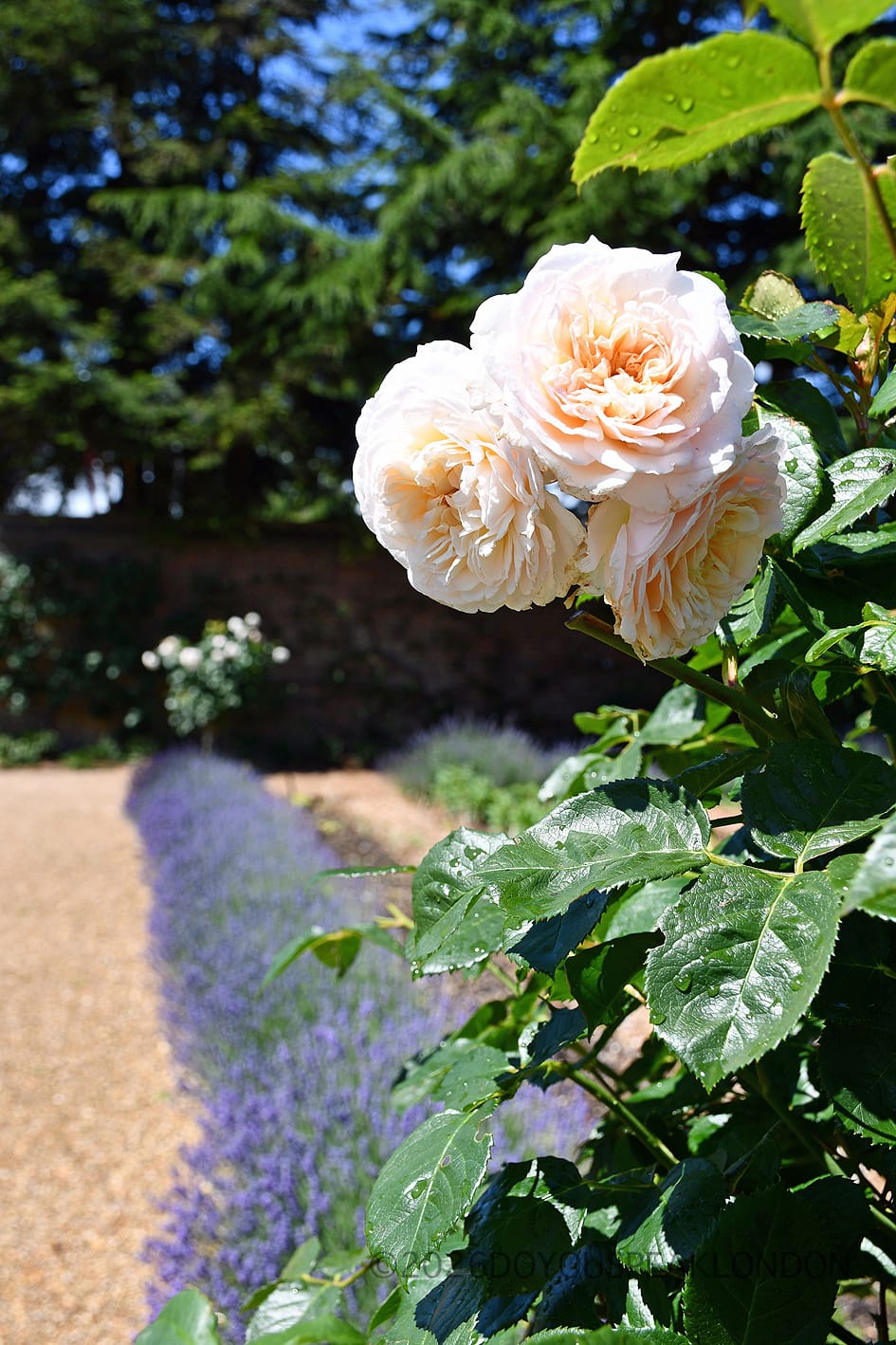
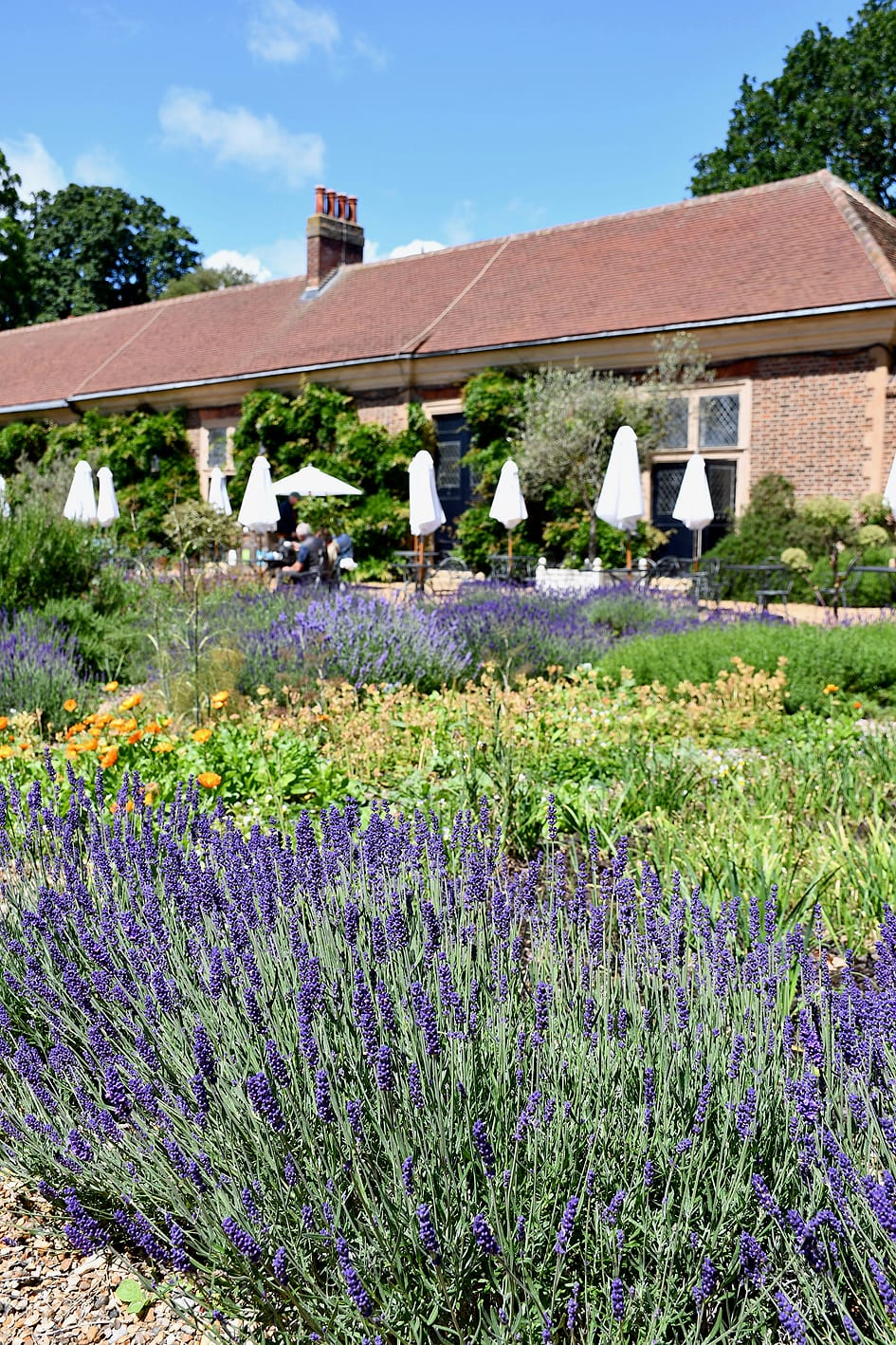
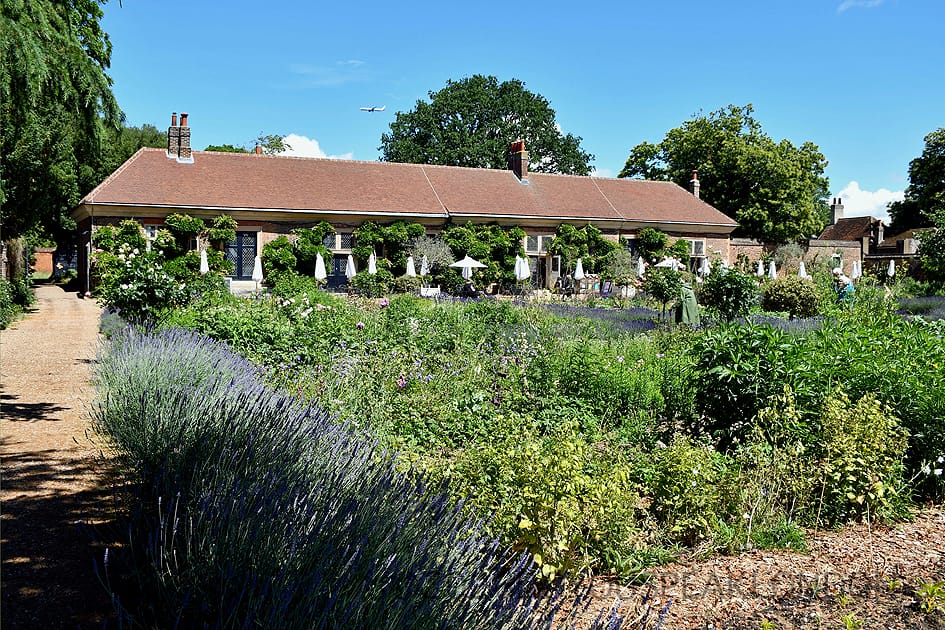
And then there’s the Wilderness, a beautifully structured, almost secret part of the gardens, where the clipped hedges and winding paths feel like a hidden pocket of calm right inside Ham House.
Why visit Ham House: a perfect stop on your Richmond day trip
Ham House sits about 1.5 miles from Richmond, reachable by a gentle riverside walk or a short bus ride.
If you've already explored Richmond Park or spent an afternoon browsing Richmond town centre with me before, Ham House is the natural next step.
It rounds out a Richmond day trip with something quieter, and honestly, more surprising than most people expect.
The walk along the Thames Path to get there is worth the trip on its own, past Marble Hill, Petersham Meadows, and even Peggy Jean, which I’ve already featured here.
For anyone building out a Richmond itinerary, Ham House adds history, gardens and a proper sense of escape, all without leaving Greater London.
Feeling inspired? If you're planning a visit to Ham House and Garden, I'd love to hear about your experience on DOYOUSPEAKLONDON!
DISCOVER MORE LONDON ESCAPES HERE!
FOLLOW ME ON INSTAGRAM FOR MORE INSPIRATION!
Everything you need to know about Ham House and Garden:
Address: Ham Street, Ham, Richmond-upon-Thames, Surrey, TW10 7RS
Tickets: National Trust members go free. Adult and child tickets are available on the day or in advance; prices vary seasonally, so check the National Trust website for current rates.
Opening hours: Garden and Orangery Café generally open daily, 10am–5pm (summer) and 10am–4pm (winter). The house is open with standard access in peak season, and by guided tour only during January–March and October–December. Closed 24–26 December. Always confirm on the website before visiting, as hours can shift for filming or events.
Website: nationaltrust.org.uk/visit/london/ham-house-and-garden