
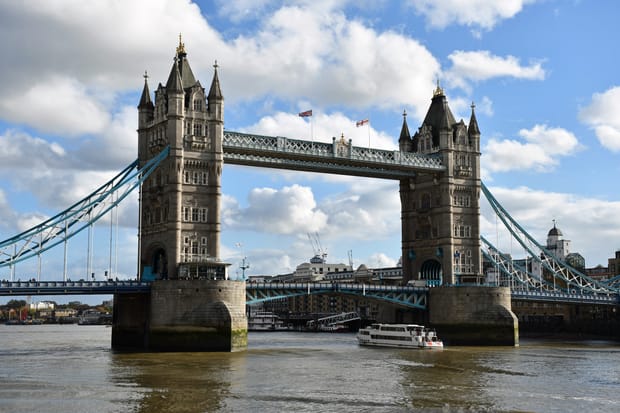
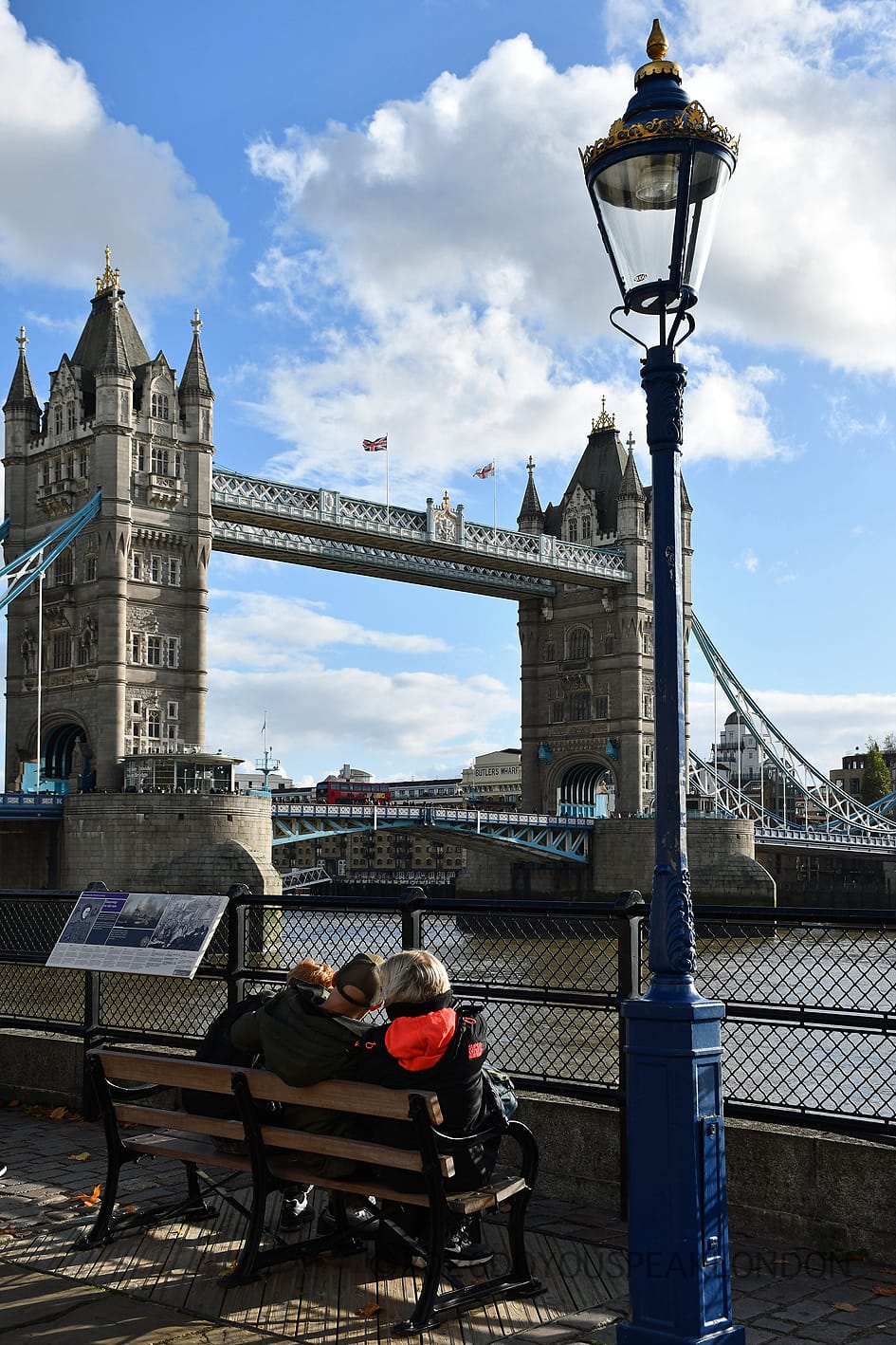
There’s a moment when Tower Bridge stops being a postcard and becomes something truly impressive. You’ve seen it countless times: in photos, on souvenirs, on screen, yet standing beneath it still takes you by surprise.
What struck me most wasn’t its size or its history, but the fact that you can actually go inside. And that’s where Tower Bridge truly comes to life!
Today, DOYOUSPEAKLONDON takes you inside one of London’s most iconic (and often underestimated) landmarks.
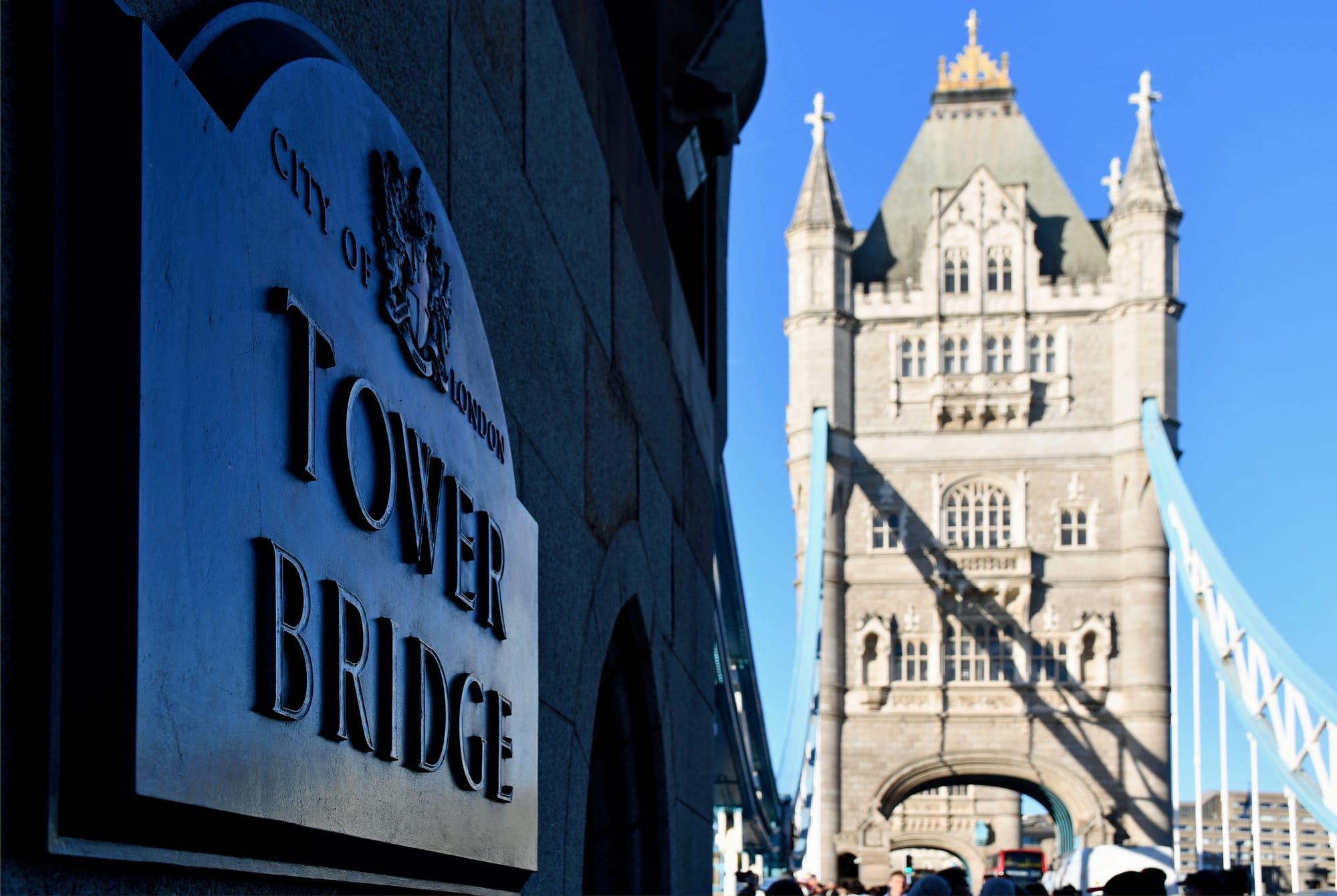
The History behind Tower Bridge
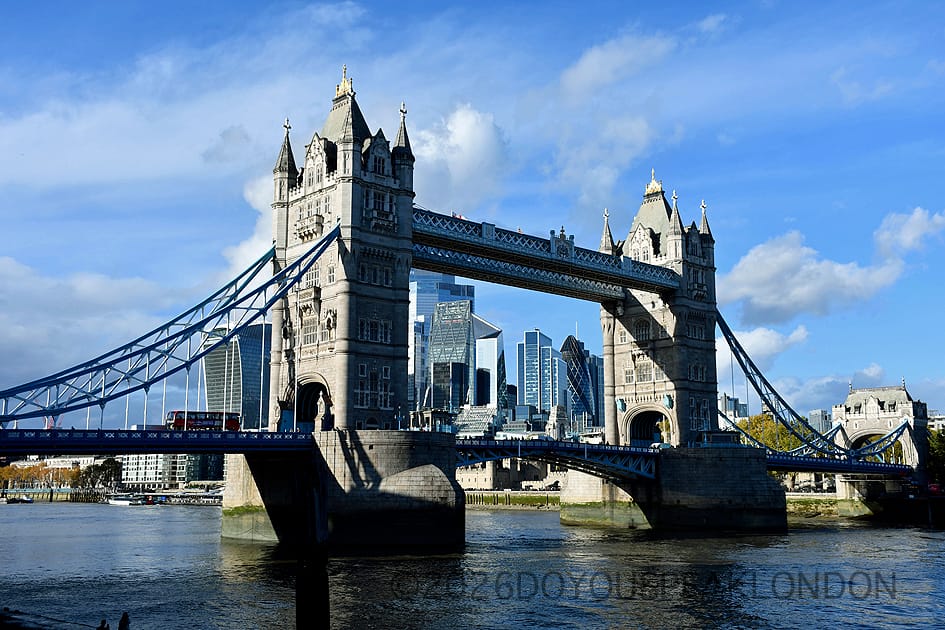
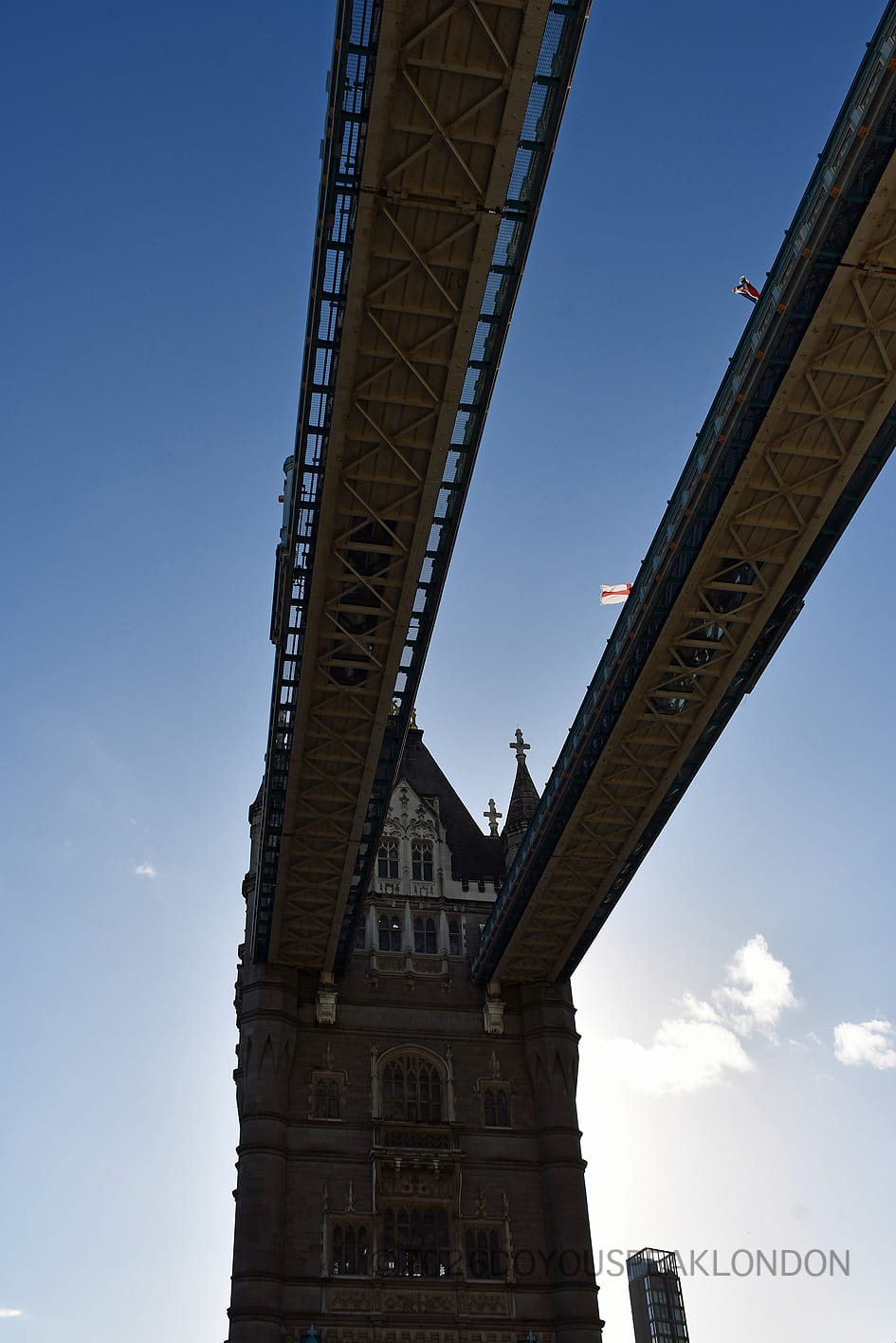
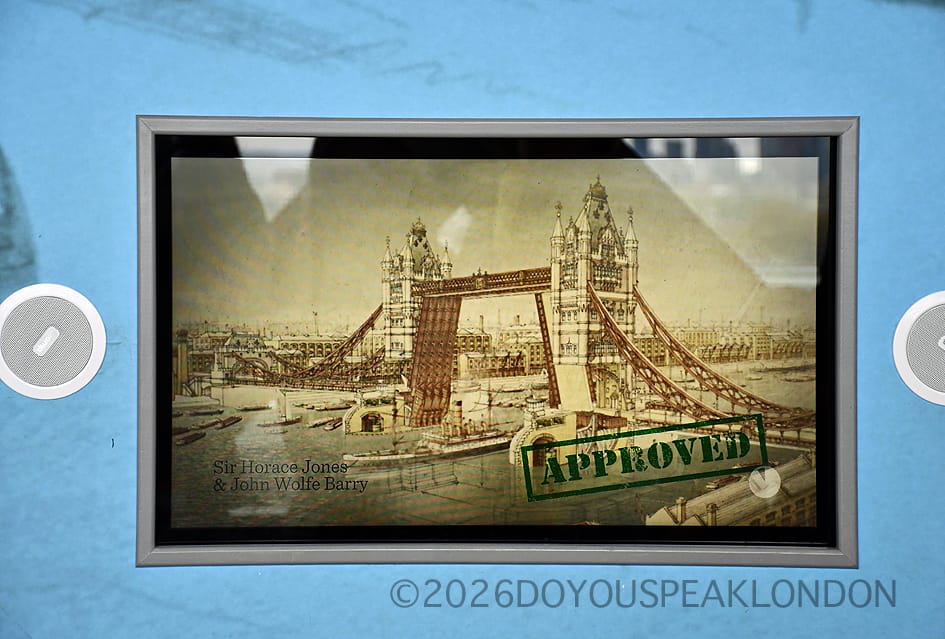
Tower Bridge is a Victorian bascule bridge spanning the River Thames, completed in 1894 after eight years of construction, 432 workers, and an extraordinary engineering feat over one of the busiest waterways in the world.
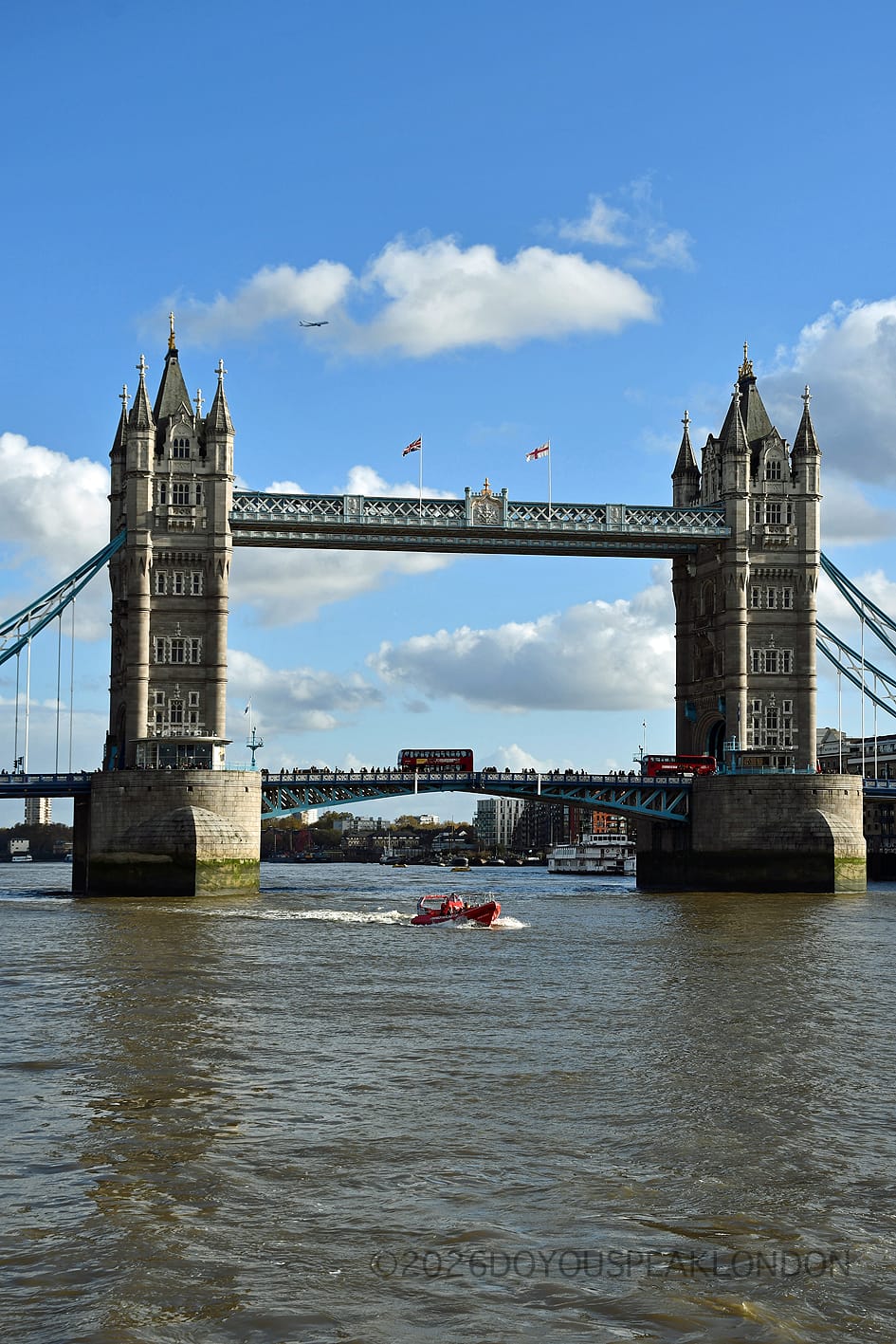
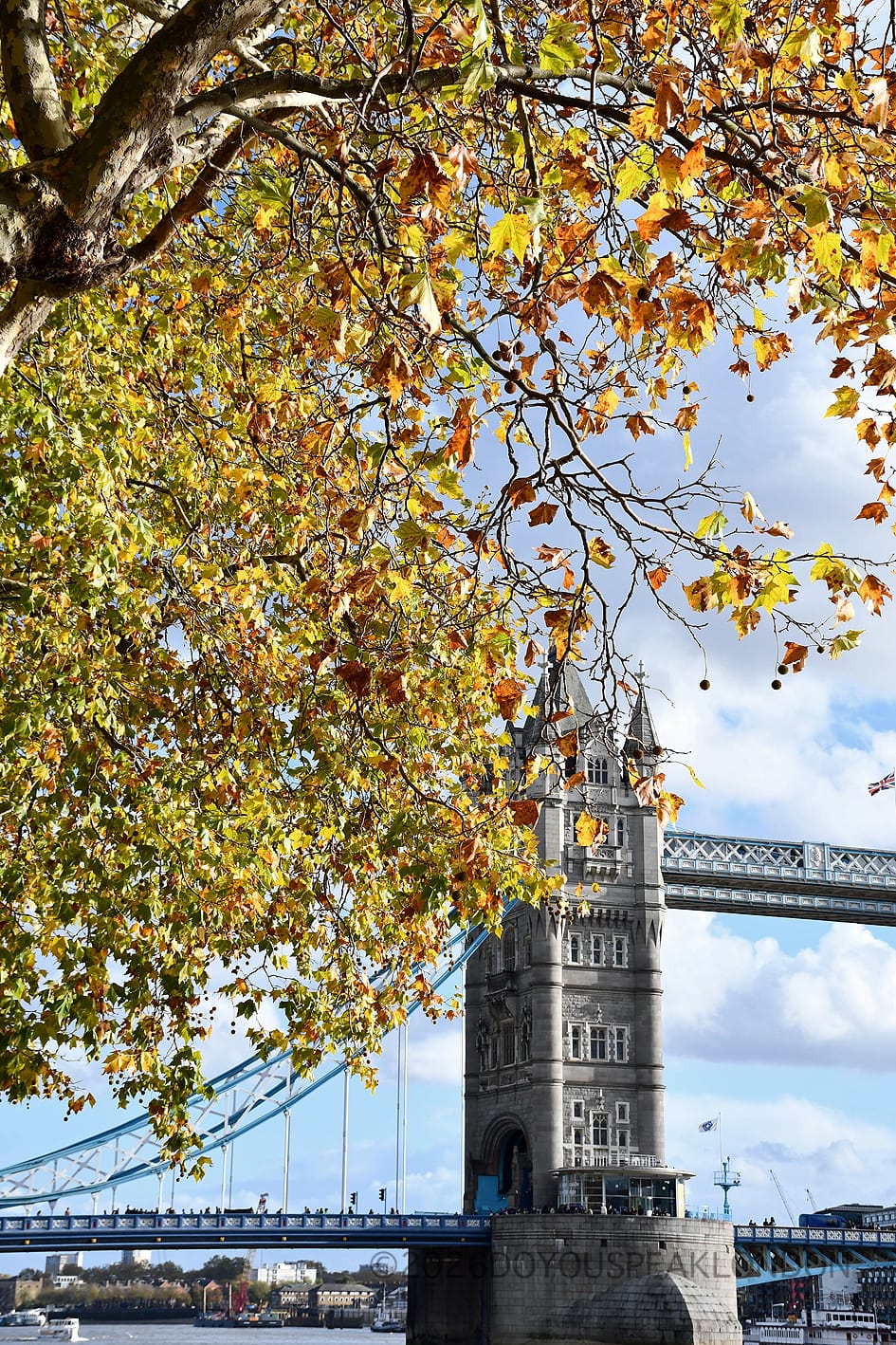
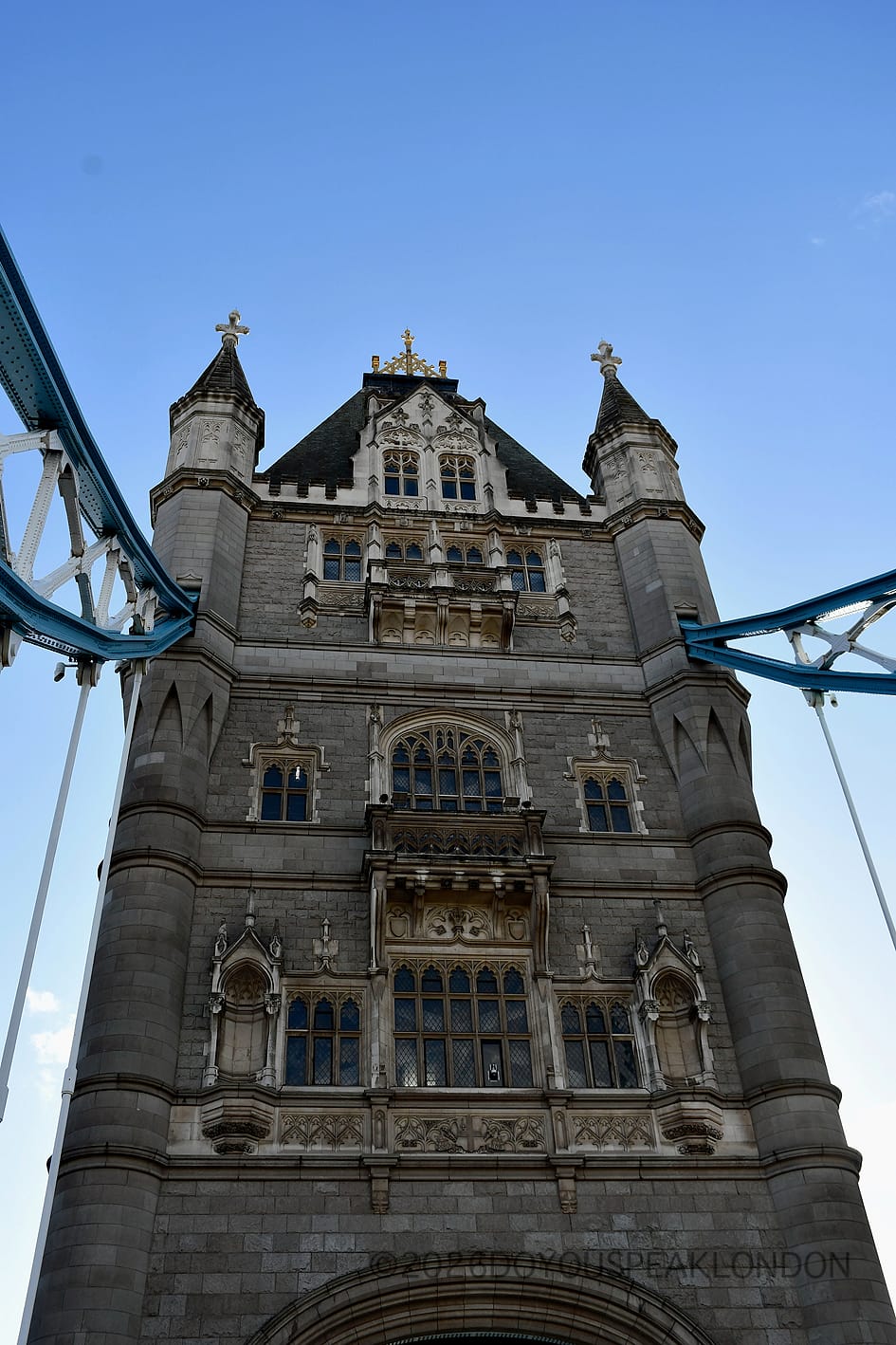
The bridge was designed by architect Sir Horace Jones and civil engineer Sir John Wolfe Barry. Its distinctive Gothic towers aren't just decorative, they house the machinery that made the whole thing move!
What most people don’t realise is that Tower Bridge was originally powered by steam. Inside the Victorian Engine Rooms, coal-fired boilers and hydraulic accumulators once raised the bascules in just 60 seconds. Stokers burned more than 20 tonnes of coal a week to keep it running!
The system remained in use until 1976, when electricity finally took over.
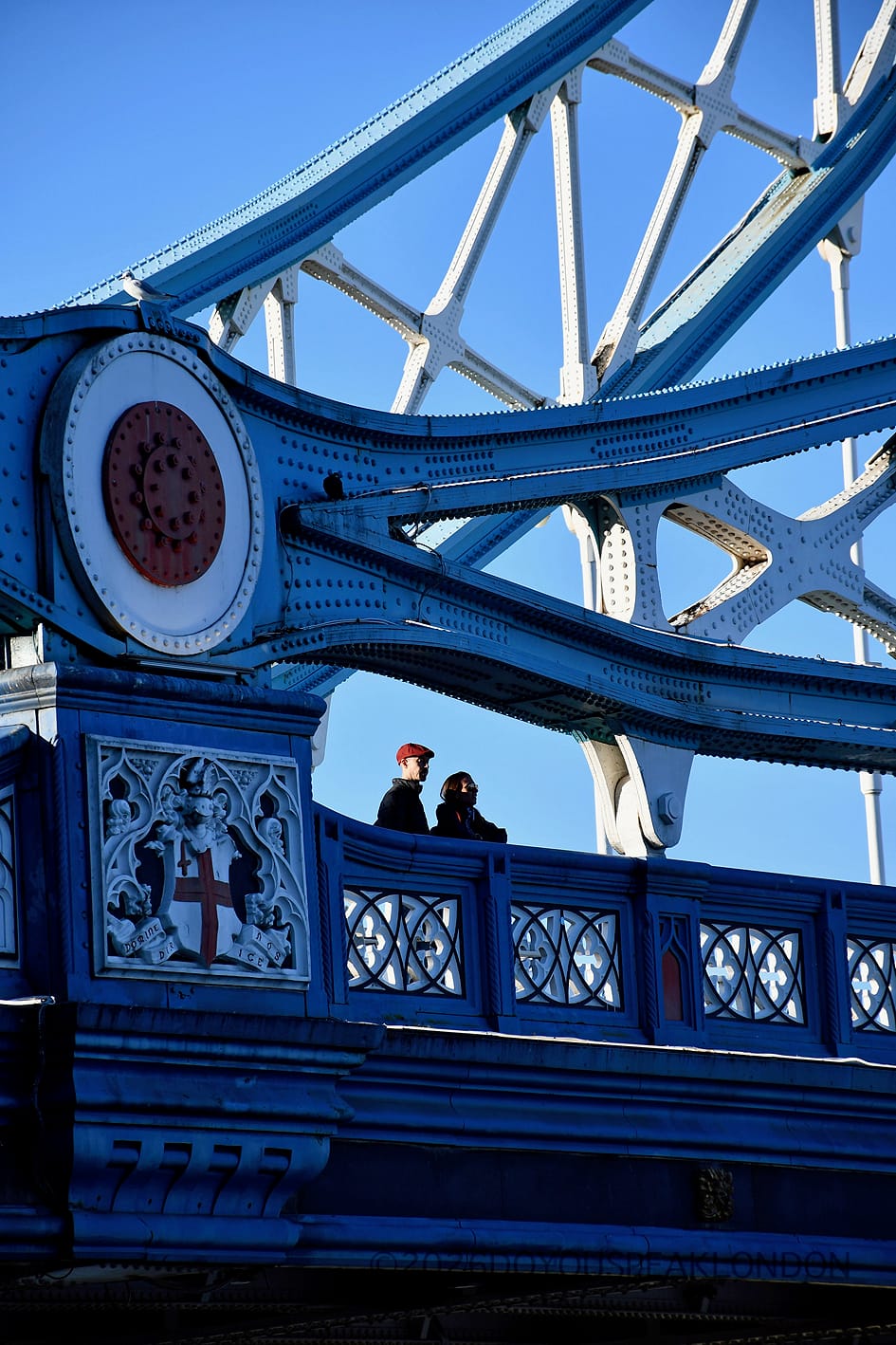
The high-level walkways, linking the two towers, have their own quiet history too. Opened with the bridge in 1894, they were closed in 1910 after pedestrians realised it was easier to wait at road level than climb the stairs. They eventually reopened in 1982 as part of the visitor experience.
What makes Tower Bridge special to visit
Visiting Tower Bridge is a proper experience. Your route takes you through the North Tower, across both high-level walkways, down through the South Tower, along the Blue Line, and into the Victorian Engine Rooms.
There are details and context all the way through, giving the visit a clear sense of flow.
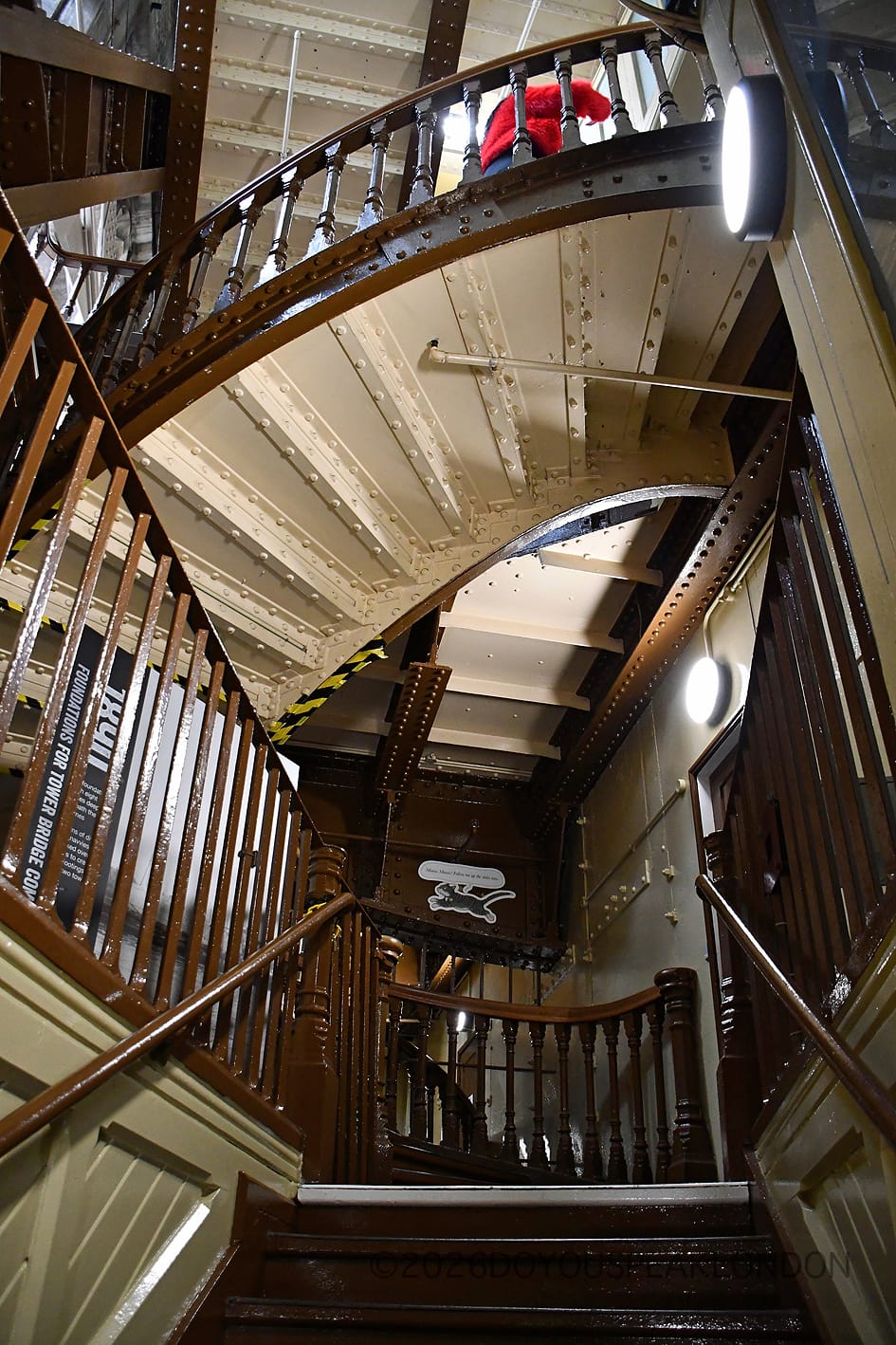
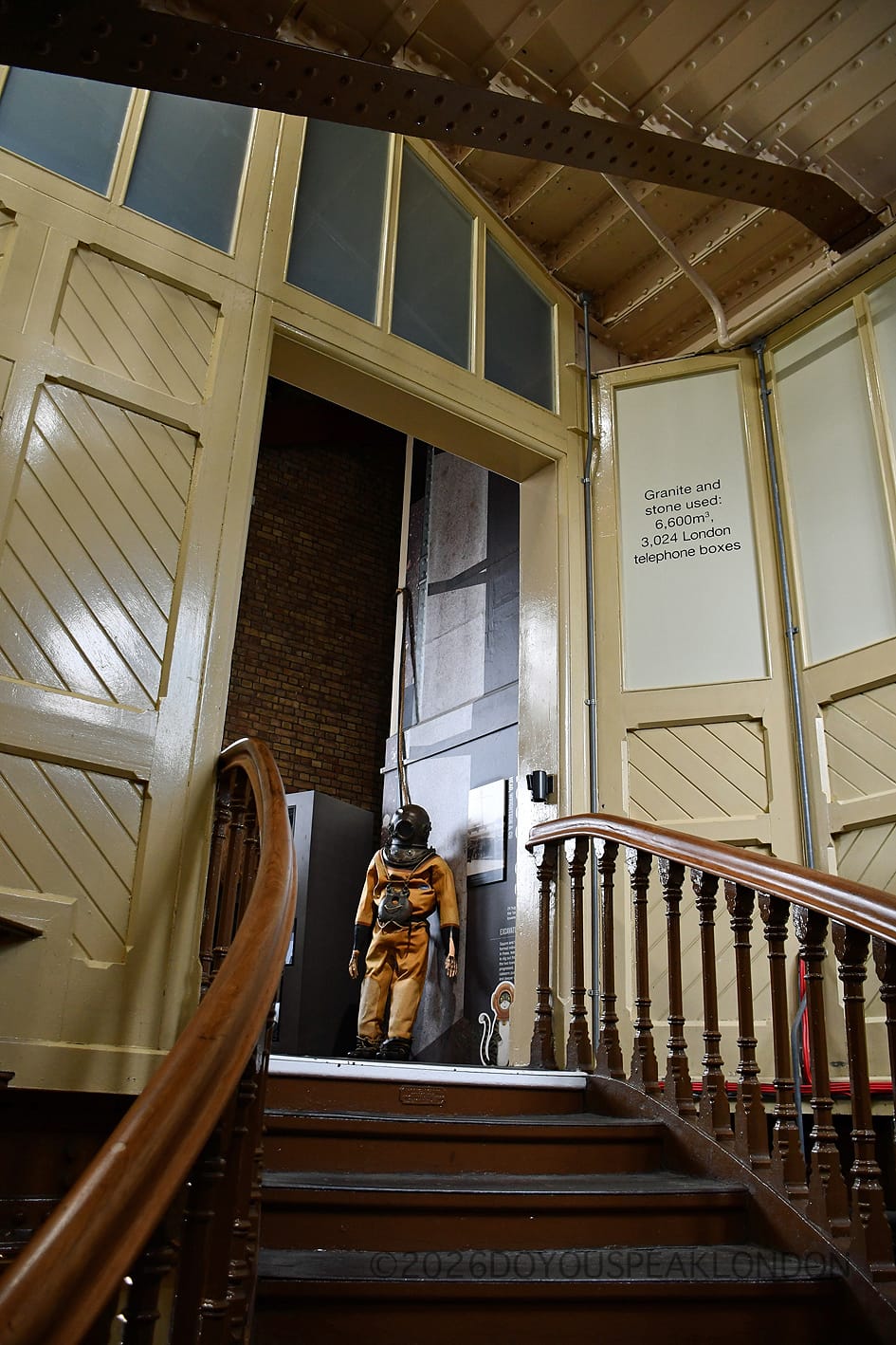
The high-level walkways are the highlight for most people.
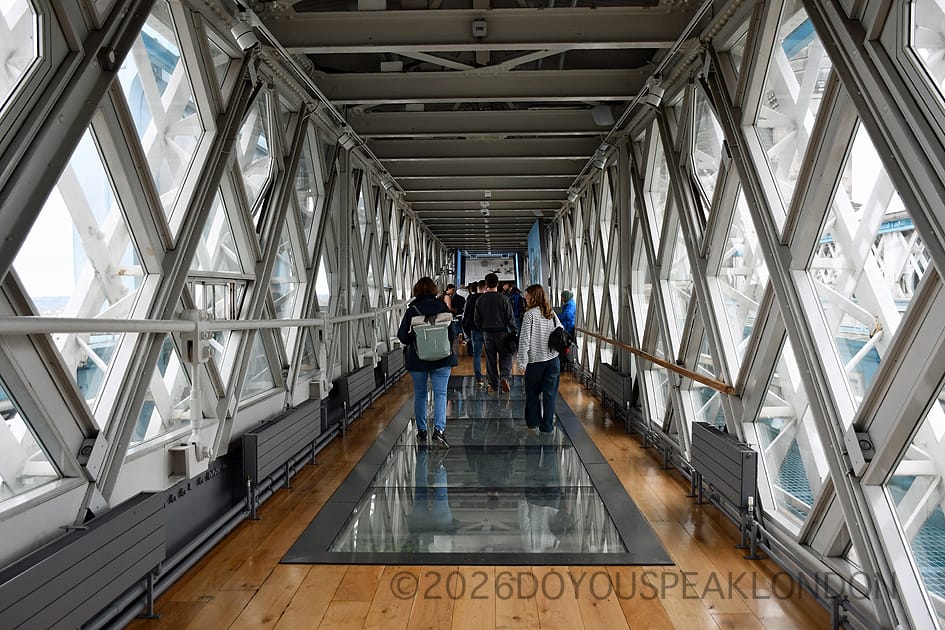
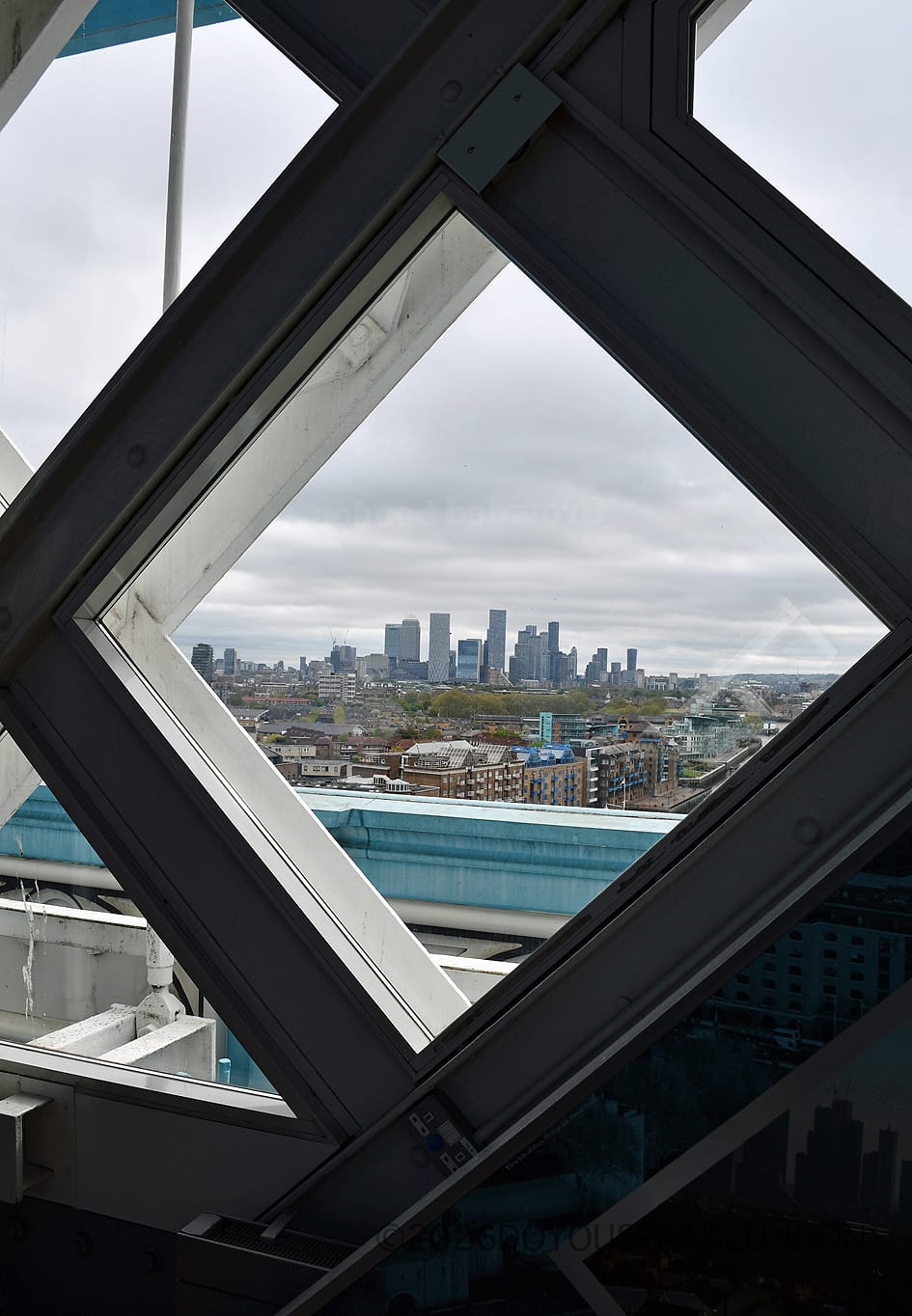
Stretching 70 metres between the two towers at 43.5 metres above the Thames at high tide, the views are genuinely panoramic.
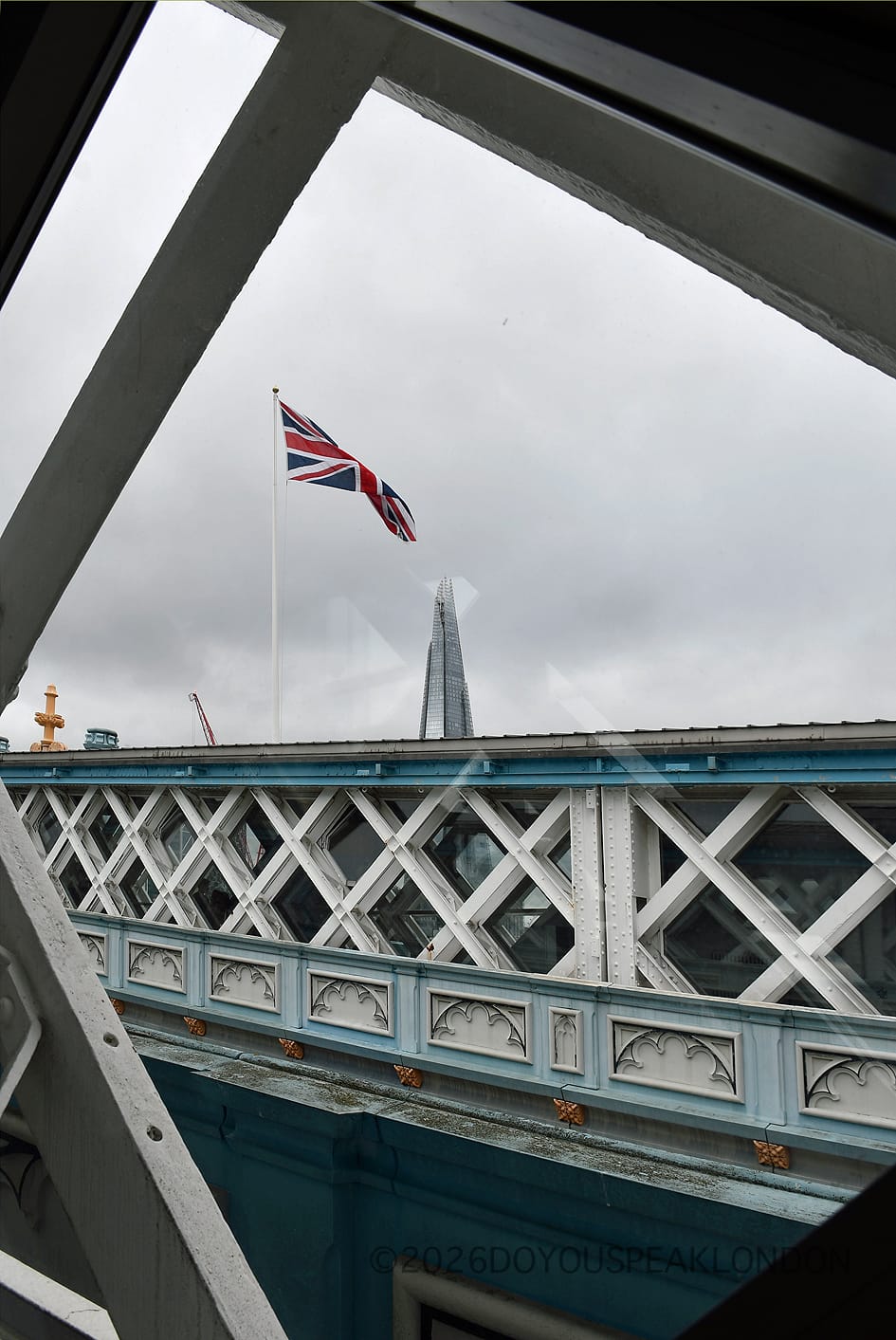
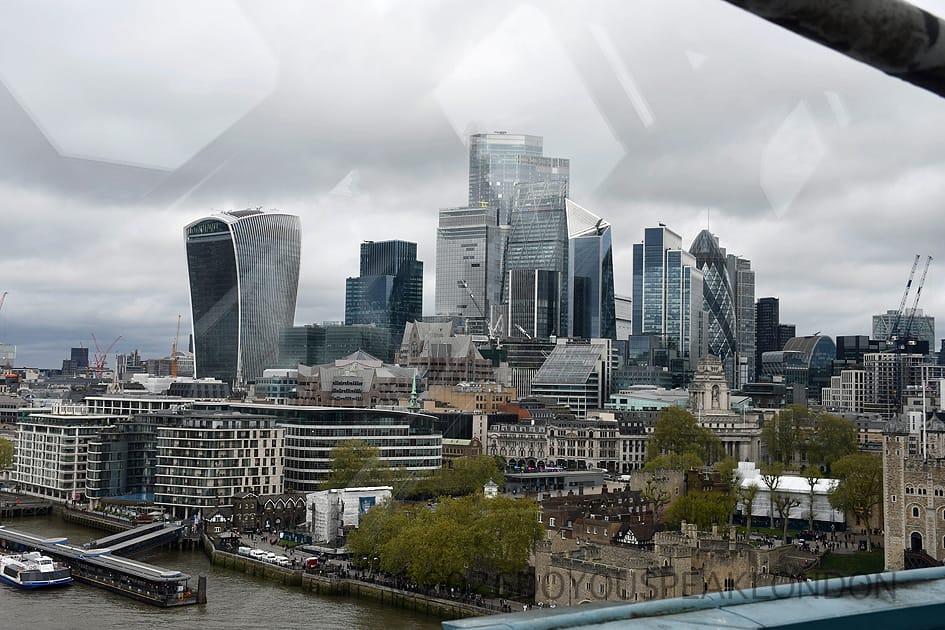
To the west you will see St Paul's Cathedral, the Shard, the Walkie Talkie, the Gherkin.
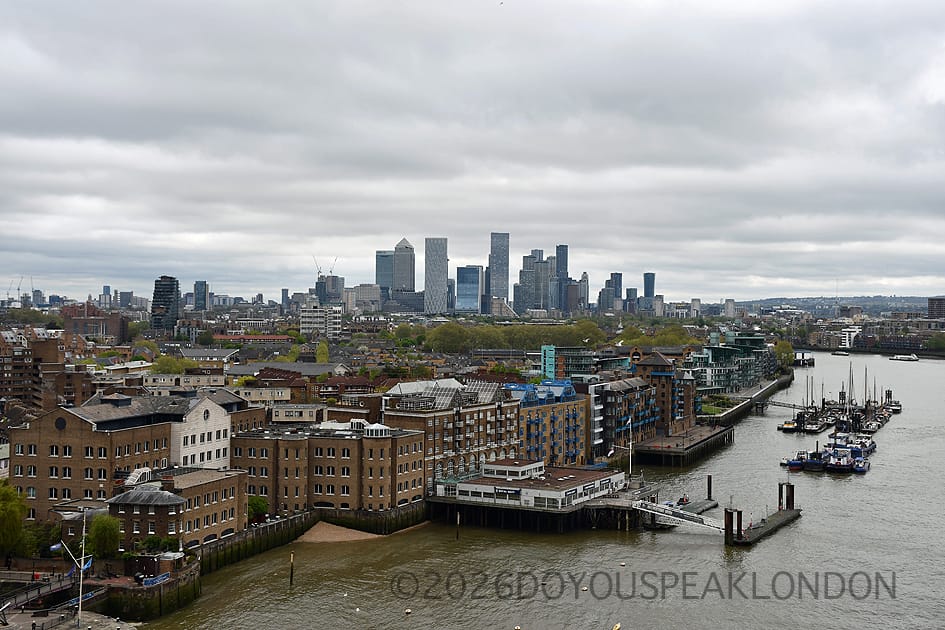
To the east: Canary Wharf and beyond. Small camera windows in the walkways help you get the shot without fighting reflections.
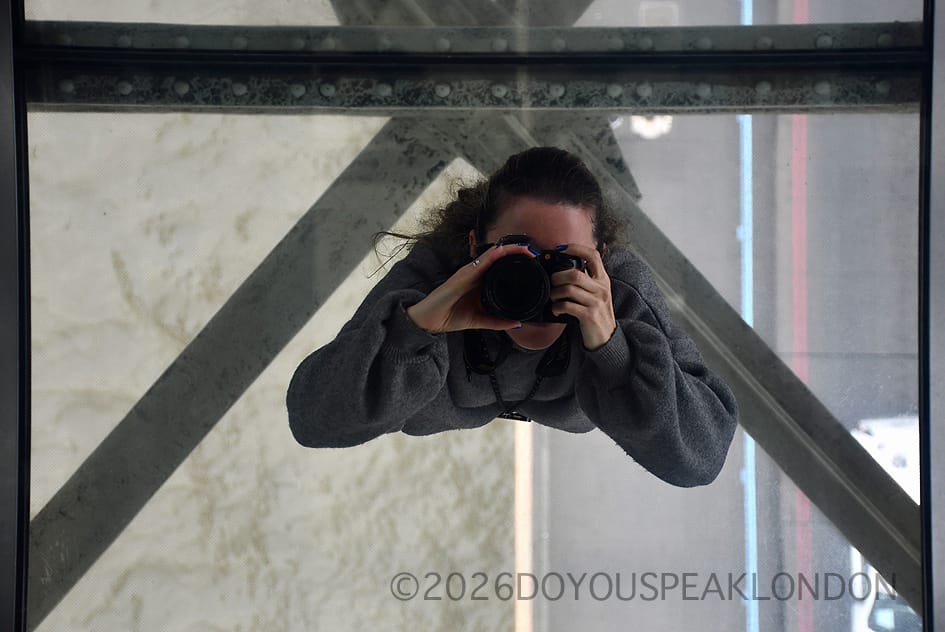
Then there are the glass floors. Installed in 2014, they sit 33.5 metres above road level and give you a completely unobstructed view straight down to the traffic and river below.
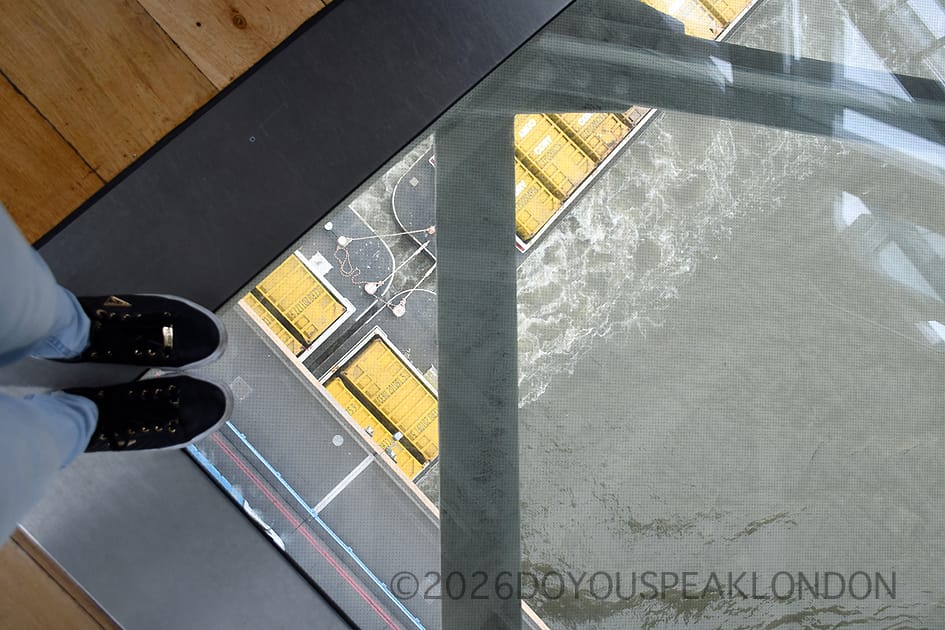
Each panel can bear the weight of one elephant (or two London black cabs, arguably a more relatable London unit!). Some people freeze at the edge. Others lie down on them for the selfie. There is no wrong answer!
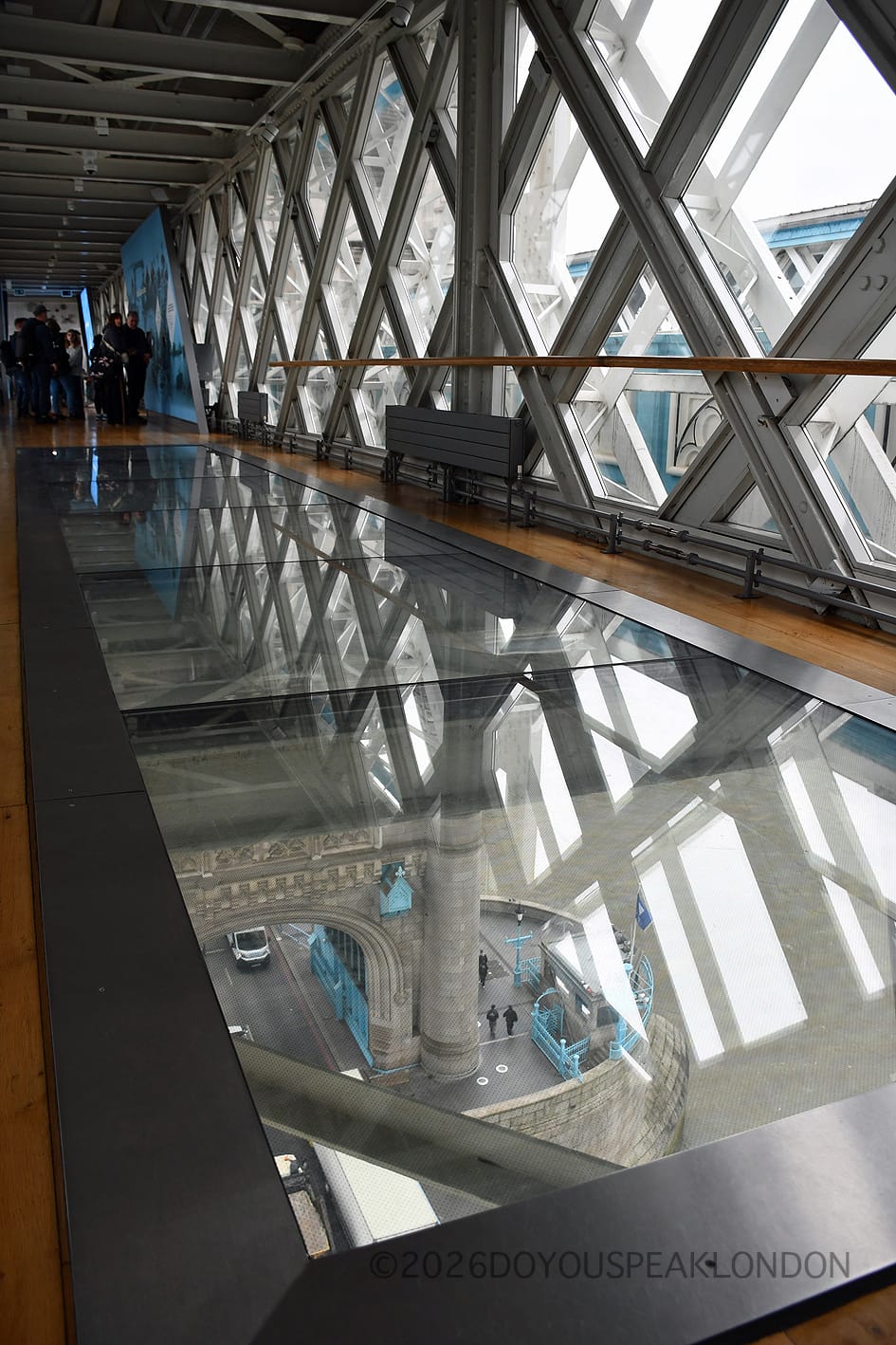
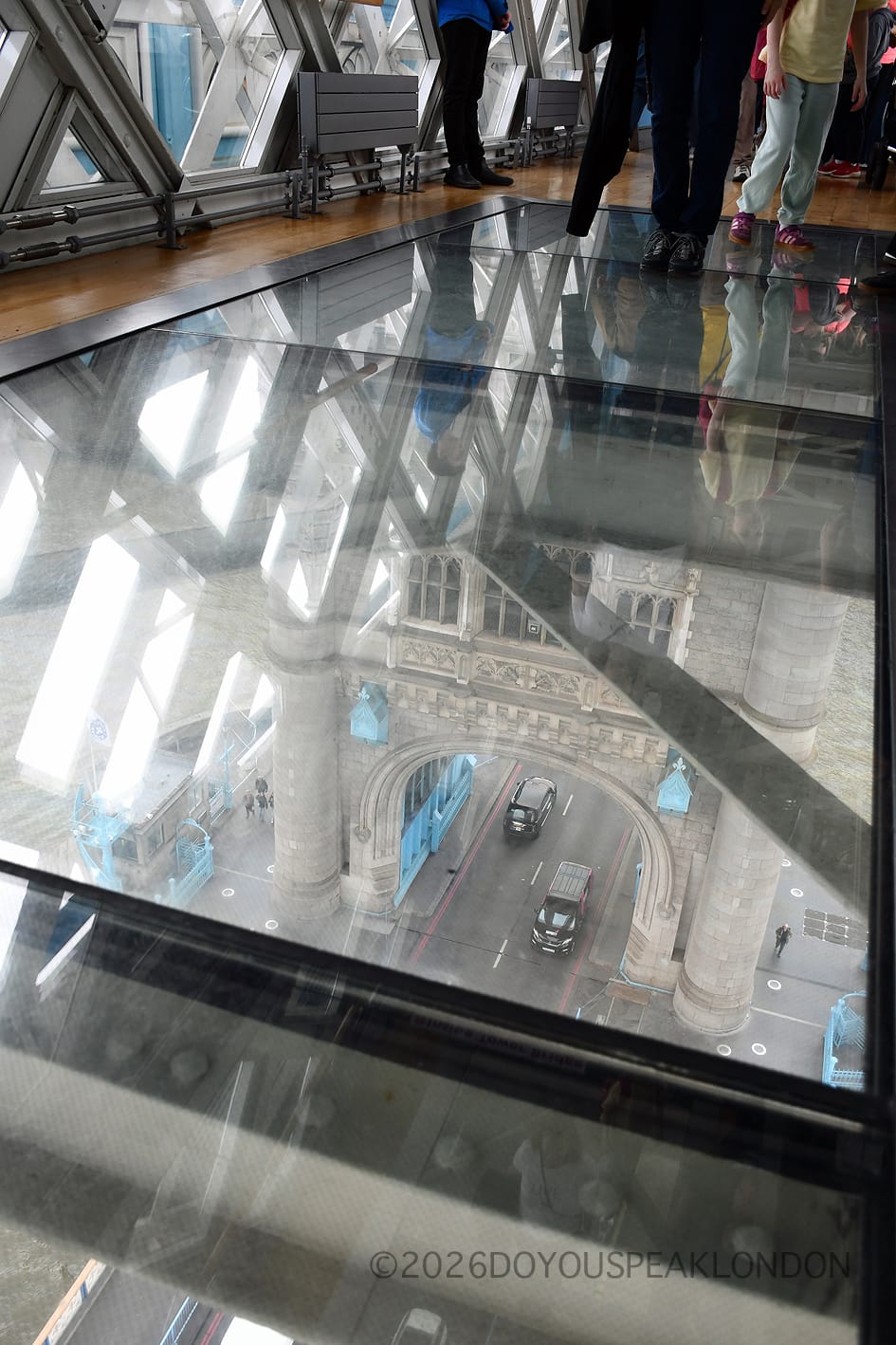
Some people can’t resist showing off a little at this point of the visit...!
I absolutely loved it (even if my fear of heights made it a slightly nerve-wracking at times!).
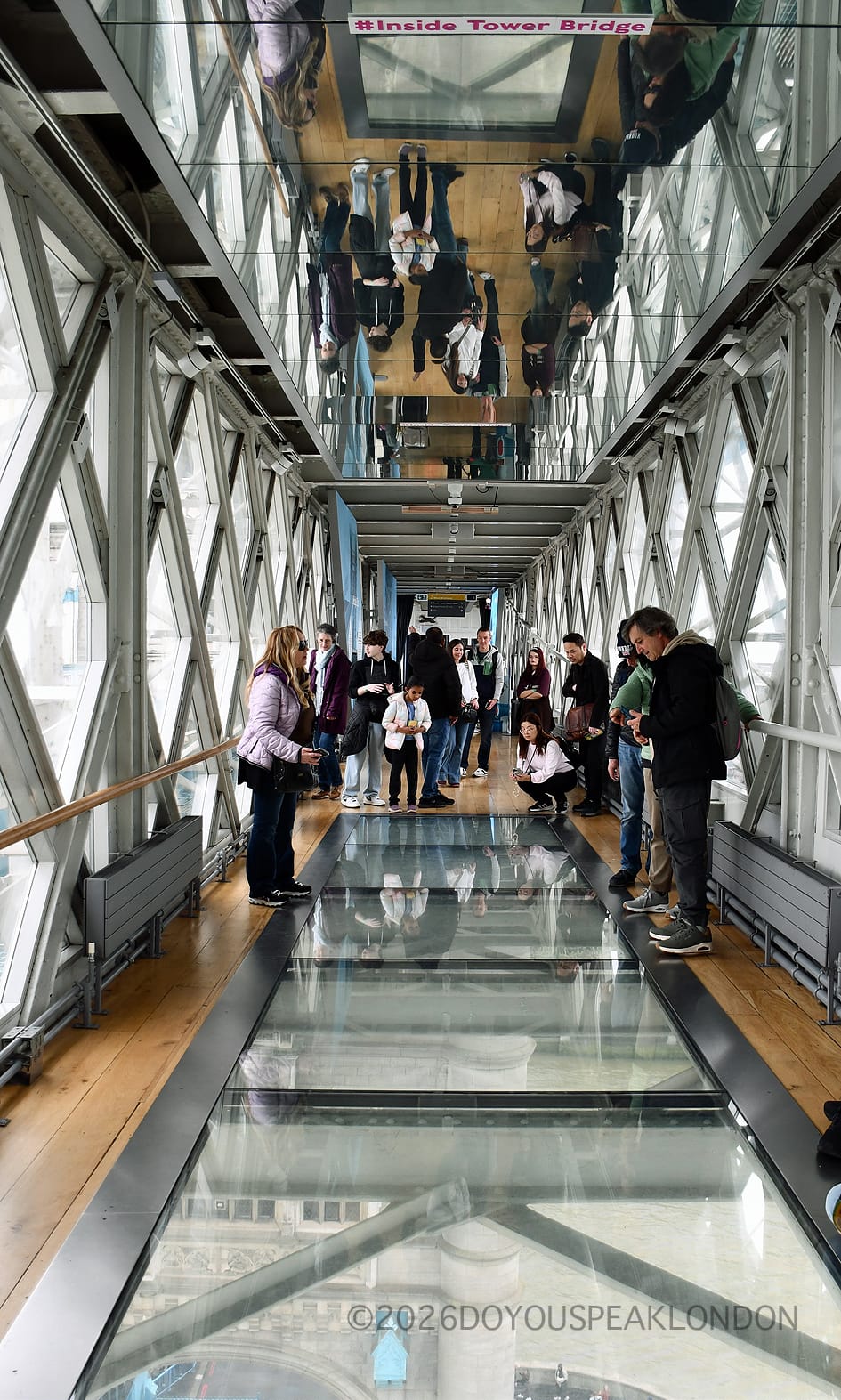
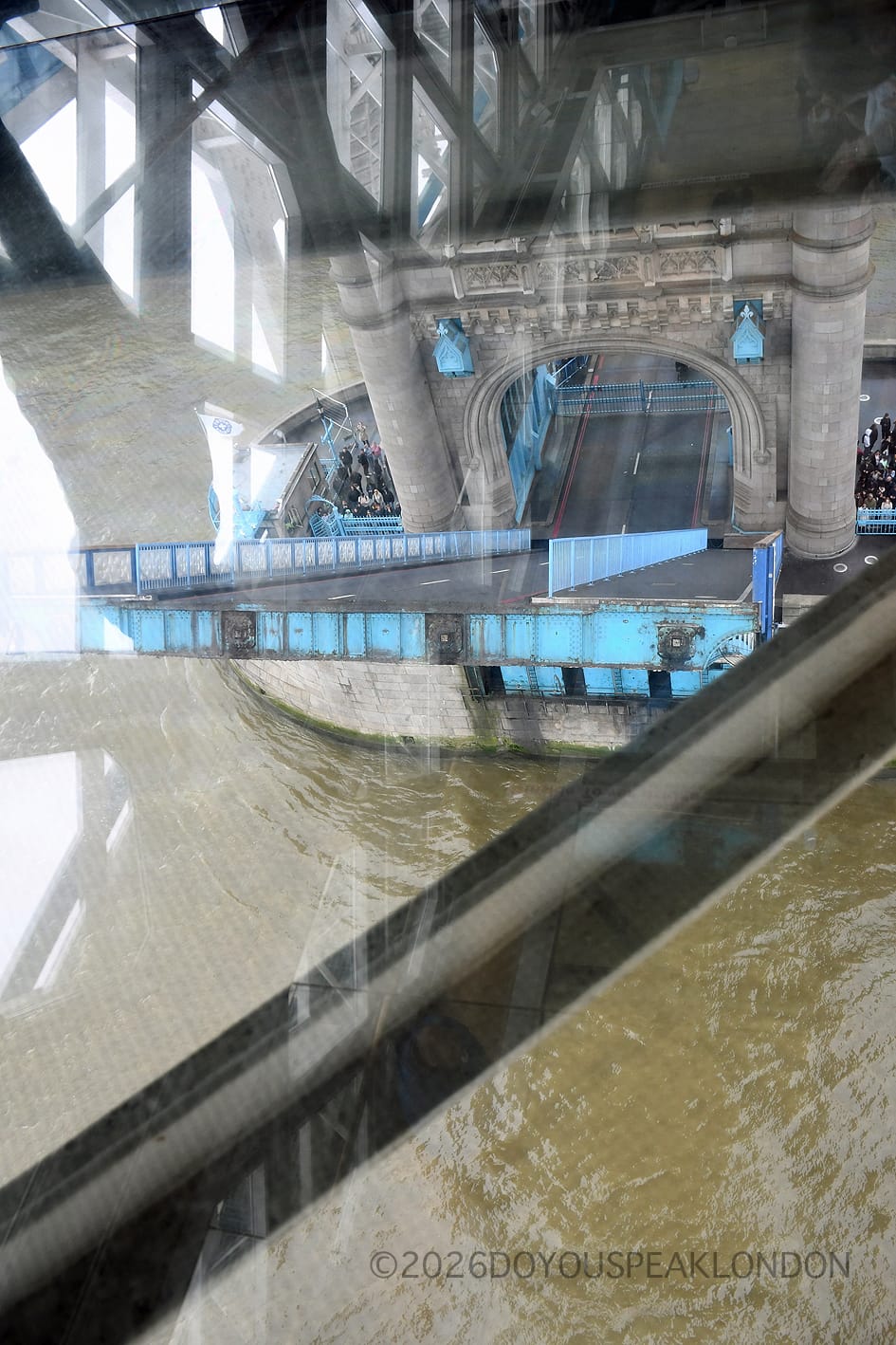
We were so lucky to see Tower Bridge open while we stood above it on the high-level walkways!
The Blue Line is one of the details that really stays with you. Between the South Tower exit and the Engine Rooms, there's a blue line painted on the pavement, set with 80 bronze plaques commemorating the workers who built, maintained, and operated the bridge.
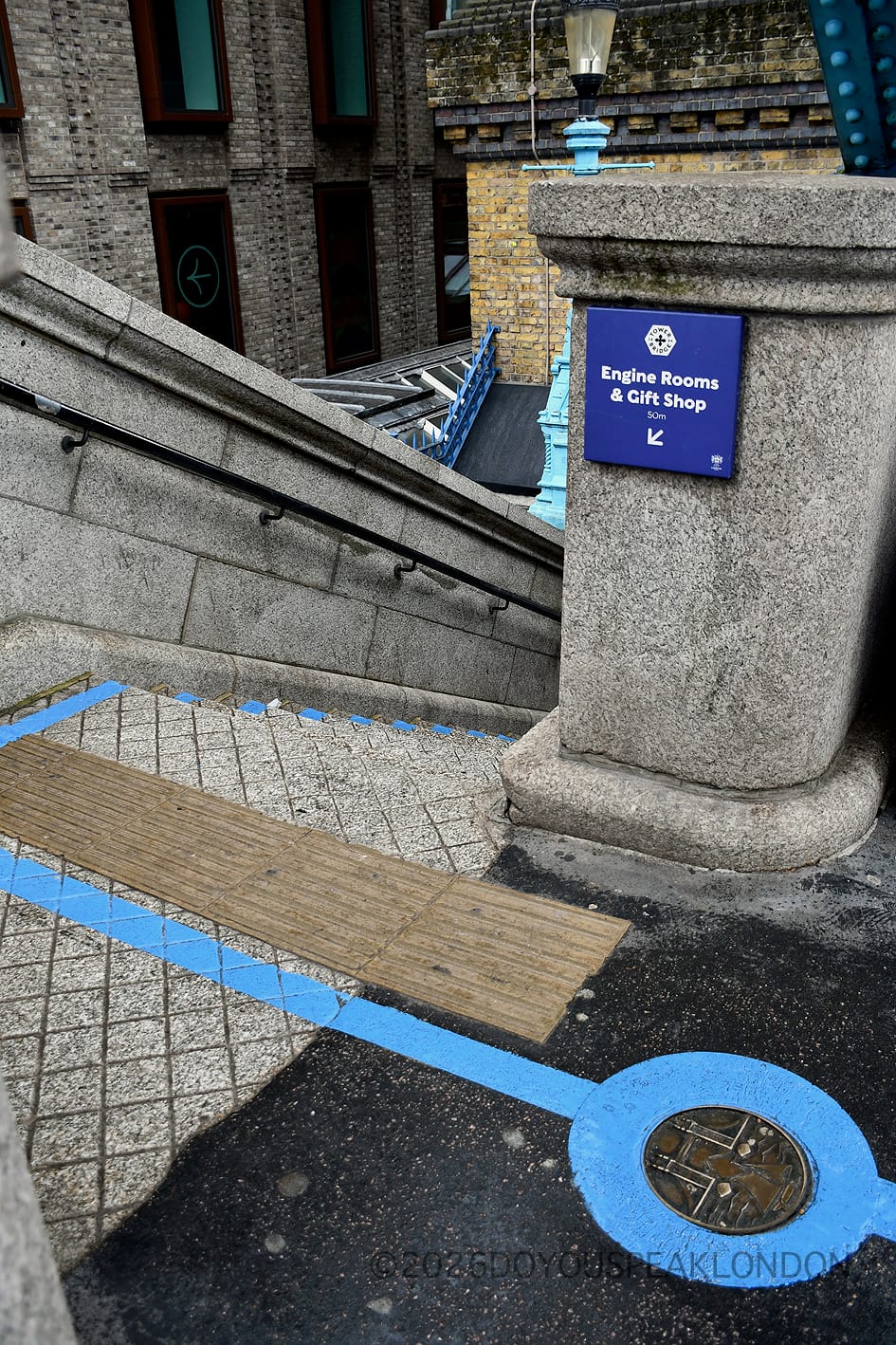
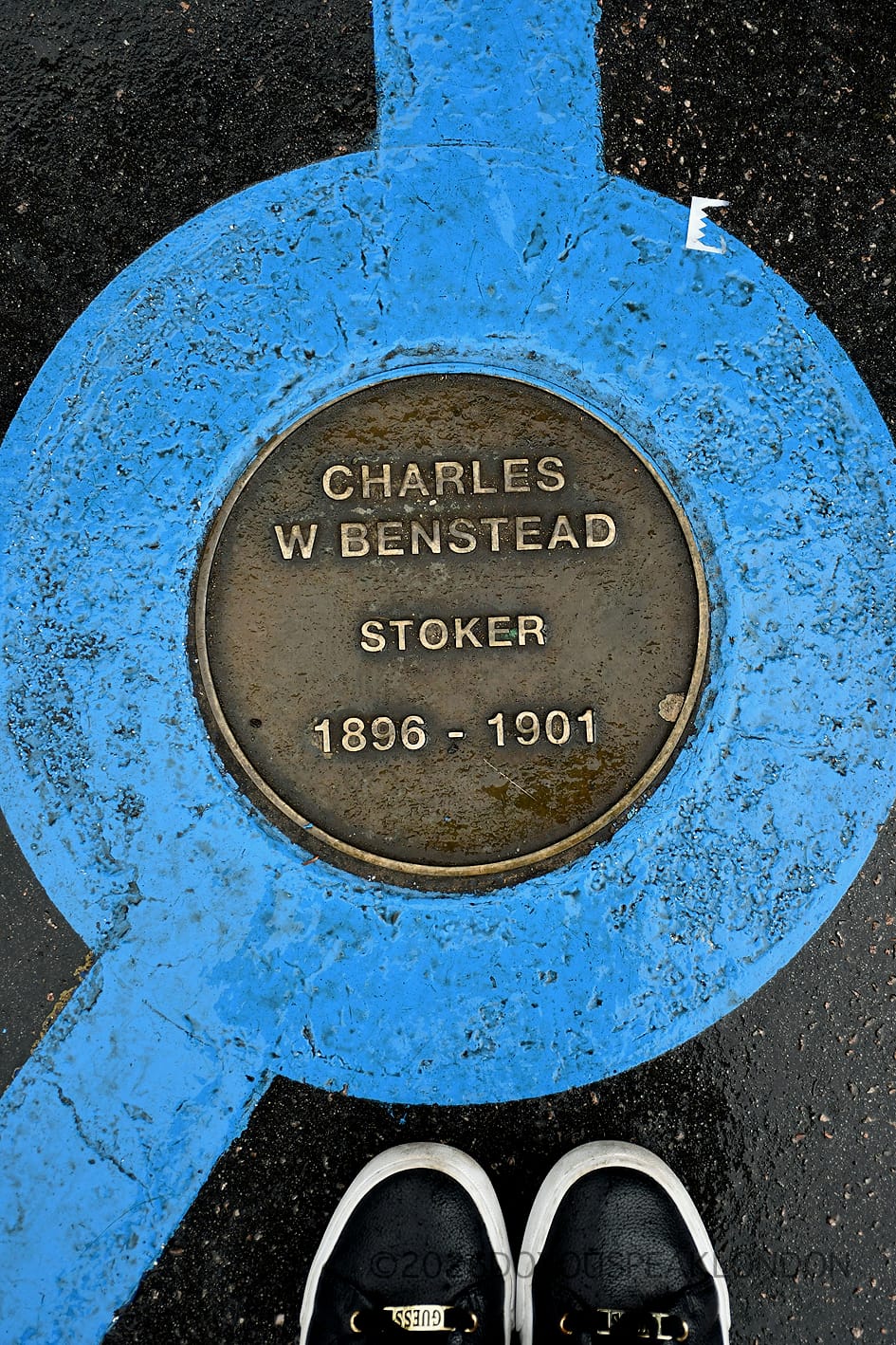
A rivet boy named John Chalk who started aged 14. A cook named Hannah Griggs. A charge hand, a signalman, a plater. Plaques designed by local school students, cast at a London foundry, embedded in the ground since 2016.
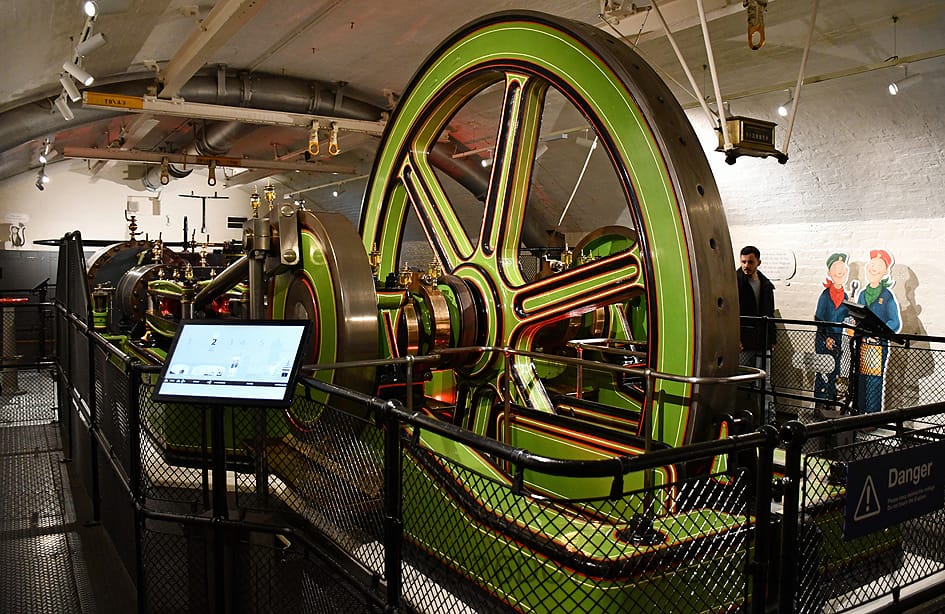
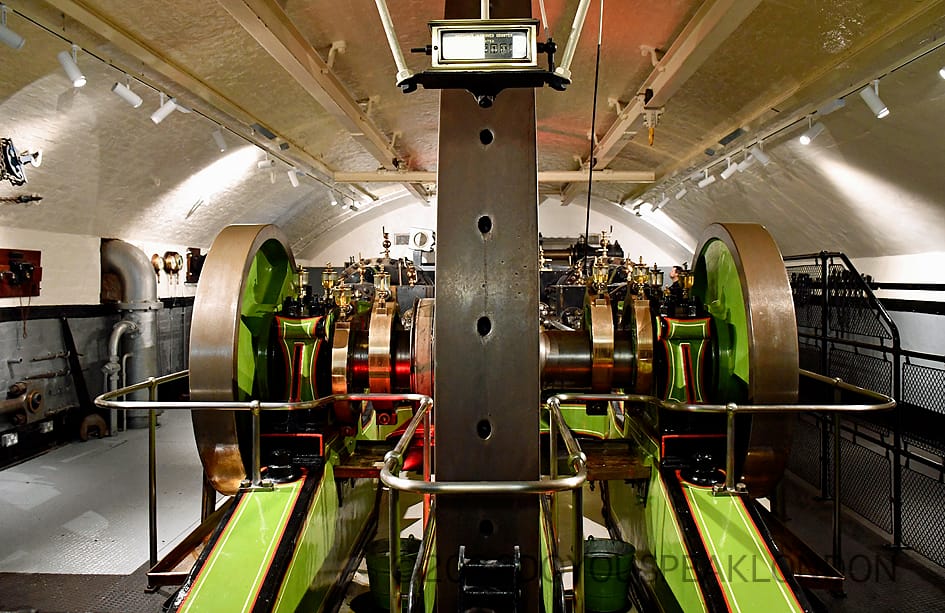
The Victorian Engine Rooms complete the visit. The original steam engines, coal-fired boilers, drivetrains and accumulators are all still here, preserved, immaculate, and enormous!
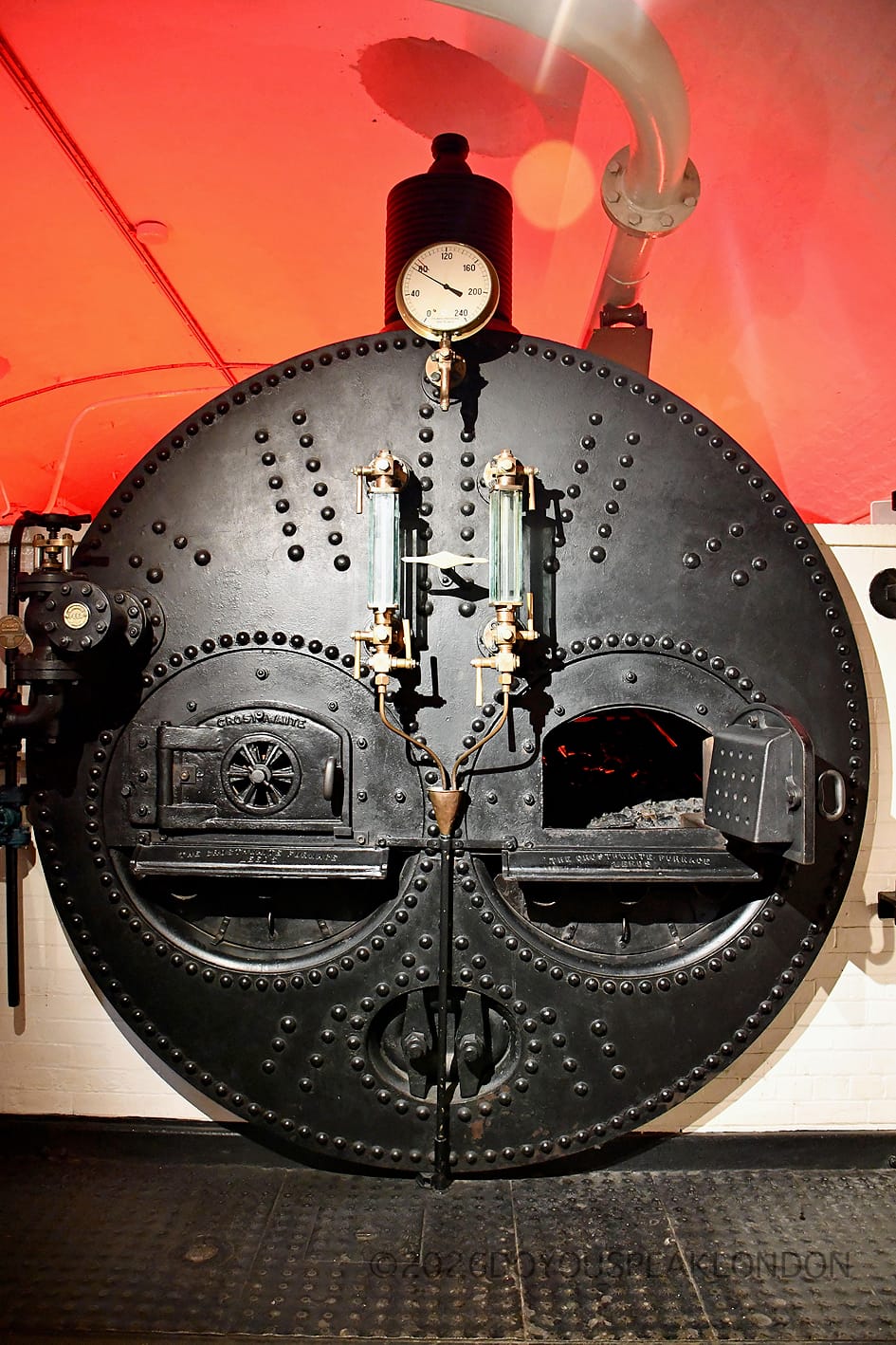
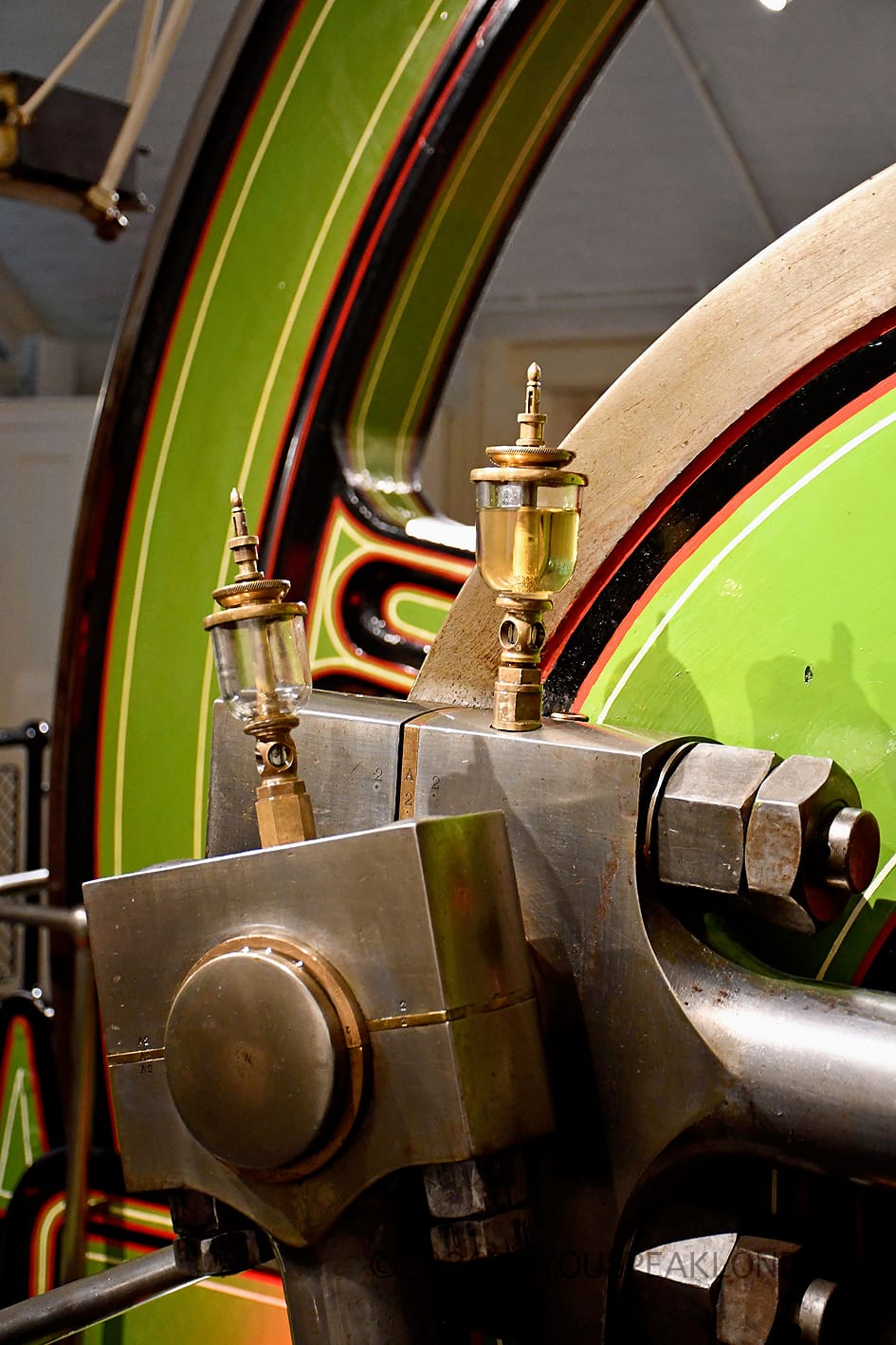
Interactive displays explain how the hydraulics worked. Films and oral histories bring the workers back to life.
Why Tower Bridge deserves more than a quick photo
Most people in London photograph Tower Bridge from the riverbank and move on, which is understandable, given its iconic status and striking architecture. But it also means they only experience a fraction of what it offers!
A story of the people who built Tower Bridge
Going inside changes everything. You stop seeing it as a backdrop and start understanding it as a working piece of engineering that people actually lived and worked in for over a century!
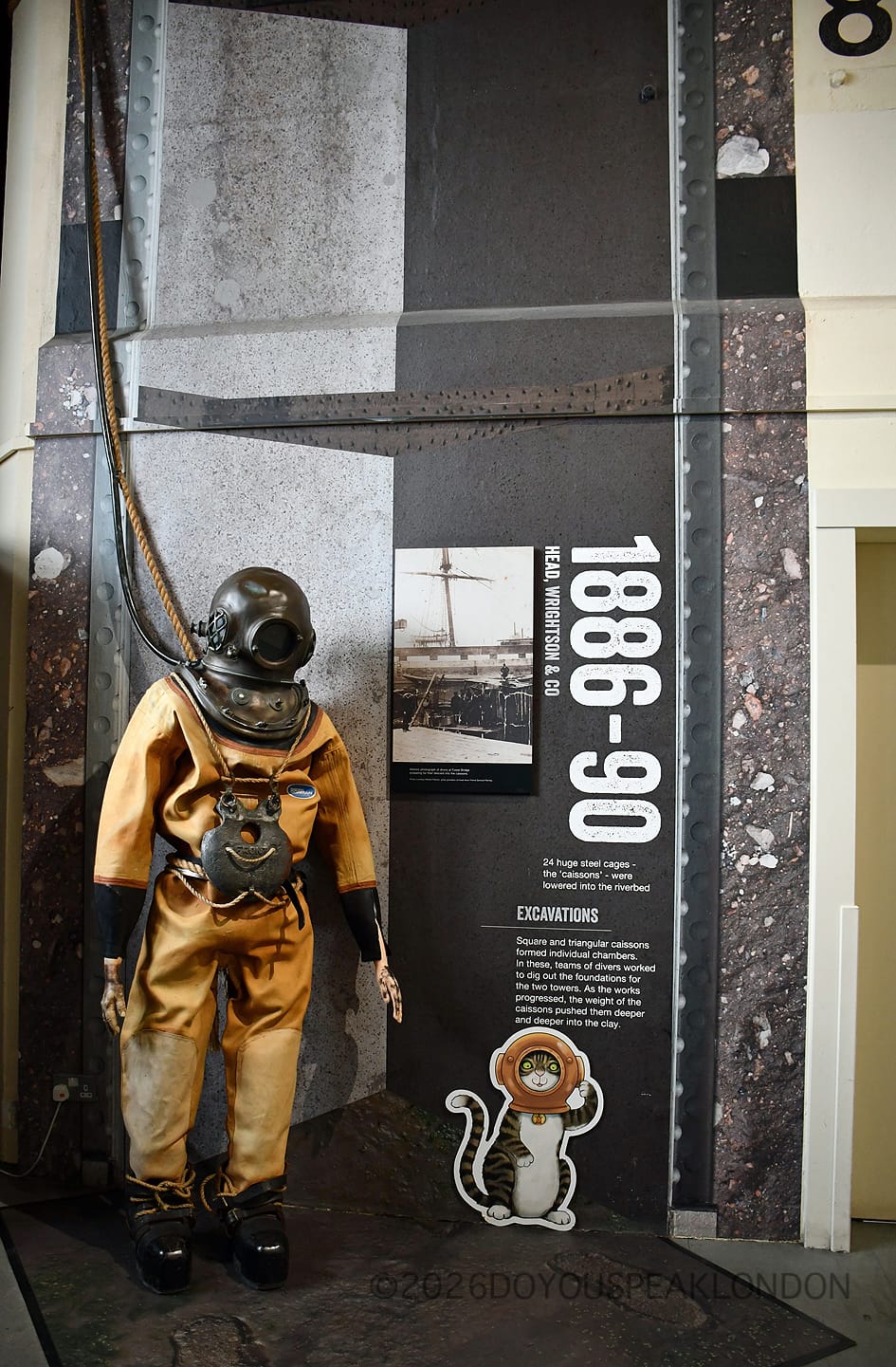
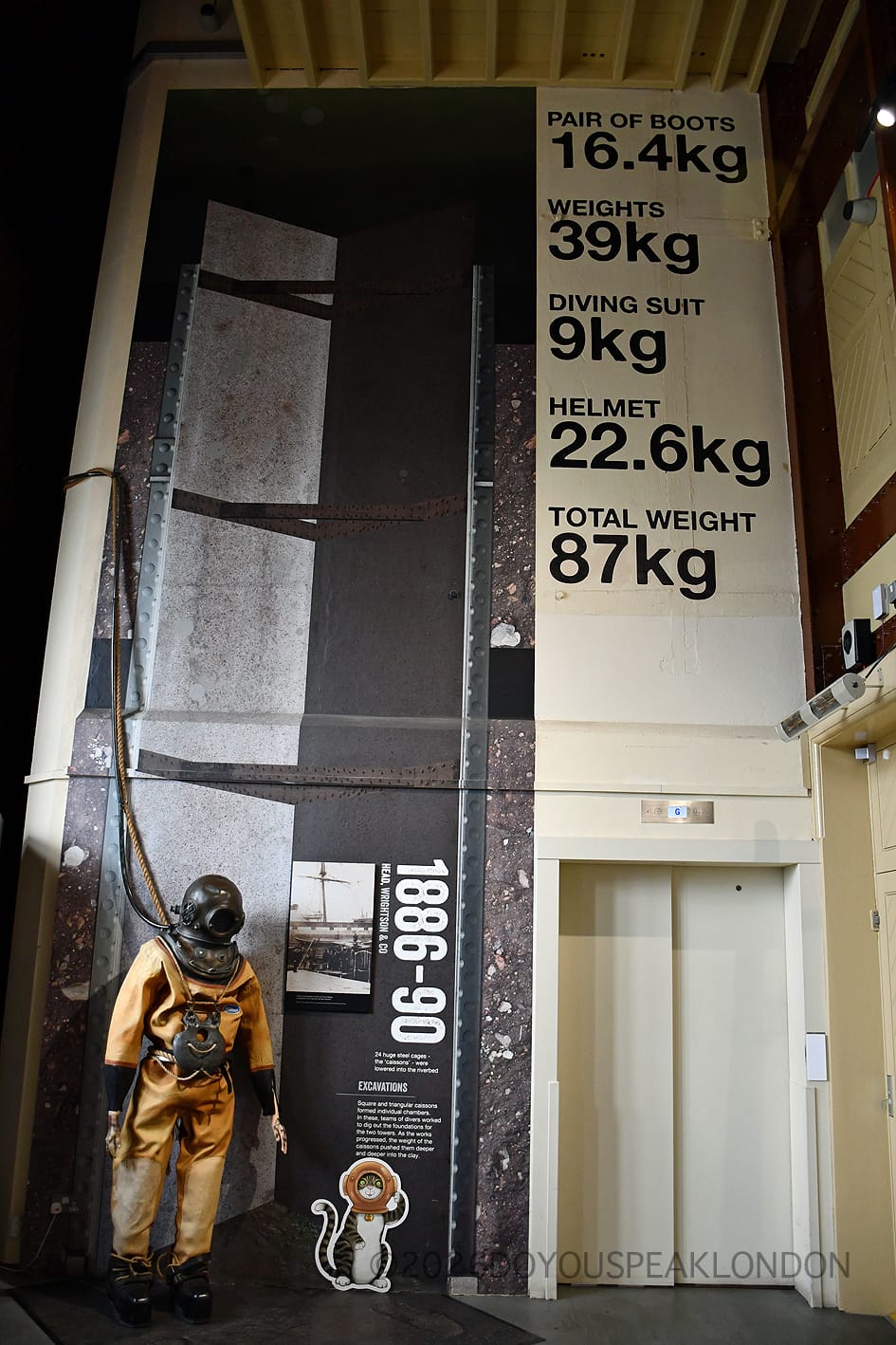
The story goes beyond architecture. It’s also about the workers (stokers, liftmen, engine drivers, cooks, clerks) whose names are now set into bronze along the Blue Line outside. That level of human detail is rare in a landmark of this scale.
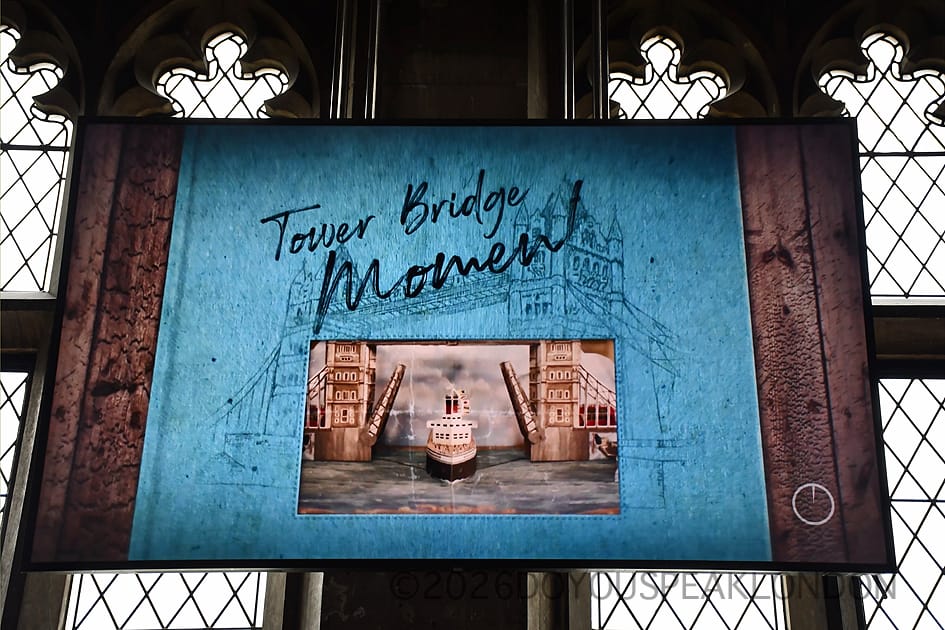
The glass floor: Tower Bridge’s most striking feature
The glass floor is unlike much else in London. You’re suspended above the Thames, a working road bridge, and inside a Victorian Gothic tower all at once. On a clear day, the walkways also offer some of the most striking views in the city.
Watching the bascules rise: Tower Bridge in motion
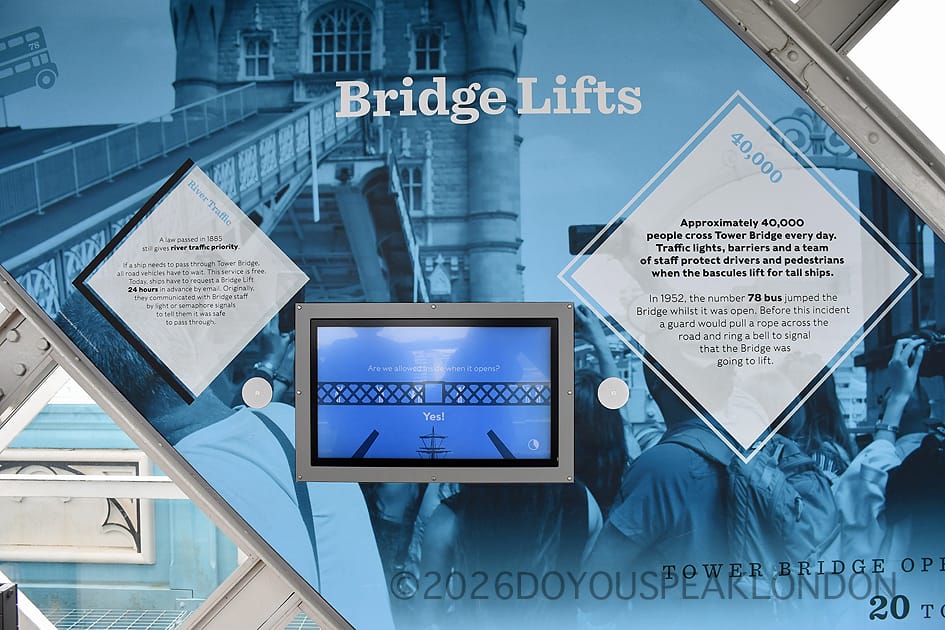
Tower Bridge opens around two to three times a day for river traffic, and you can check the lift schedule online before visiting. Timing it right (watching the bascules rise from above) is something you don’t forget quickly.
Around Tower Bridge: Borough Market, Pubs & riverside walks
Just a short walk from Tower Bridge, the area feels full of life. Around Borough Market, you’ll find riverside paths, The George Inn pub, the irresistible Comptoir Bakery and views of The Shard rising above the skyline. Wander through Stoney Street and the nearby lanes, where food stalls, pubs, and restaurants spill into the streets, all set against the Thames.
Feeling inspired? If you're planning a visit to Tower Bridge, I'd love to hear about your experience on DOYOUSPEAKLONDON!
DISCOVER MORE OF MY LONDON PICKS HERE!
FOLLOW ME ON INSTAGRAM FOR MORE INSPIRATION!
Everything you need to know about Tower Bridge:
Address: Tower Bridge, London SE1 2UP (nearest tube: Tower Hill or London Bridge)
Tickets: Entry to Tower Bridge includes the North and South Towers, High-Level Walkways (including the Glass Floors) and the Victorian Engine Rooms. Concessions available for local residents, disabled visitors, students, and National Rail 2FOR1 cardholders.
Pre-booking online is highly recommended.
Opening hours: Open daily, 09:30 to 18:00. Last entry at 17:00.
Website: www.towerbridge.org.uk
Tower Bridge London | Visit Tower Bridge | Tower Bridge glass floor | Tower Bridge high-level walkways | Tower Bridge Engine Rooms | London landmarks | Things to do in London


