
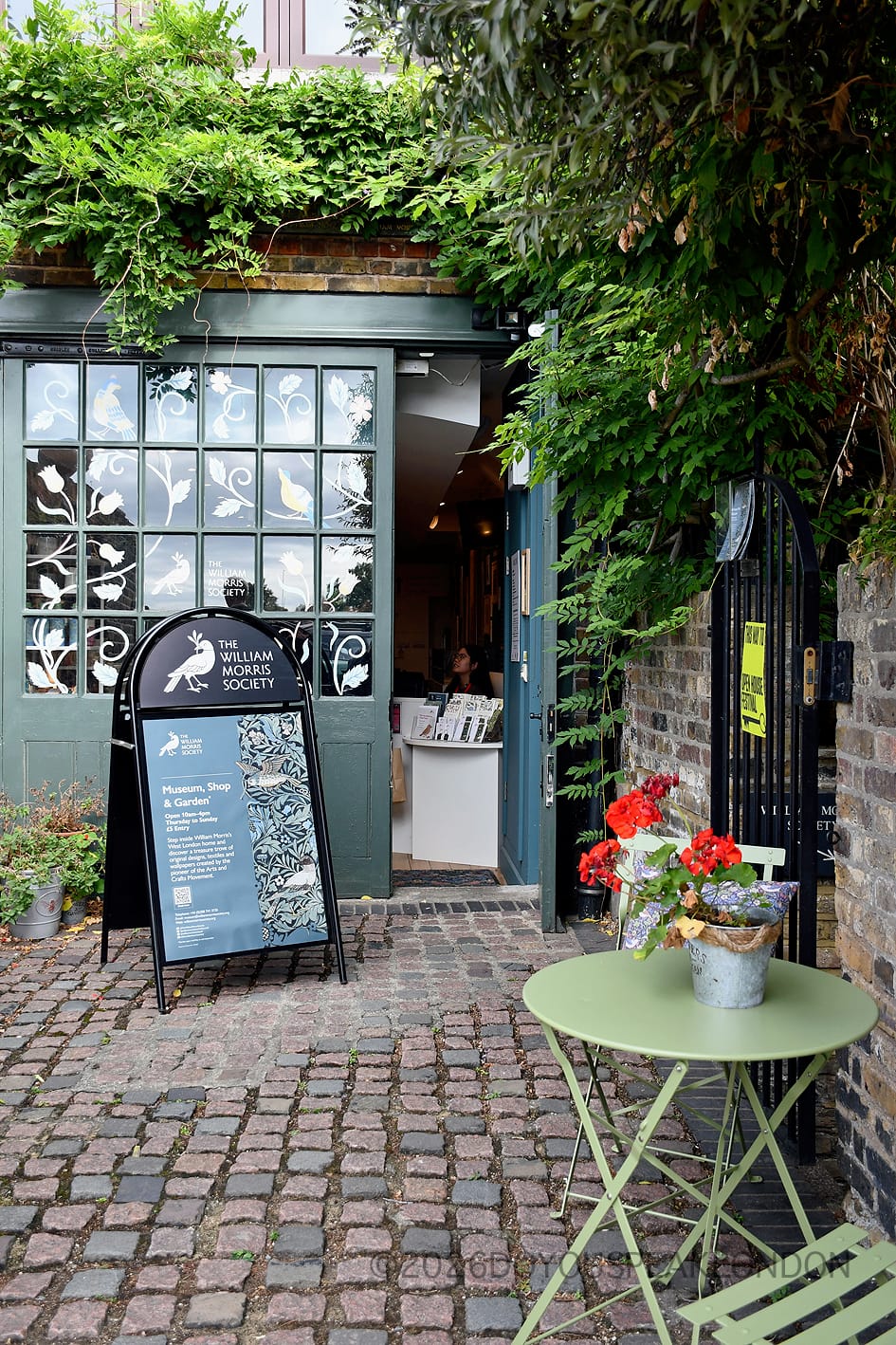
I visited during Open House Festival last week, and I’m almost embarrassed to admit it: I’d walked past this spot on the Thames in Hammersmith several times without ever noticing the William Morris Society behind its unassuming Upper Mall door!
What I found inside was so much more interesting than I expected: part house museum, part working print studio, part time capsule of one of Britain's most fascinating creative minds!
Today, DOYOUSPEAKLONDON brings you to Kelmscott House, home of the William Morris Society in Hammersmith.
What is the William Morris Society? History of Kelmscott House
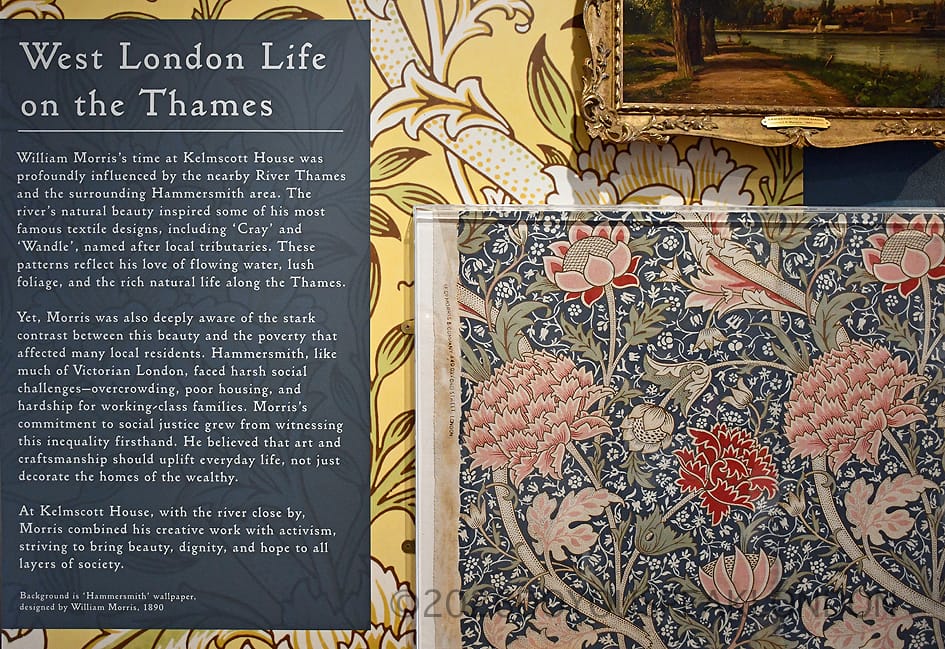
Kelmscott House is a late Georgian riverside property at 26 Upper Mall, right on the north bank of the Thames near Hammersmith Bridge.
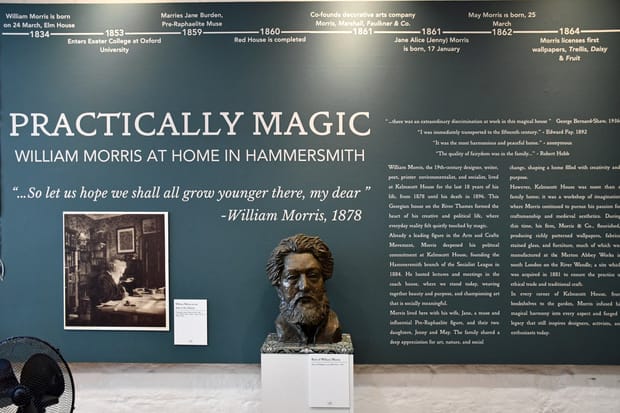
William Morris moved in in 1878 and lived here until his death in 1896.
He actually disliked Georgian architecture, funnily enough. He renamed the house anyway, after Kelmscott Manor, his beloved summer home in the Cotswolds.
The William Morris Society itself was founded much later, in 1955, to keep Morris's life and ideas alive for new generations.
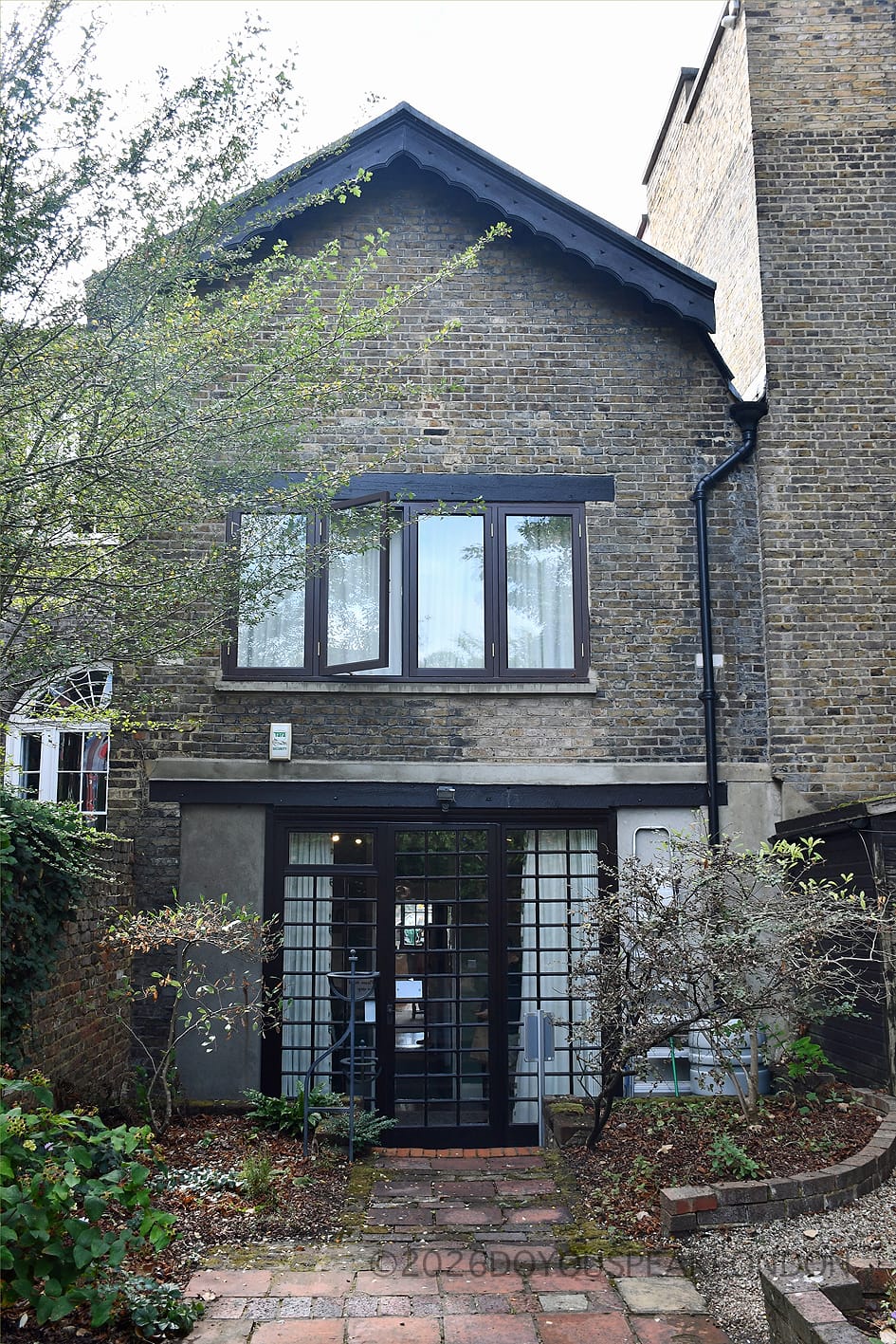
Today the main house remains a private residence. But the coach house and lower rooms belong to the Society, and that's exactly what you get to explore.
It's a small museum. Don't expect a sprawling national institution.
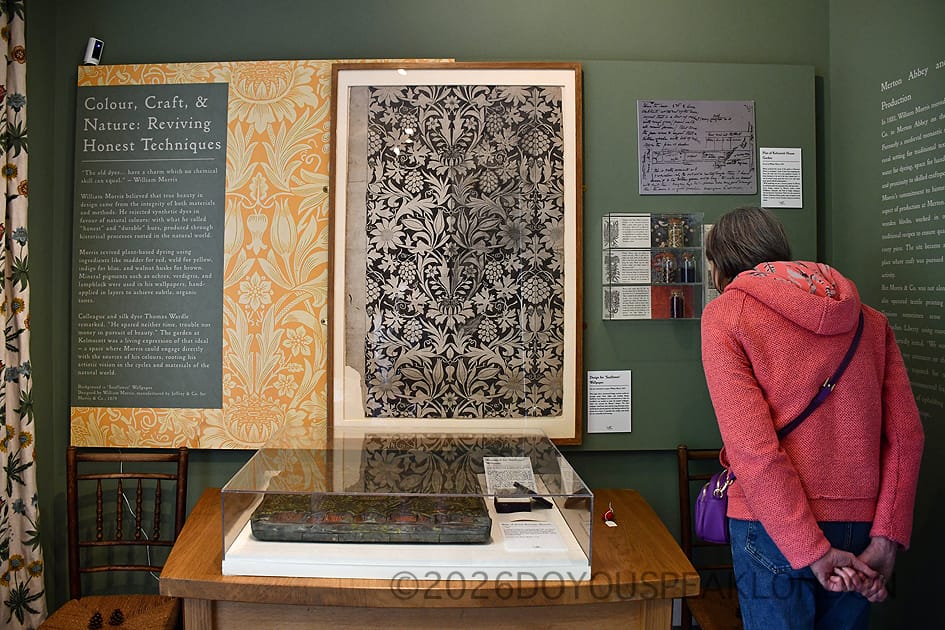
What you get instead is something far more intimate: the actual rooms where Morris designed, printed, and organised.
What makes Kelmscott House so special: design, printing and life in Hammersmith
Discovering William Morris, a humanist
Actually, I knew very little about William Morris before my visit. A leading figure of the British Arts and Crafts movement, he was more known as a designer who created those instantly recognisable floral patterns we still see everywhere today.
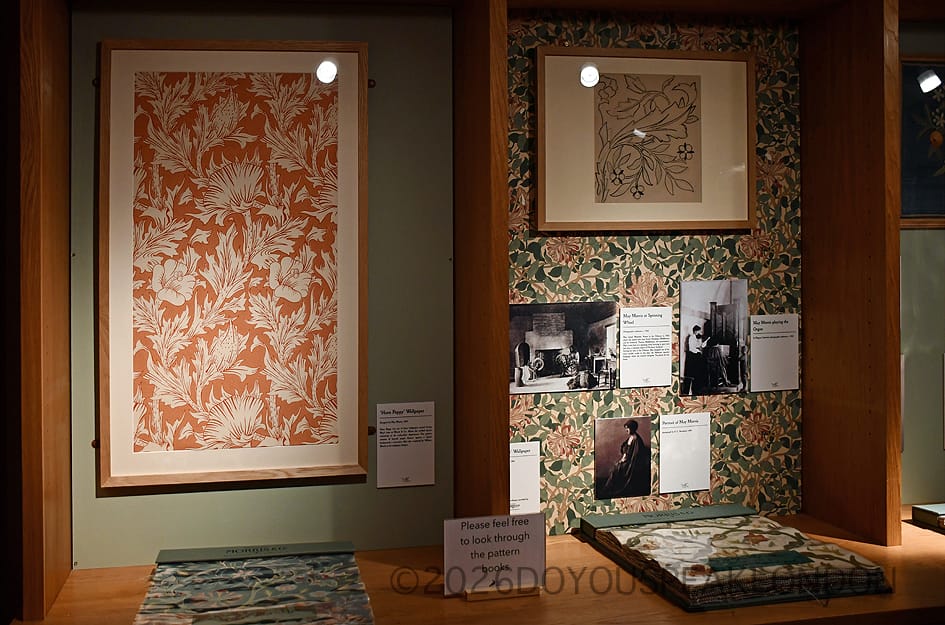
But the more you discover about William Morris, the more fascinating he becomes.
Because he also was a poet, novelist, translator, environmentalist and committed socialist. A surprisingly radical figure for someone now best known for his beautiful floral patterns!
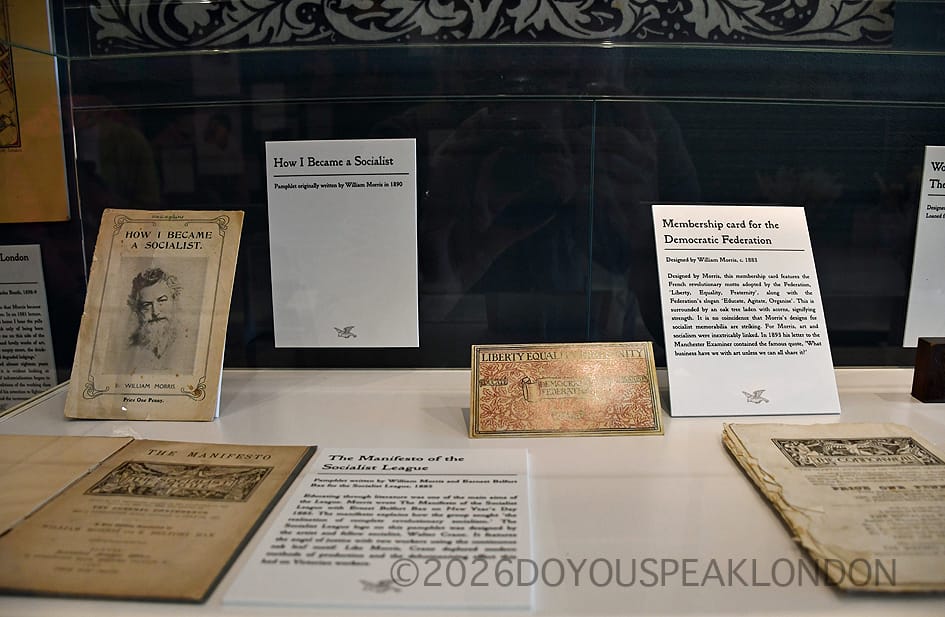
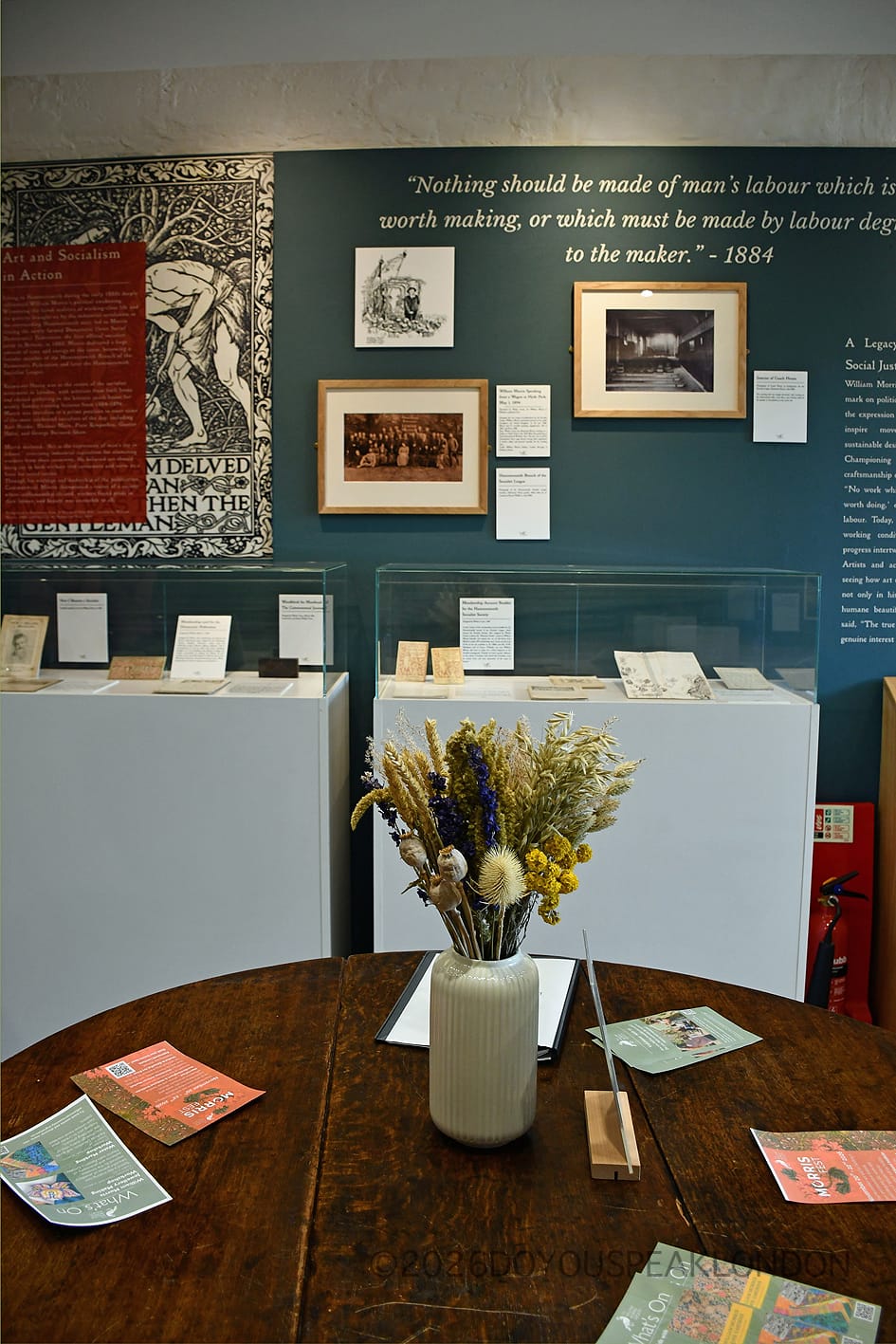
Kelmscott House was also a meeting place for the Hammersmith branch of the Socialist League. Speakers included Keir Hardie, founder of the Labour Party, and Russian revolutionary Pyotr Kropotkin.
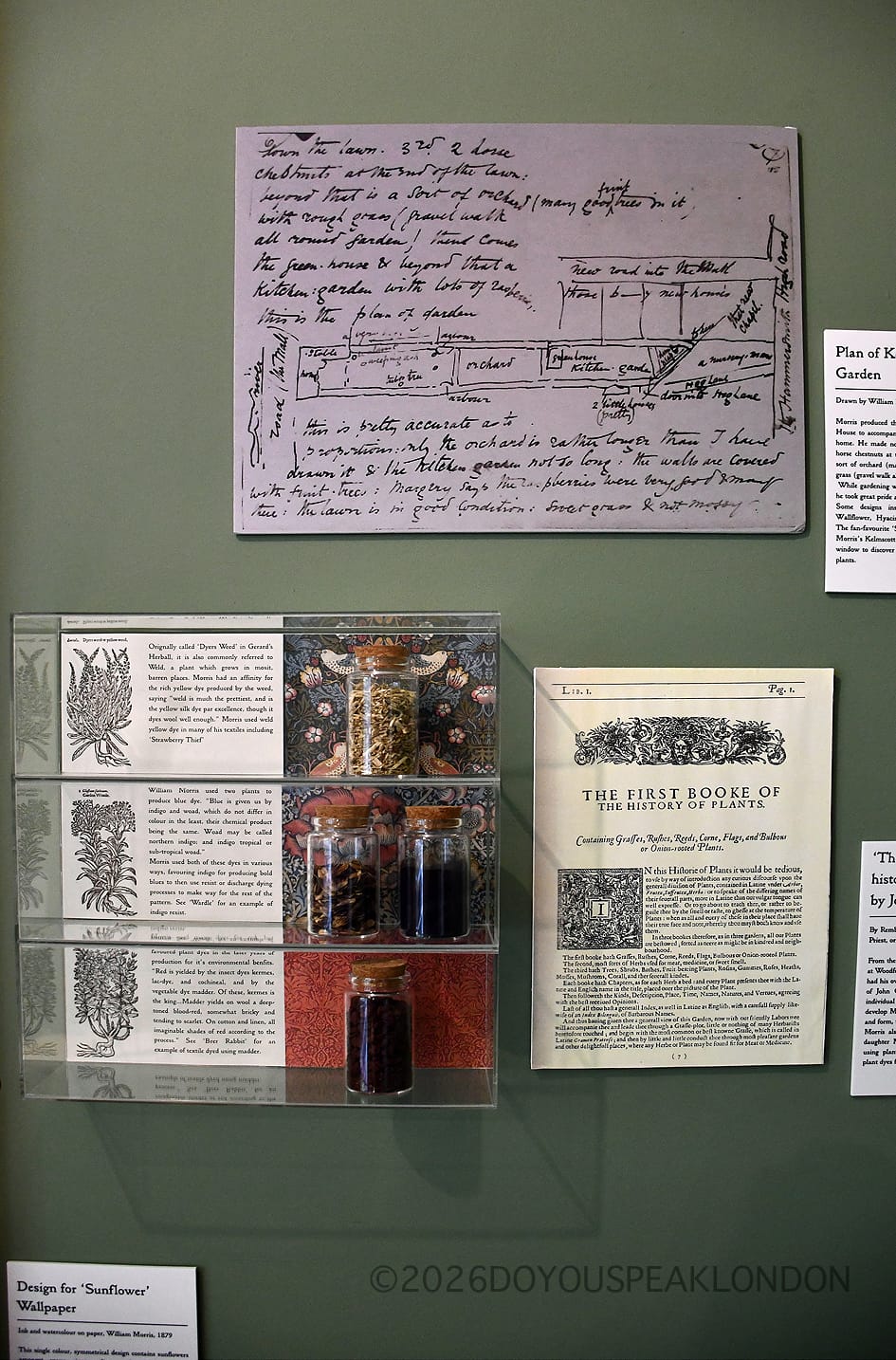
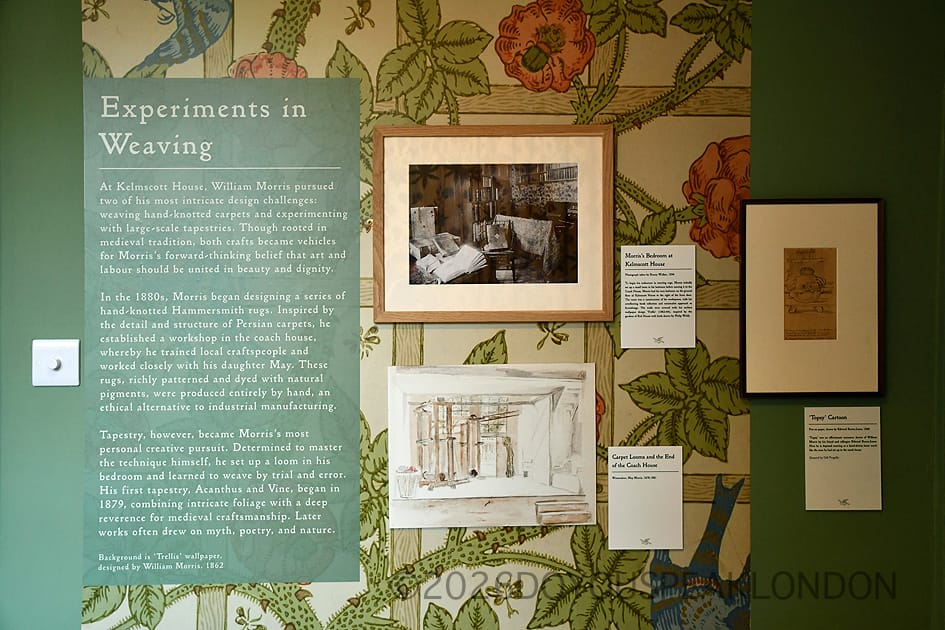
What really fascinated me about William Morris was what he believed work and beauty could be. He wanted work to be creative and fulfilling rather than exhausting drudgery, and believed beautiful, well-made things shouldn’t be reserved for the wealthy.
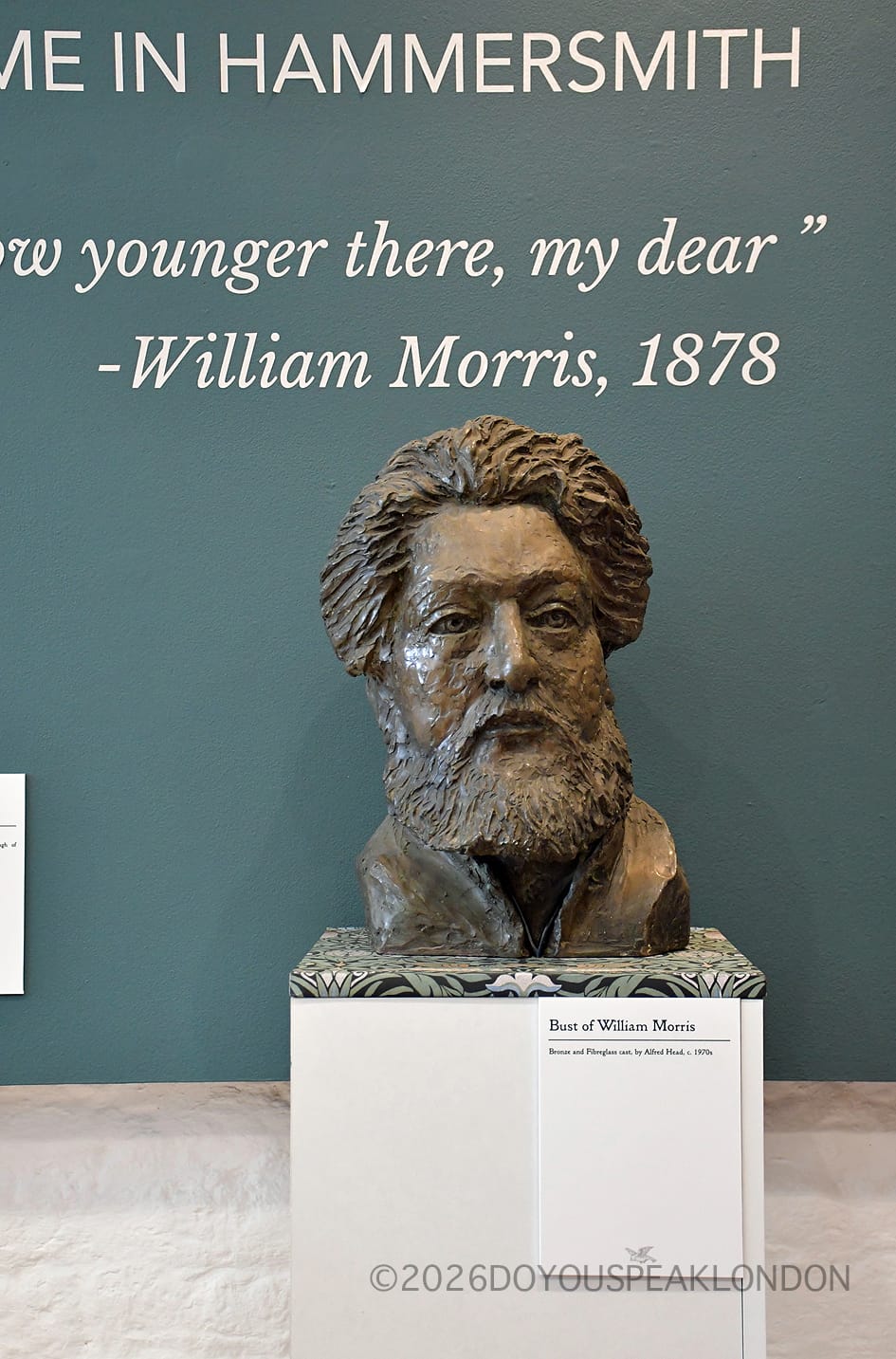
A committed socialist and passionate critic of industrialisation, he championed traditional crafts and handmade production at a time when mass manufacturing was rapidly changing Britain.
His utopian novel News from Nowhere, published in 1890 while he was living here in Hammersmith, imagined a very different kind of society, one built around creativity, equality and meaningful work.
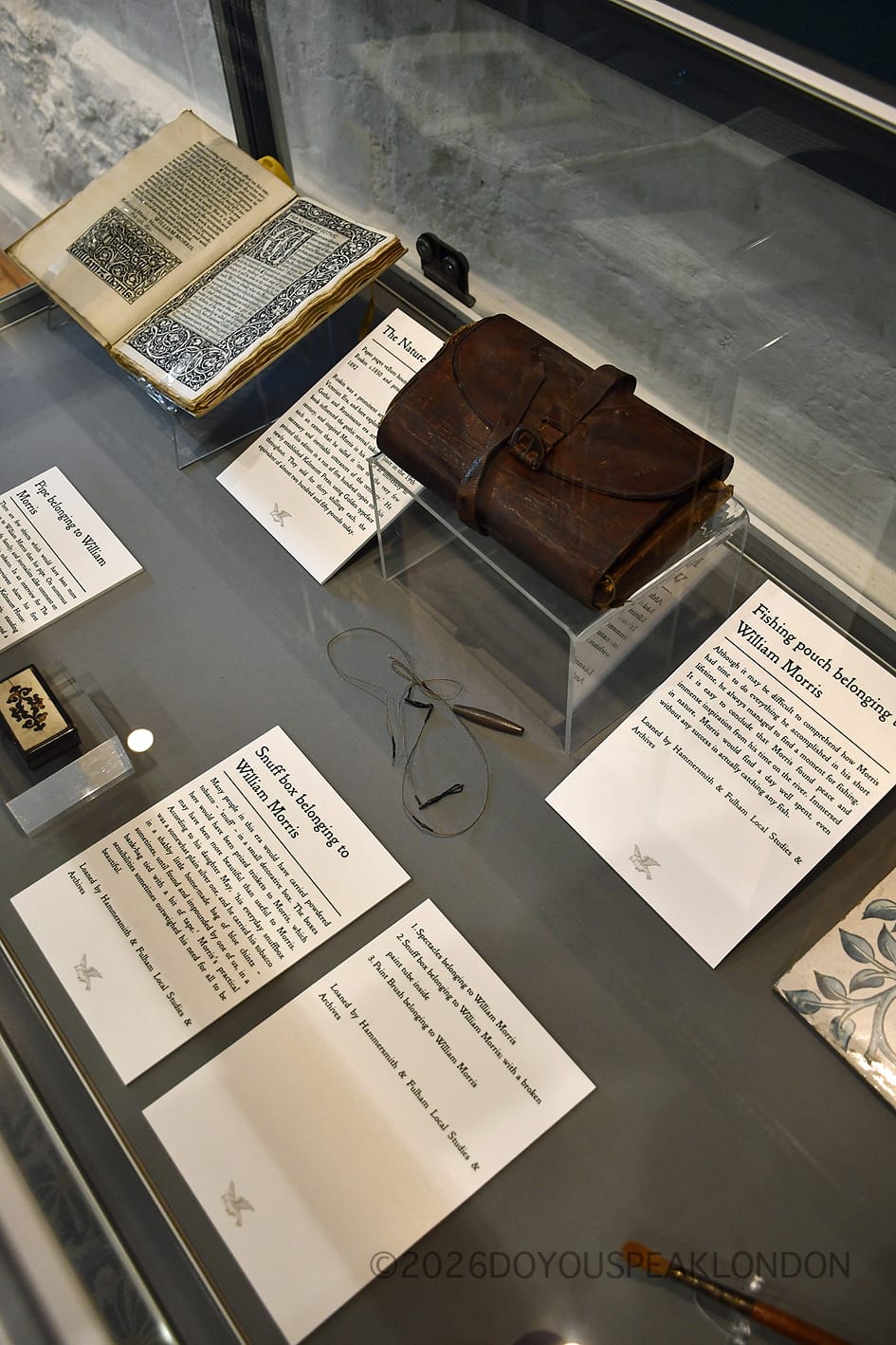
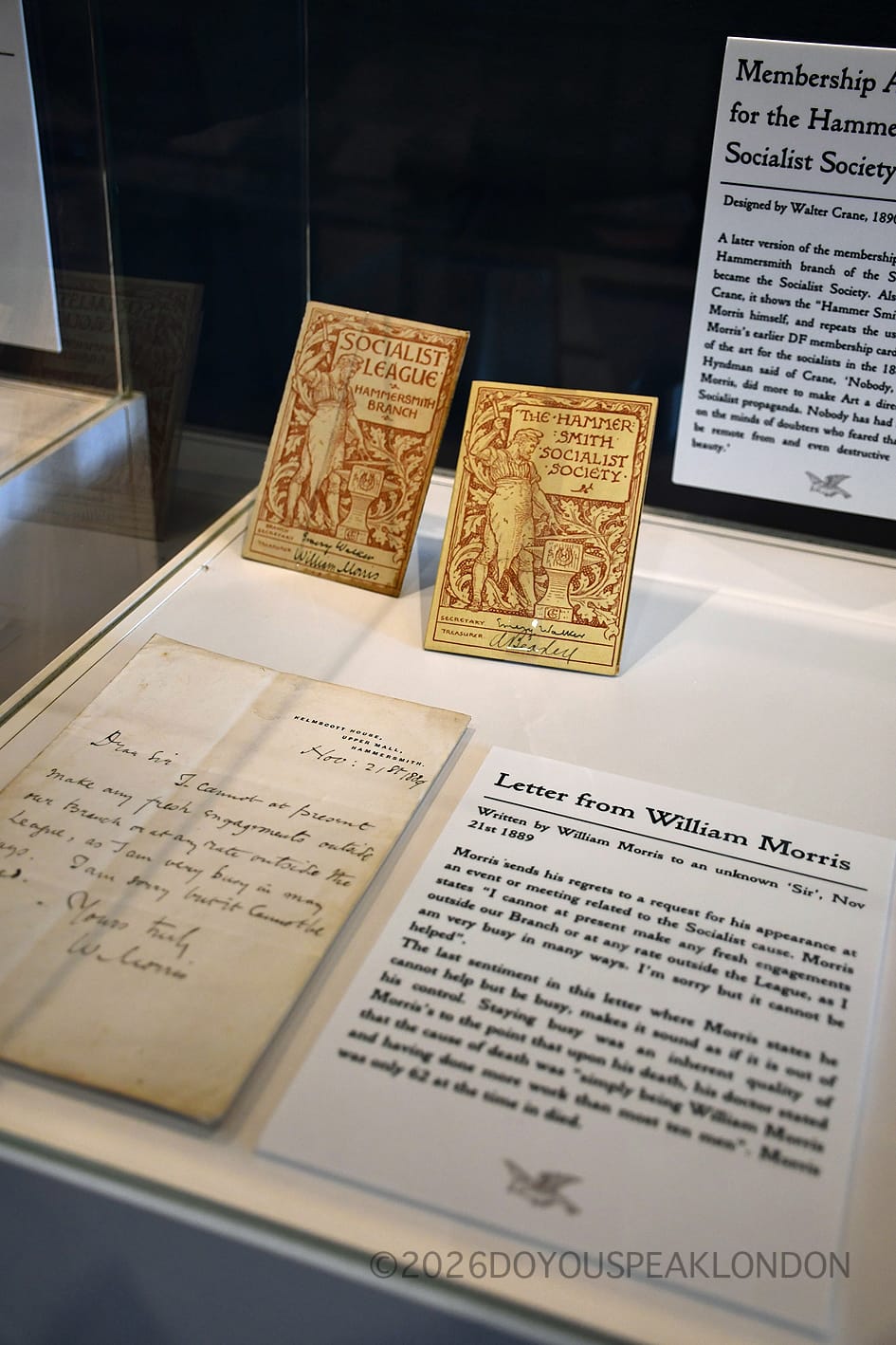
Suddenly, those famous wallpaper designs feel like just one small part of a much bigger story!
The printing press that started a revolution in book design
Morris founded the Kelmscott Press just down the road, obsessed with reviving the craft of fine book printing at a time when industrial mass production was taking over everything.
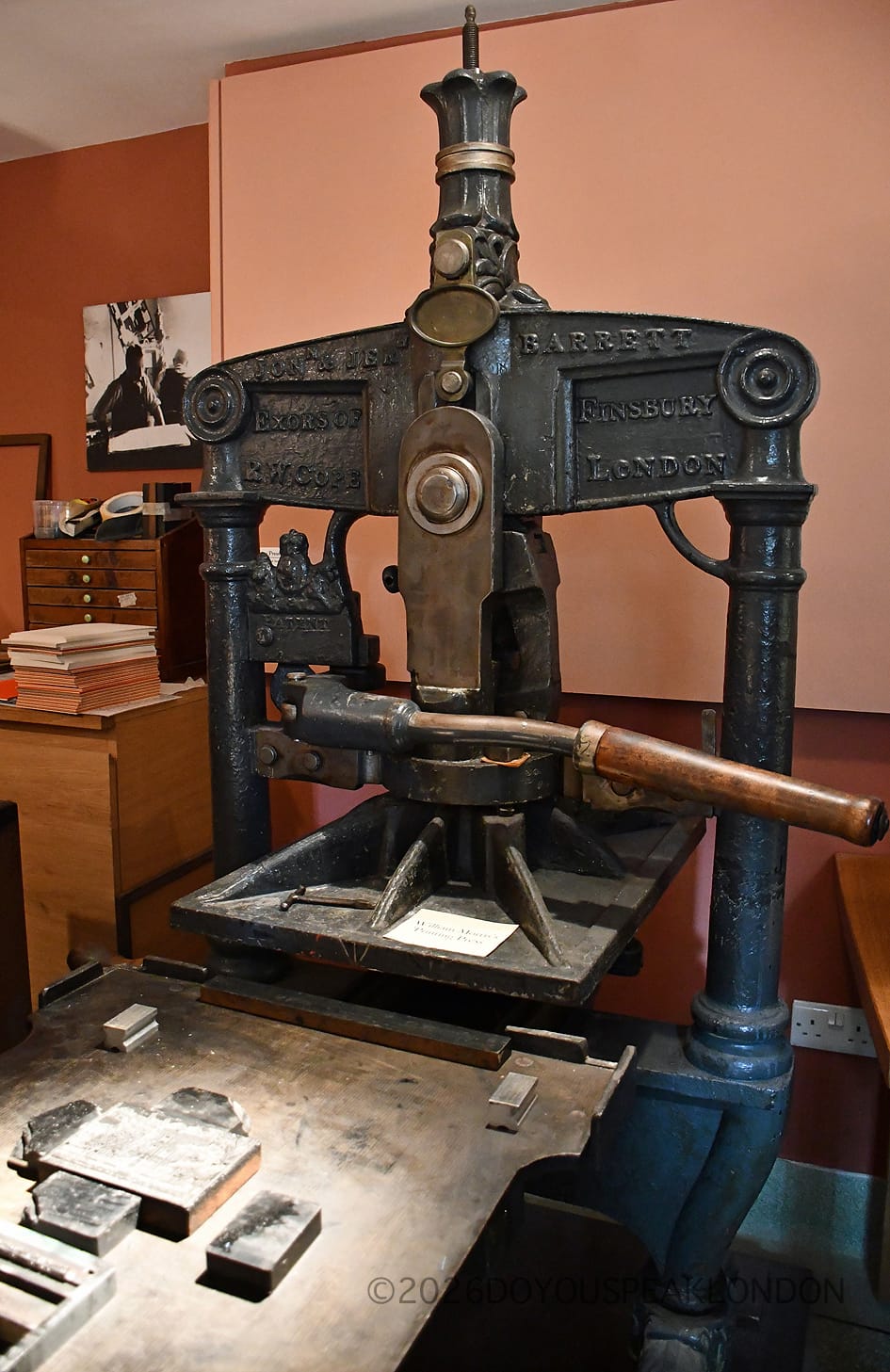
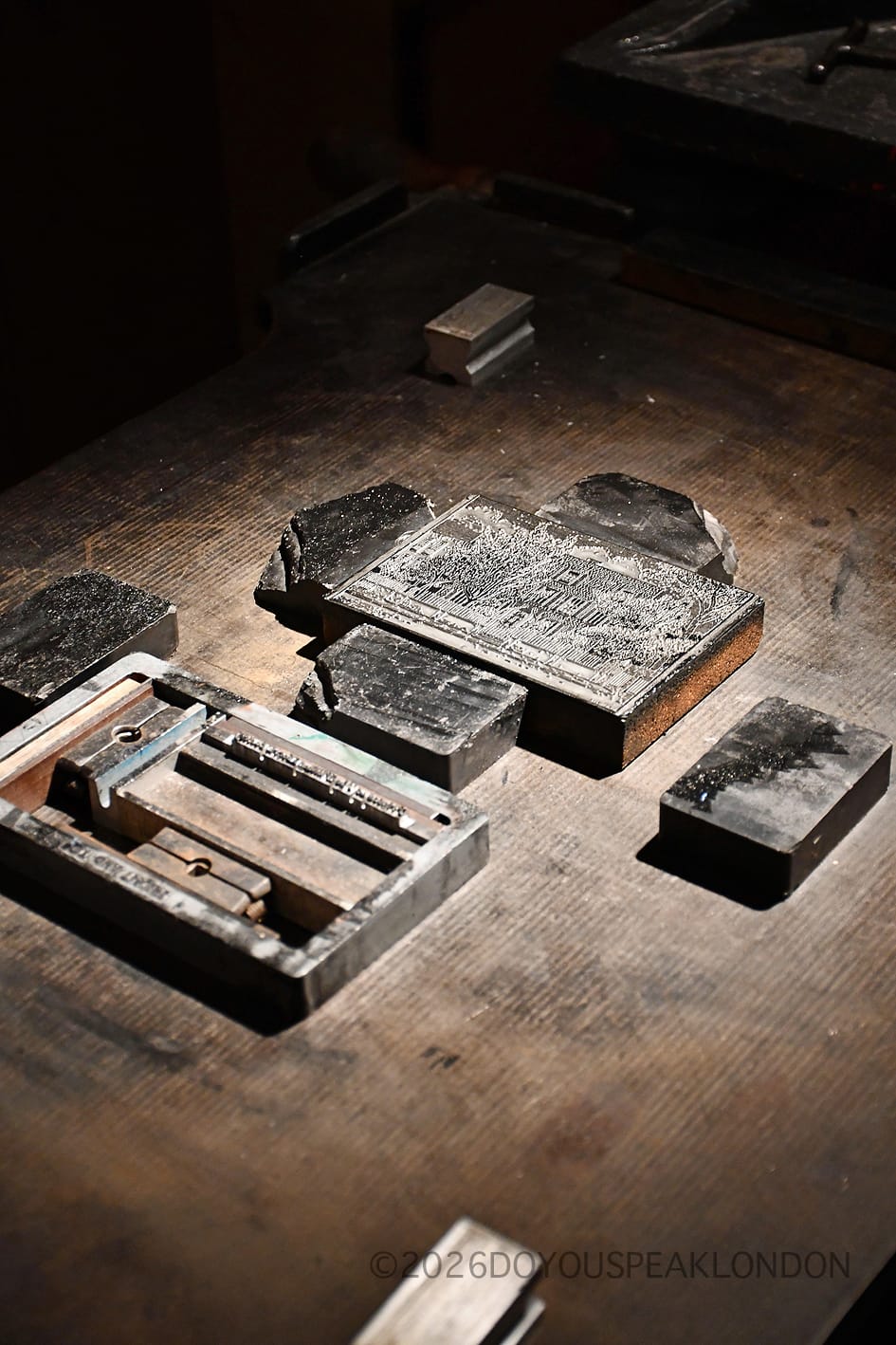
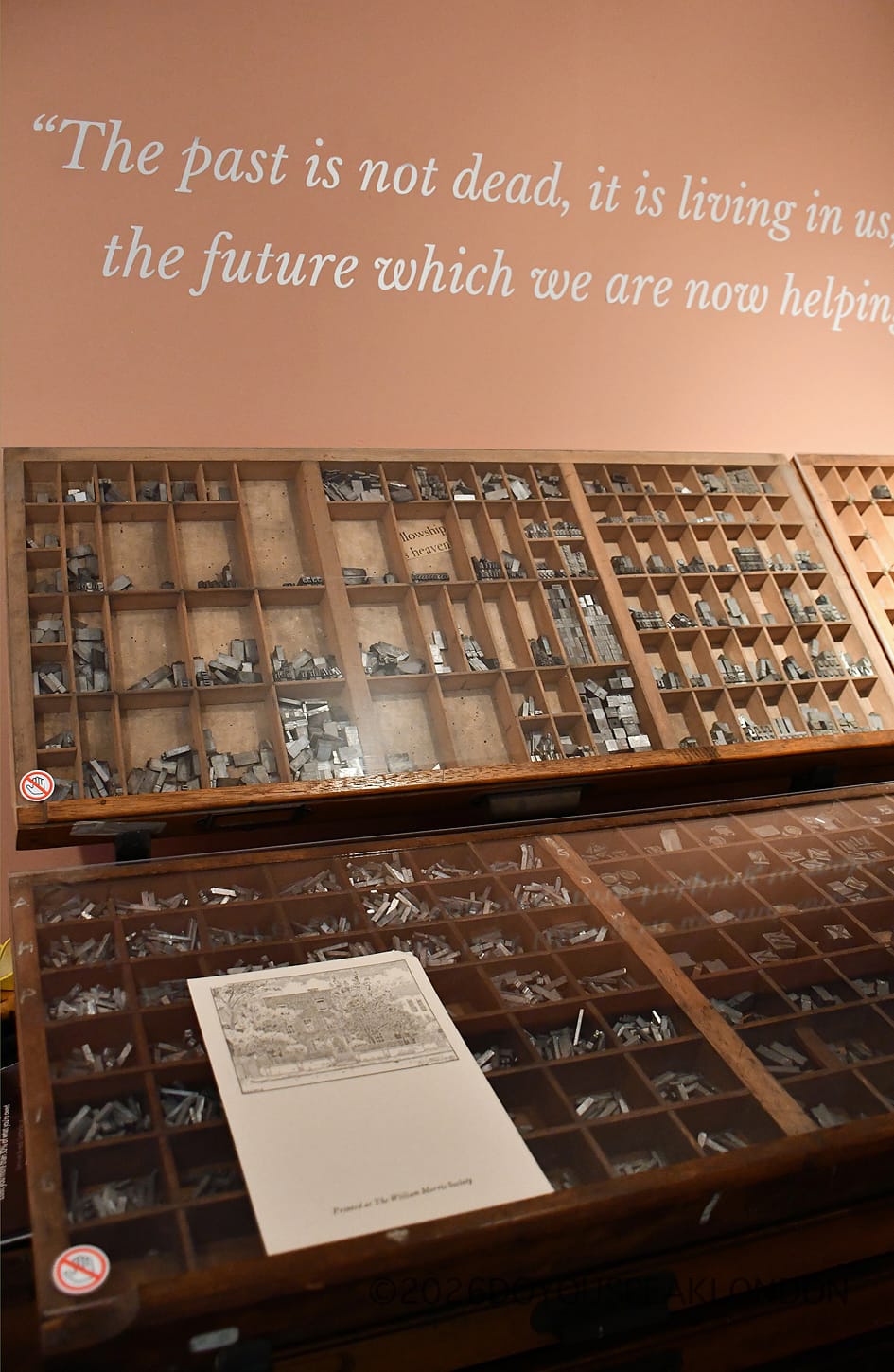
Seeing the printing equipment and original Kelmscott Press editions up close, you understand why. These are objects made with real care, right down to the typeface Morris designed himself.
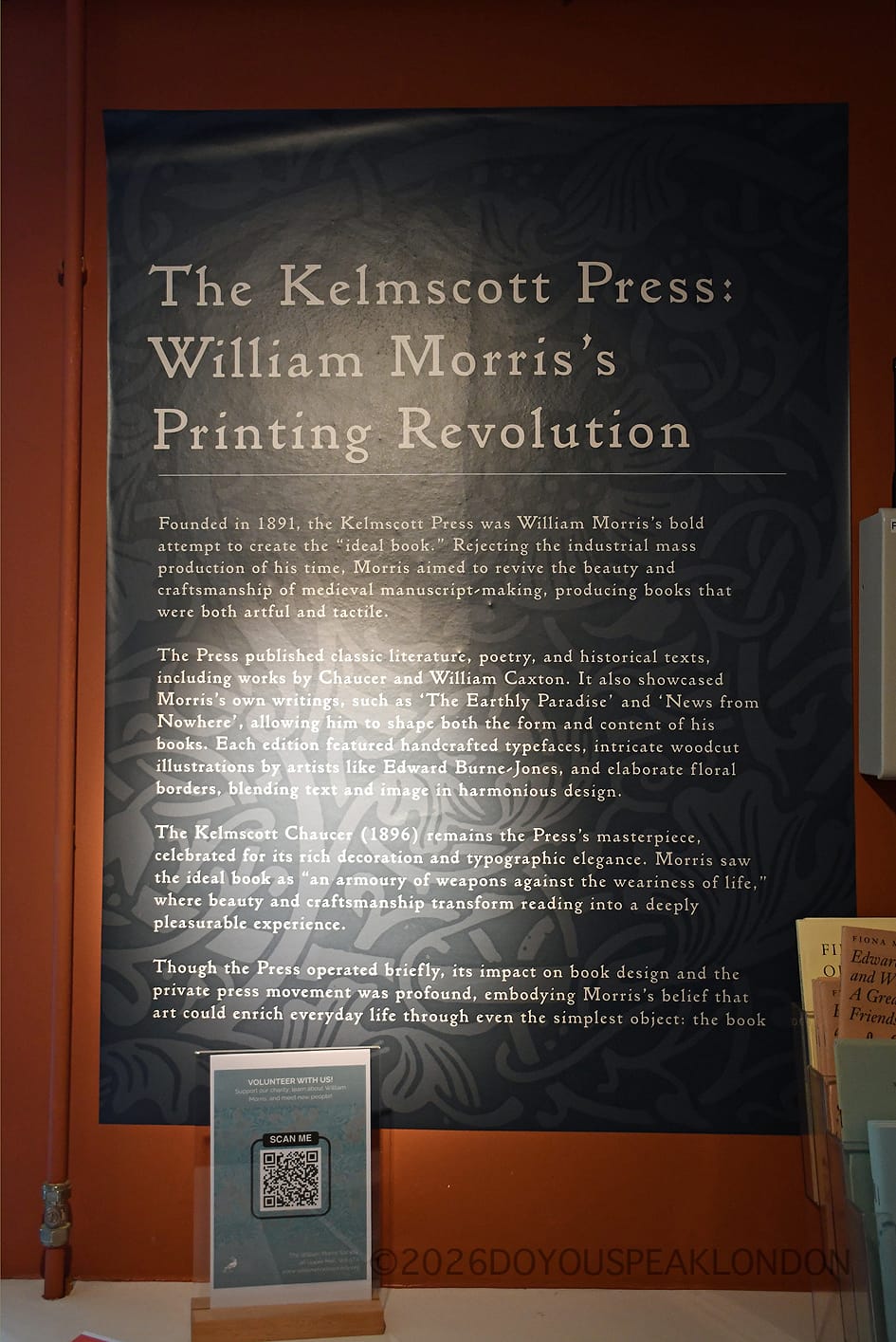
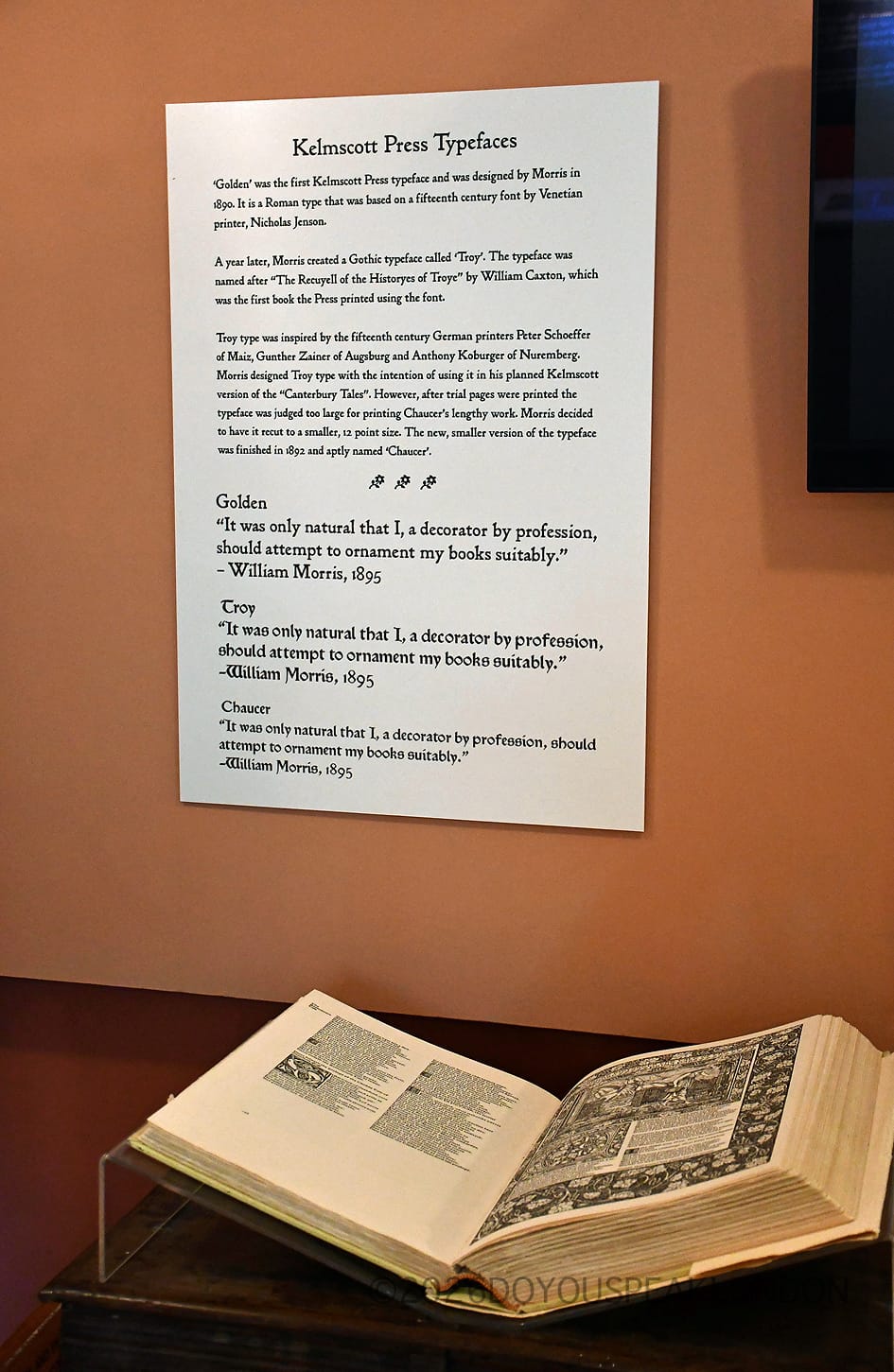
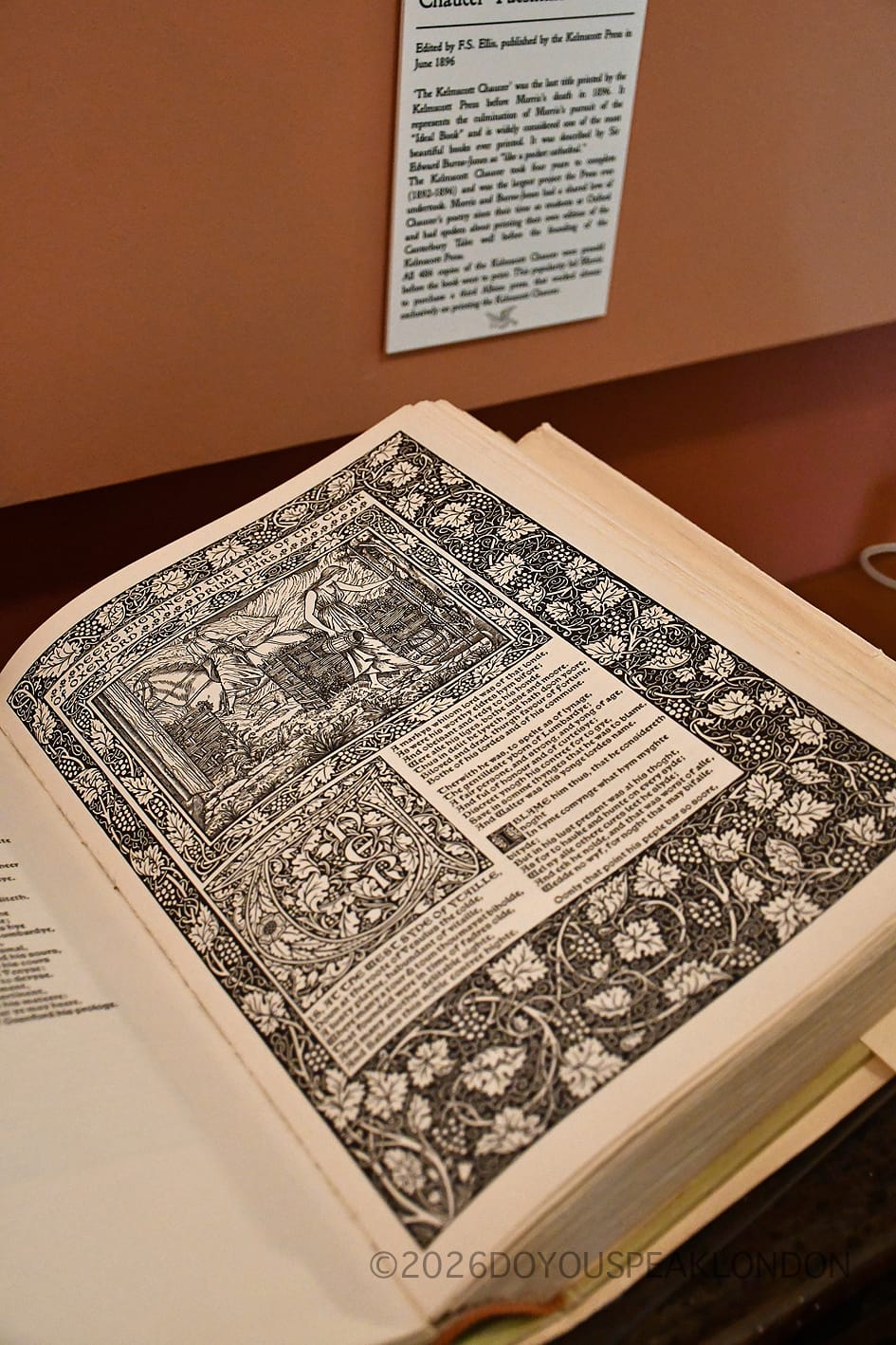
It's a wonderful reminder that "design" for Morris meant every single detail, not just the pretty surface pattern.
Why the William Morris Society is worth visiting
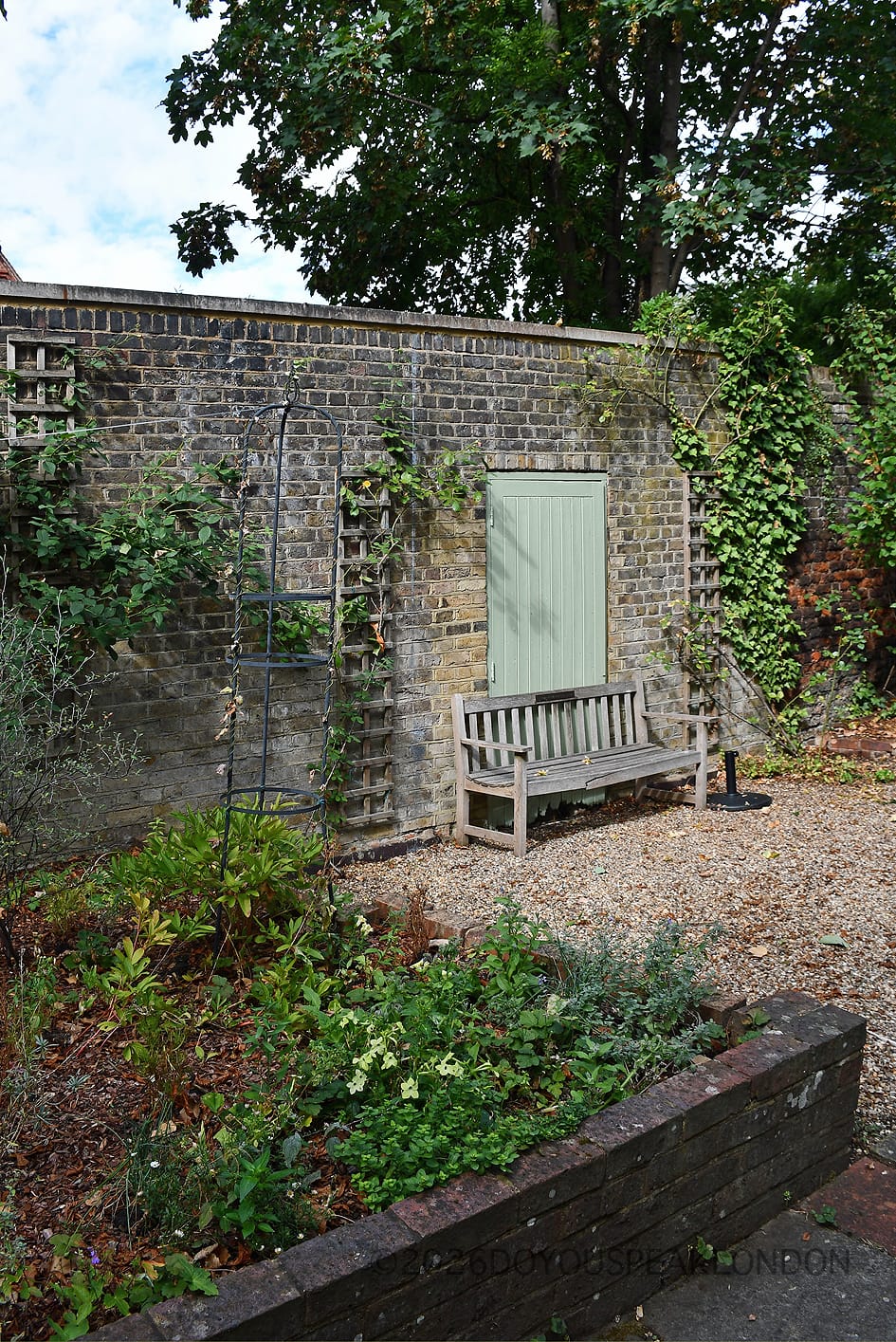
Pair it with a riverside walk
Kelmscott House isn't going to eat up your whole afternoon, and that's part of its charm.
Give it 45 minutes to an hour, then step straight back out onto the Thames Path.
Walking along the river from Hammersmith towards Chiswick is genuinely one of London's loveliest riverside strolls, especially on a sunny afternoon.
You'll pass historic pubs right on the water, houseboats, and views that feel miles away from central London.
Stay for lunch in Hammersmith
Hammersmith itself has quietly become a proper foodie destination. King Street and the surrounding streets are packed with good options, from casual bakeries to more polished sit-down spots.
So don’t think of it as a museum you simply pop into and move on from. It’s a lovely starting point for exploring Hammersmith, the Thames Path and this less-visited corner of west London.
Feeling inspired? If you're planning a visit to the William Morris Society at Kelmscott House, I'd love to hear about your experience on DOYOUSPEAKLONDON!
DISCOVER MORE LONDON MUSEUMS & CULTURAL GEMS HERE!
FOLLOW ME ON INSTAGRAM FOR MORE INSPIRATION!
Everything you need to know about the William Morris Society:
Address: Kelmscott House, 26 Upper Mall, Hammersmith, London W6 9TA
Tickets: Admission prices have varied historically between free entry and a small charge (around £5 for adults, £3.50 concessions). Check the official website before visiting for the current rate.
Opening hours: Thursday to Sunday, 10am to 4pm (last entry 3.30pm). Always confirm ahead, as hours can change for special exhibitions and events.
Nearest stations: Ravenscourt Park (District line, 10-minute walk) or Hammersmith (Piccadilly, District, Hammersmith & City lines, 15-minute walk)
Website: williammorrissociety.org
William Morris Society | Kelmscott House | Hammersmith | William Morris | Arts and Crafts movement | Kelmscott Press | Thames Path walk | Things to do in Hammersmith | Things to do in London | William Morris museum London | London Museum.


