
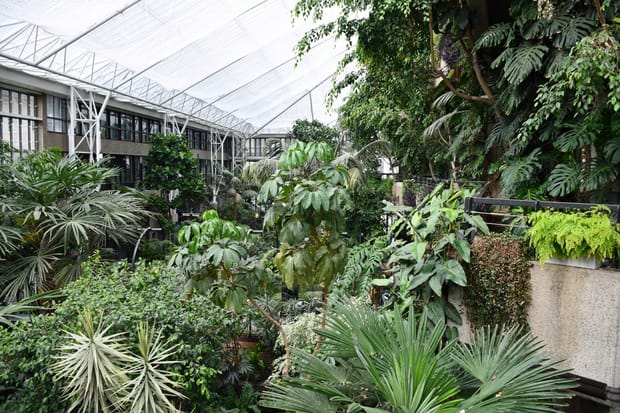
I went back to the Barbican Conservatory last June, and it was my second visit.
I remembered the concrete, the lush greenery and that slightly surreal feeling of finding a tropical garden tucked inside one of London’s most iconic brutalist buildings. But seeing it again made me realise there’s something quite special about this place.
Today, DOYOUSPEAKLONDON takes you inside the Barbican Conservatory, a lush and unexpected space tucked away within the Barbican Centre, right in the heart of the City!
Barbican Conservatory: the story behind London’s Brutalist greenhouse
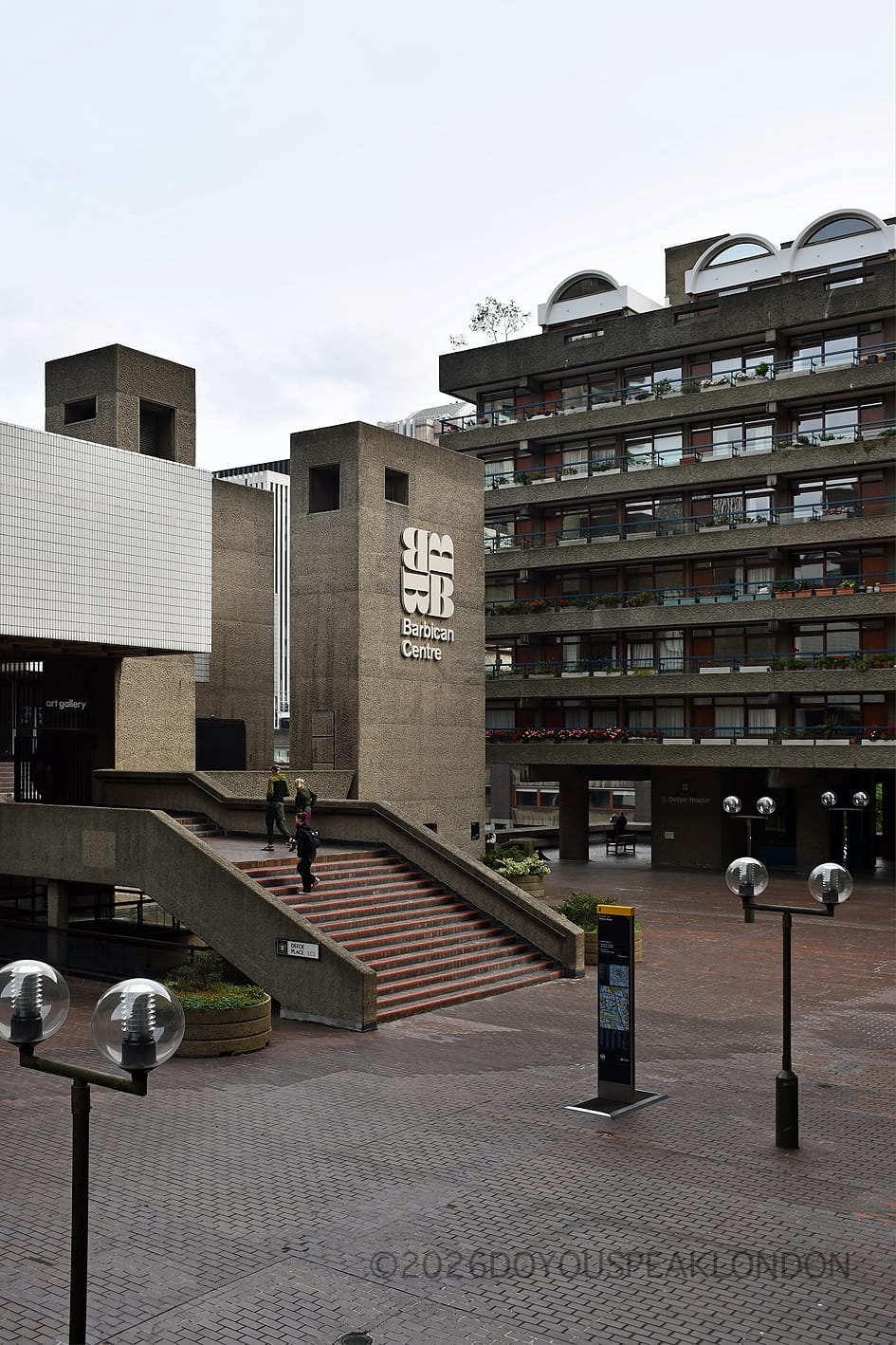
The Barbican Conservatory opened in 1984, built around the Barbican Theatre’s enormous fly tower, the structure used to raise and lower scenery and stage equipment for performances six floors below.
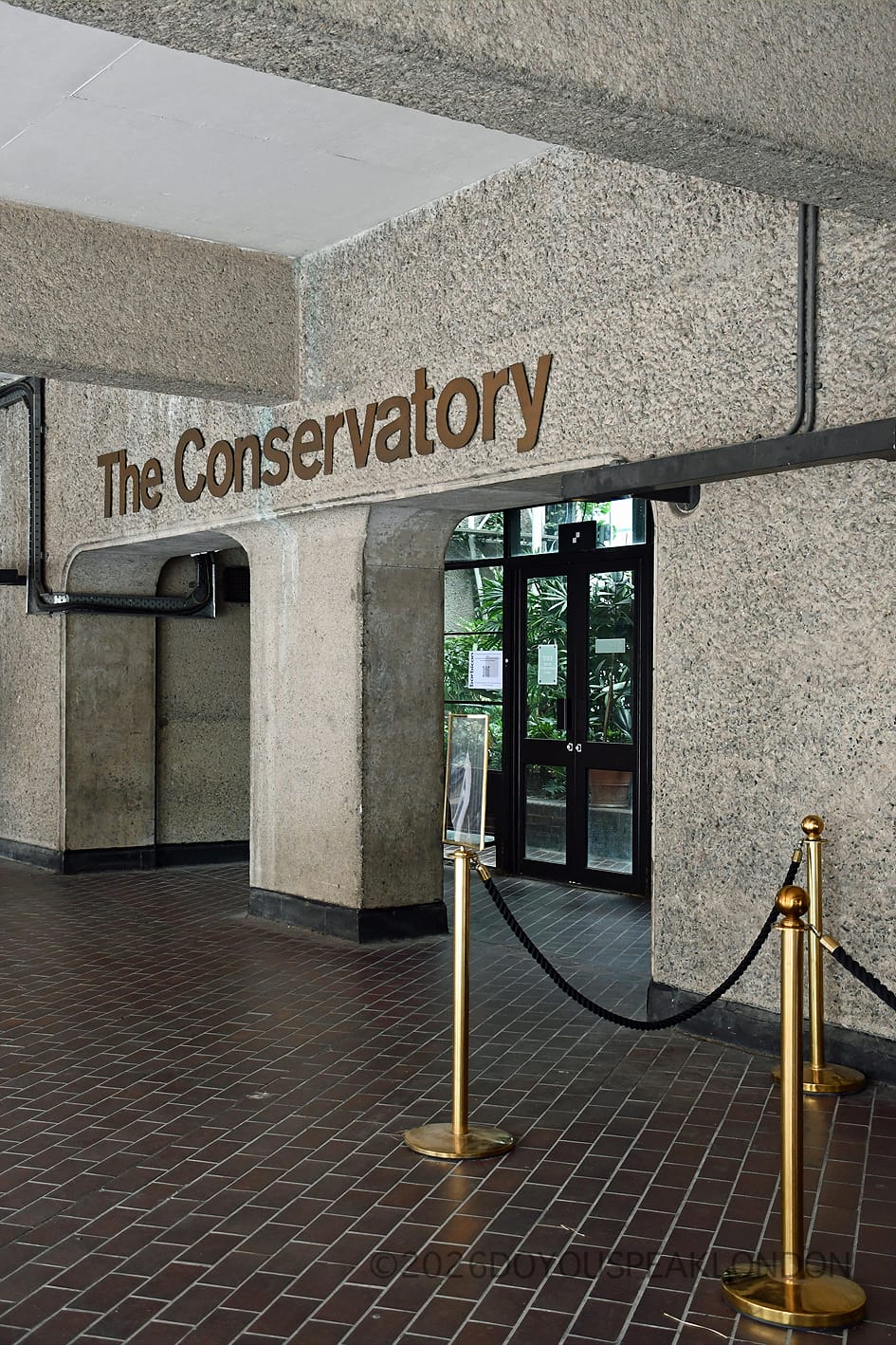
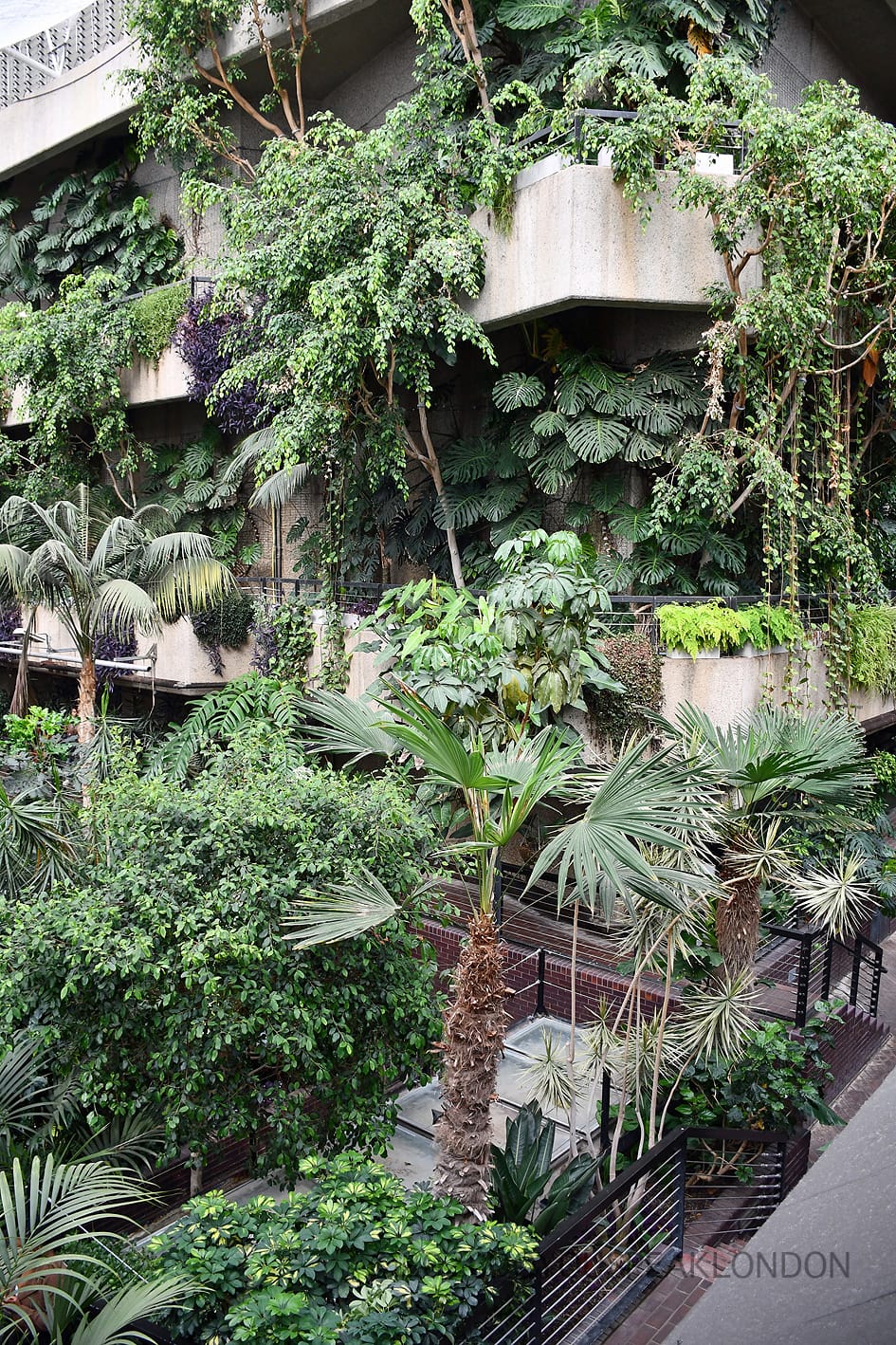
It’s quite a brilliant bit of Brutalist thinking: rather than trying to hide the huge concrete structure, the architects surrounded it with a glasshouse and filled the space with plants!
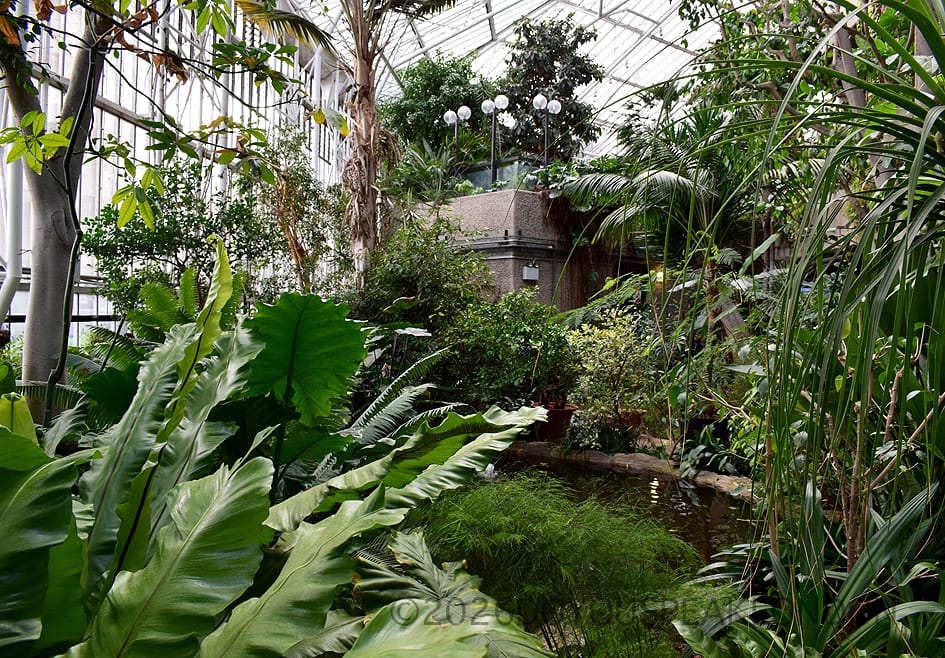
Four decades later, the result is one of London’s most unusual green spaces, home to around 1,500 species of plants and trees, including rare and endangered varieties.
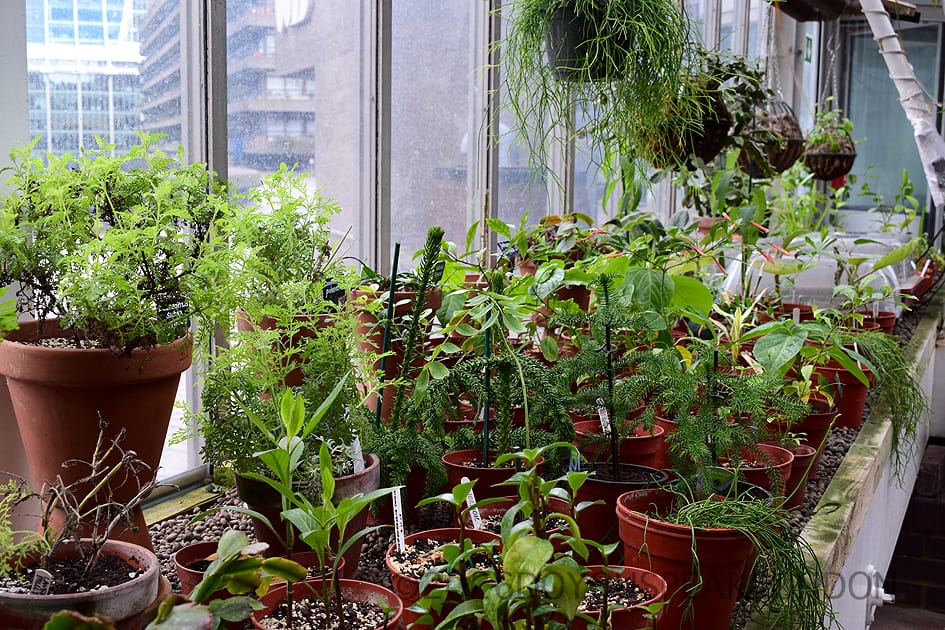
It’s also officially the second-biggest conservatory in London, after Kew Gardens’ Princess of Wales Conservatory, which I highly recommend if you've never been there yet.
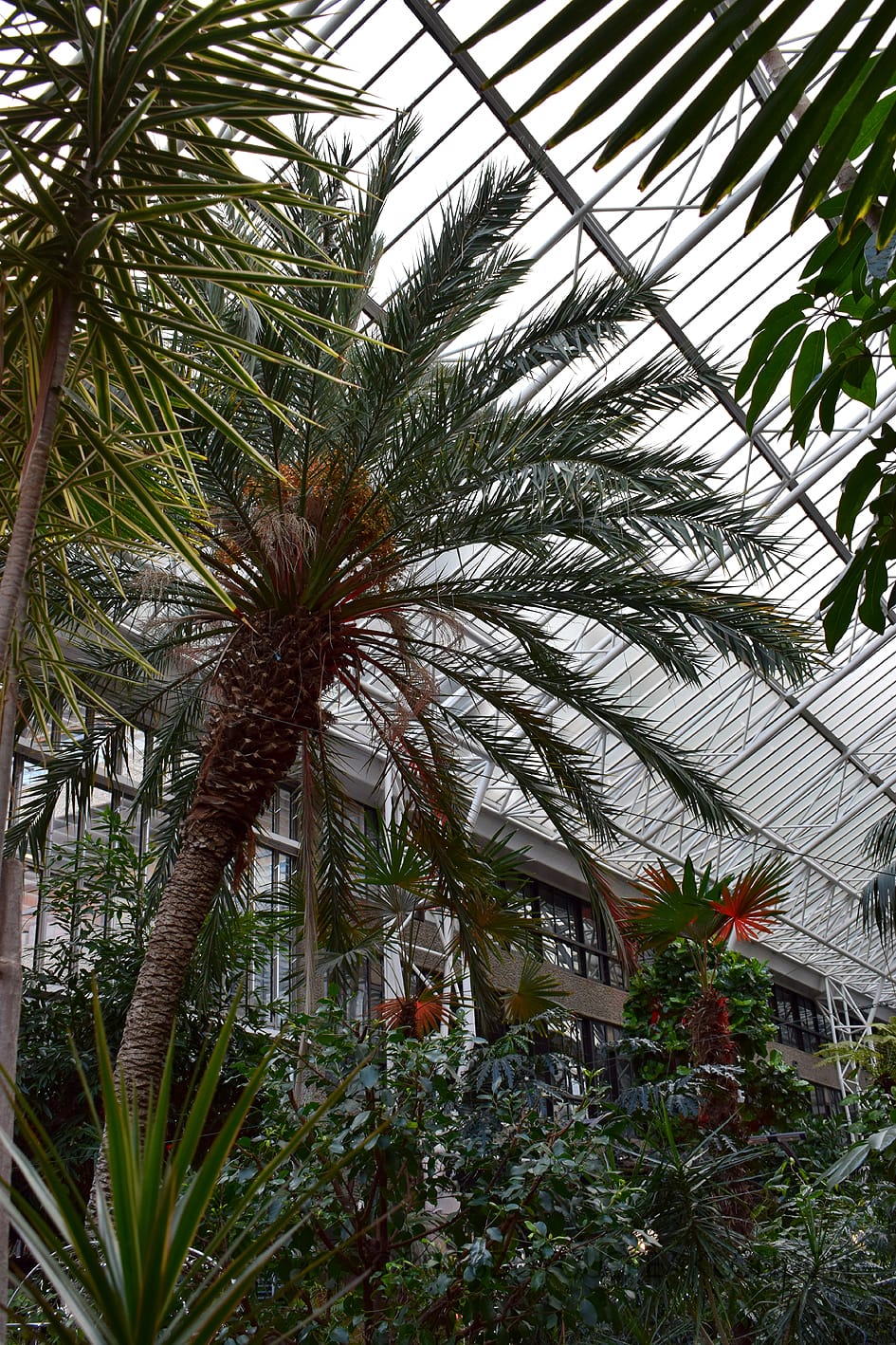
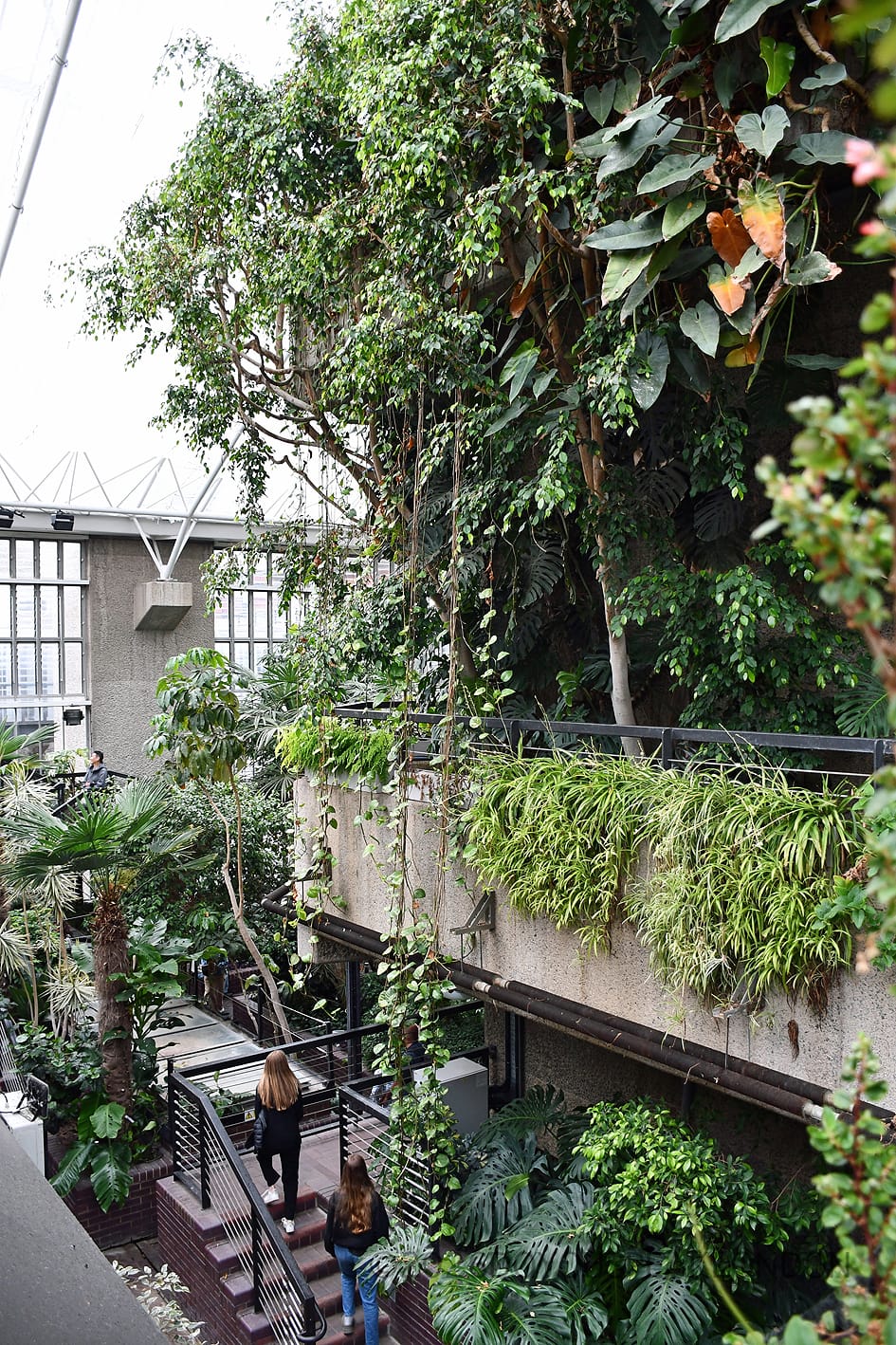
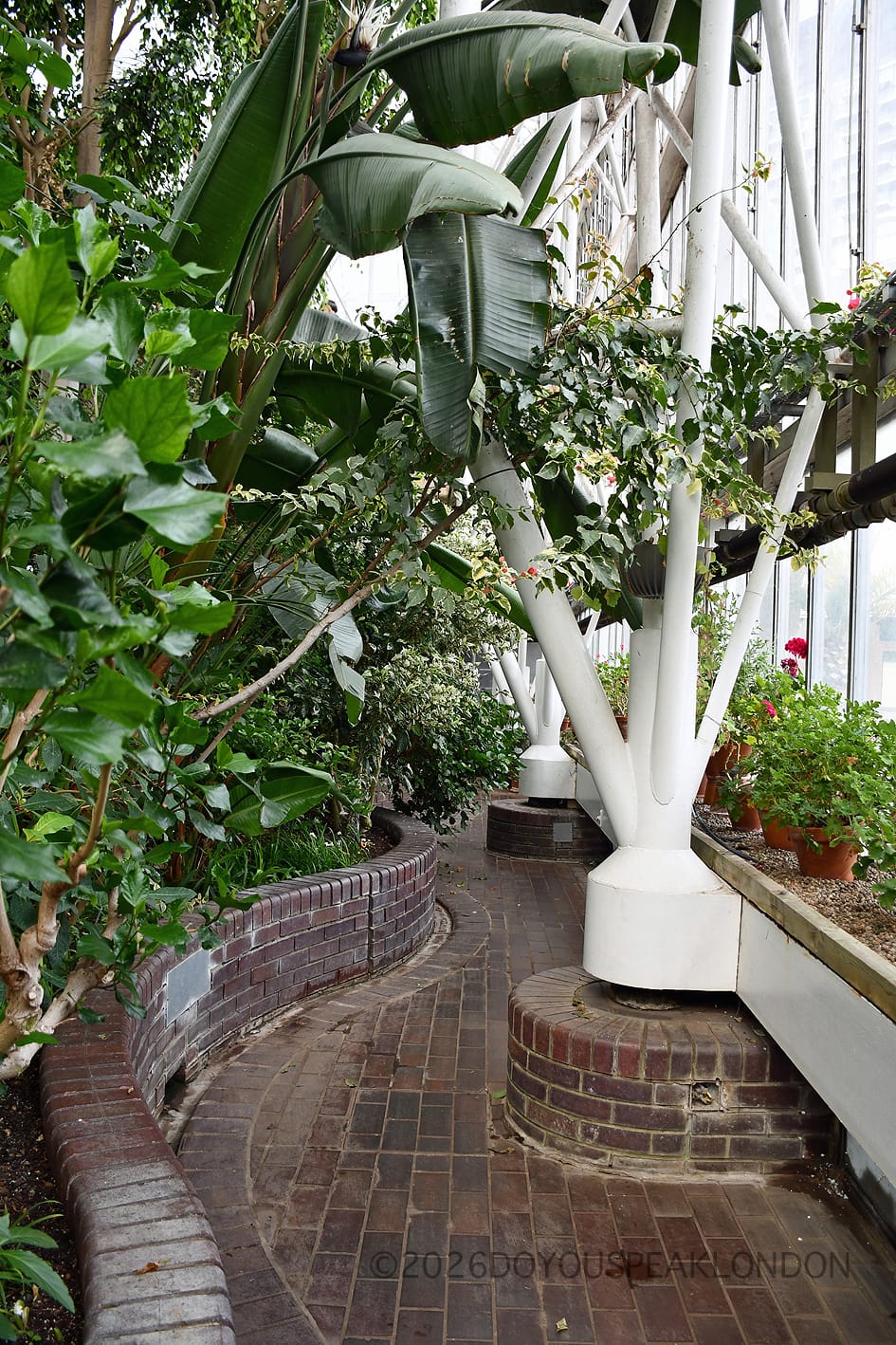
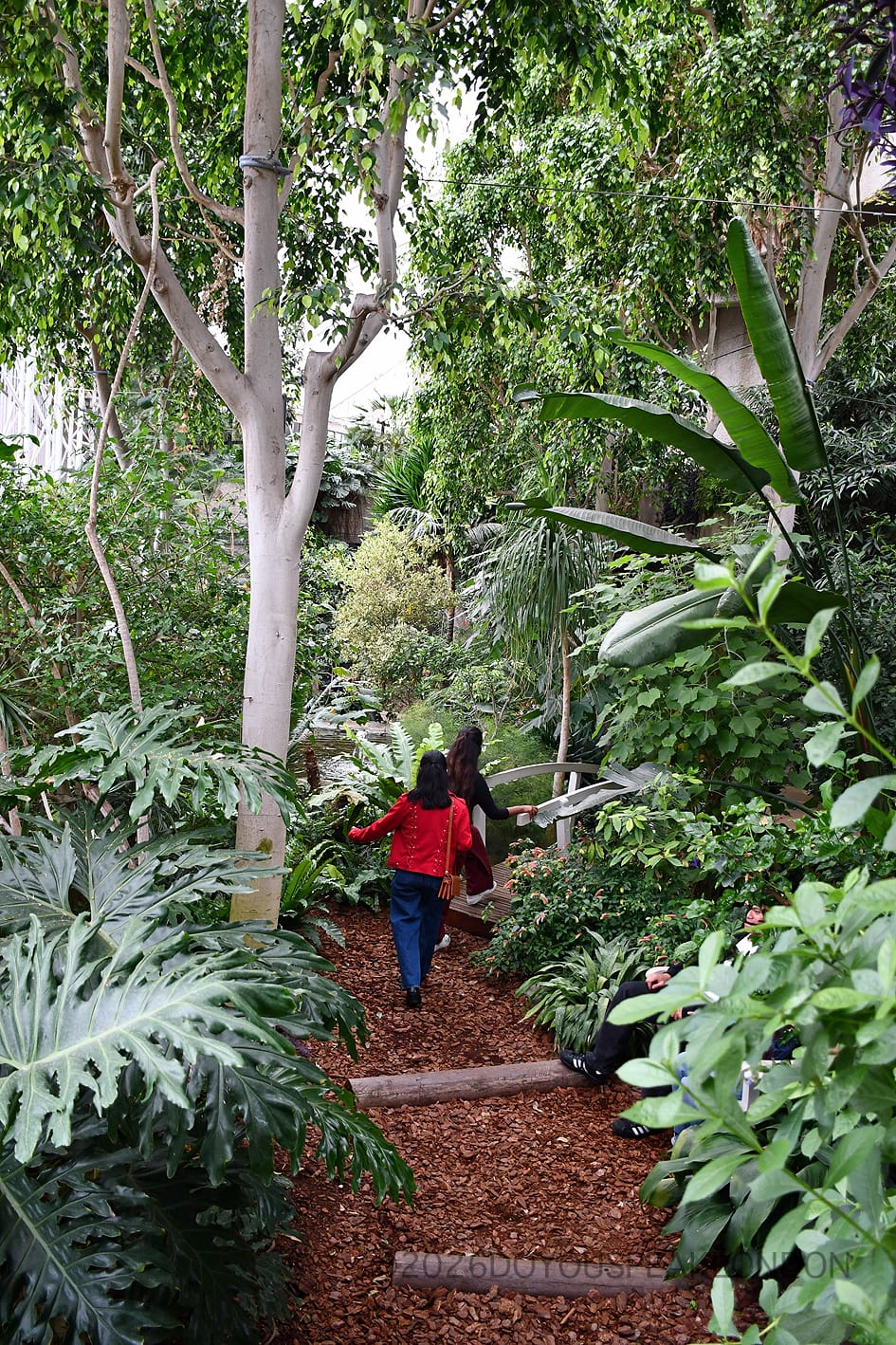
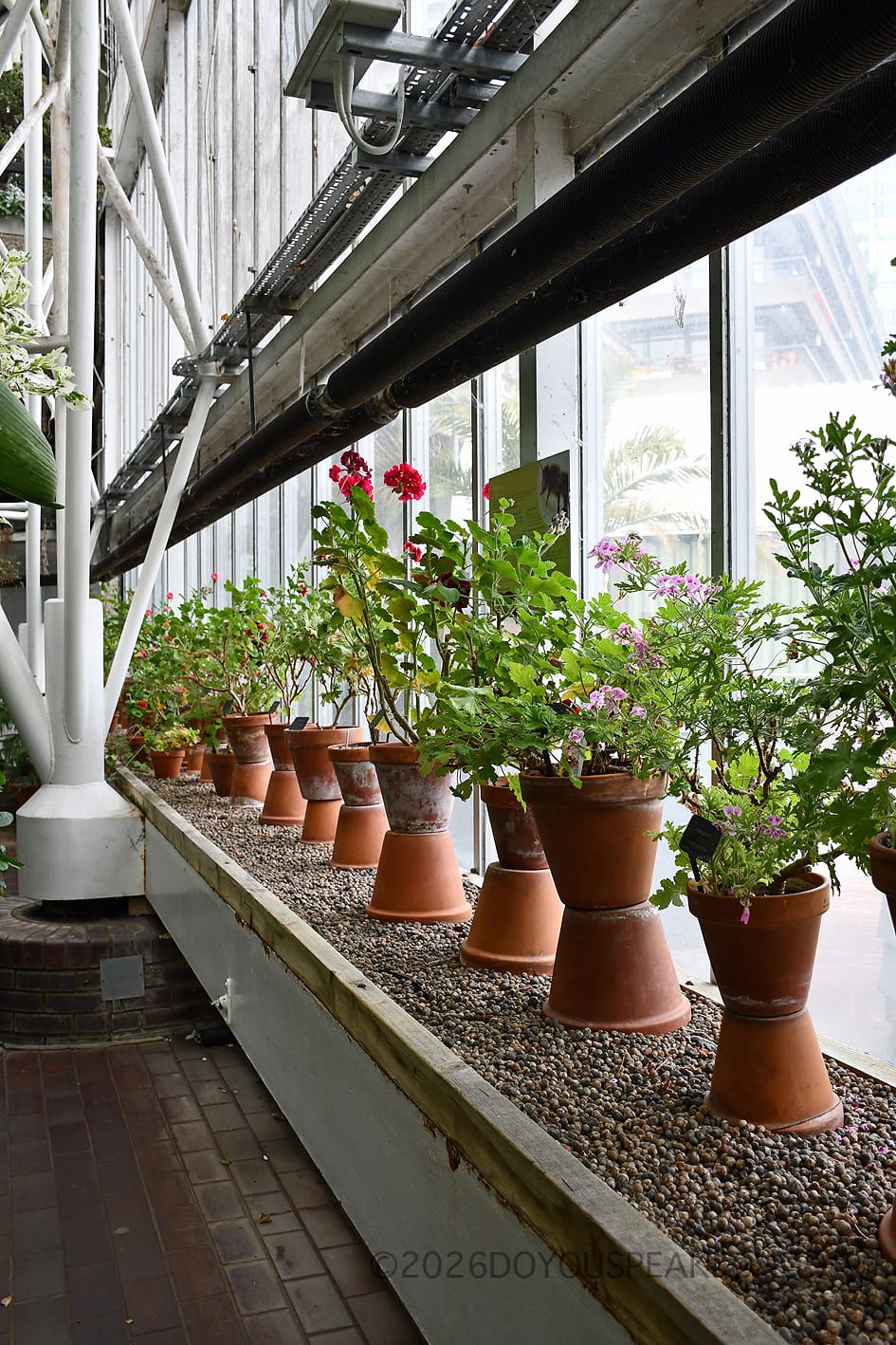
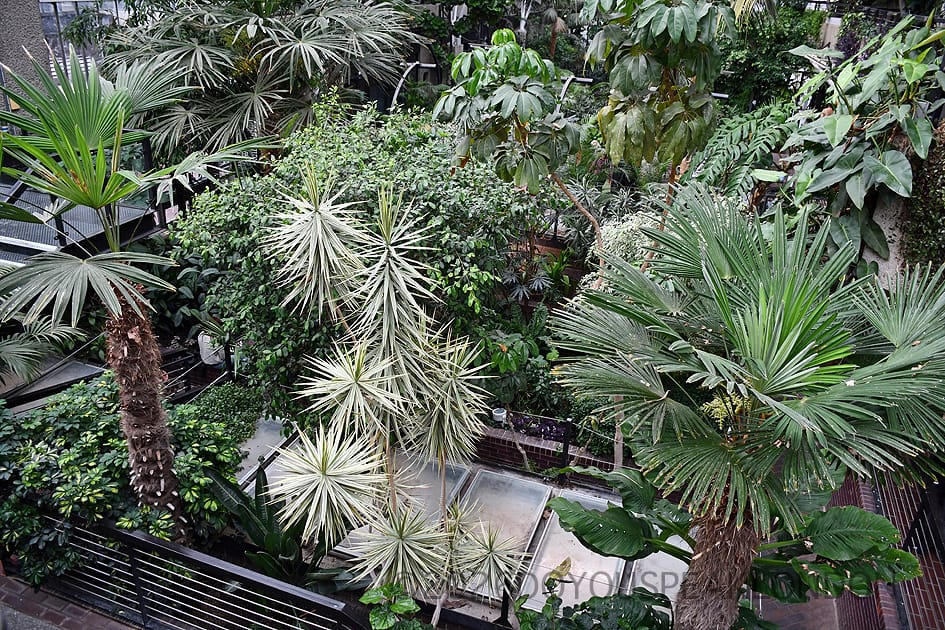
Inside The Conservatory, you’ll find towering palms, banana plants, tree ferns, cacti and vines growing against the Barbican’s unmistakable concrete architecture.
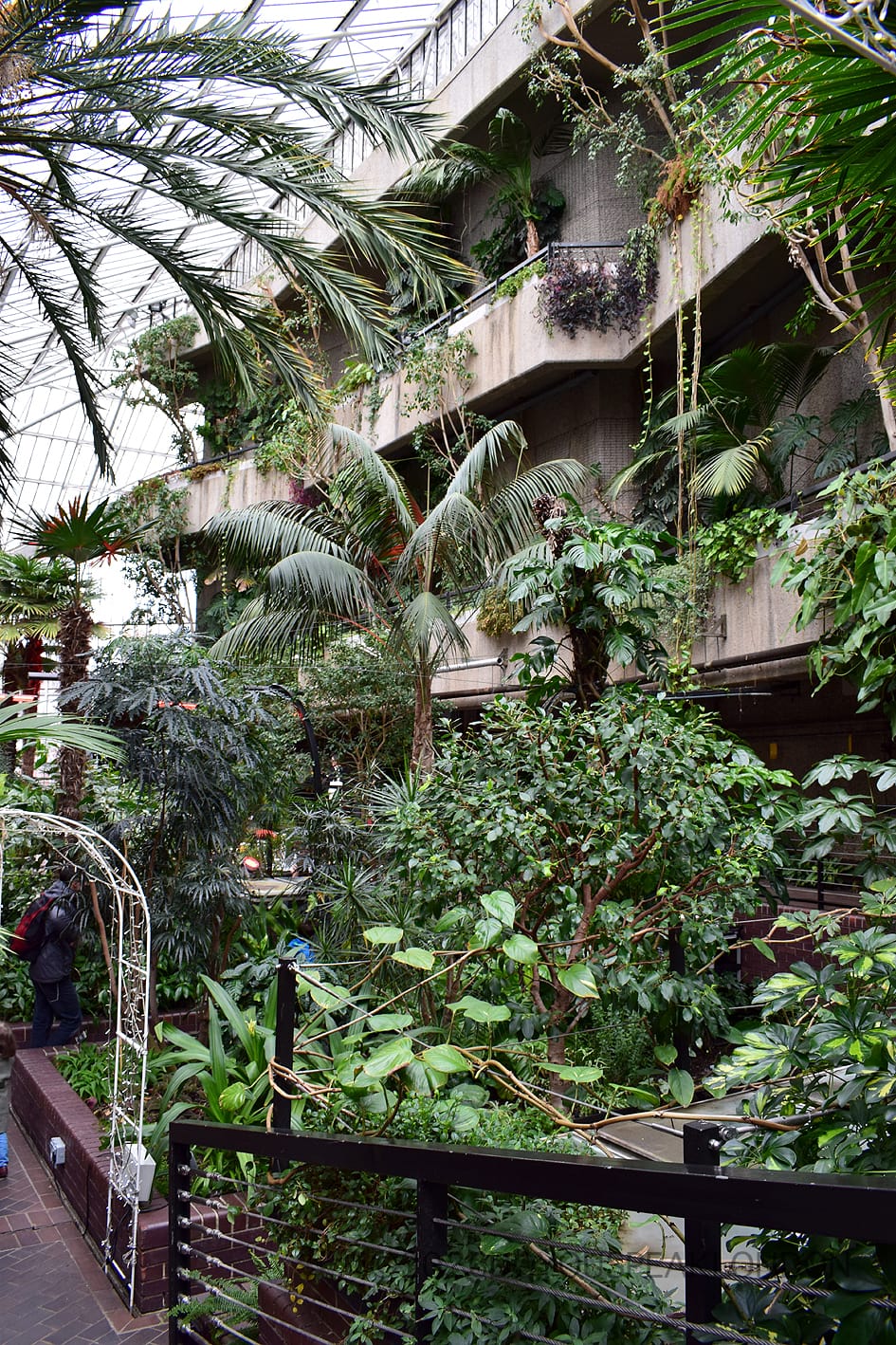
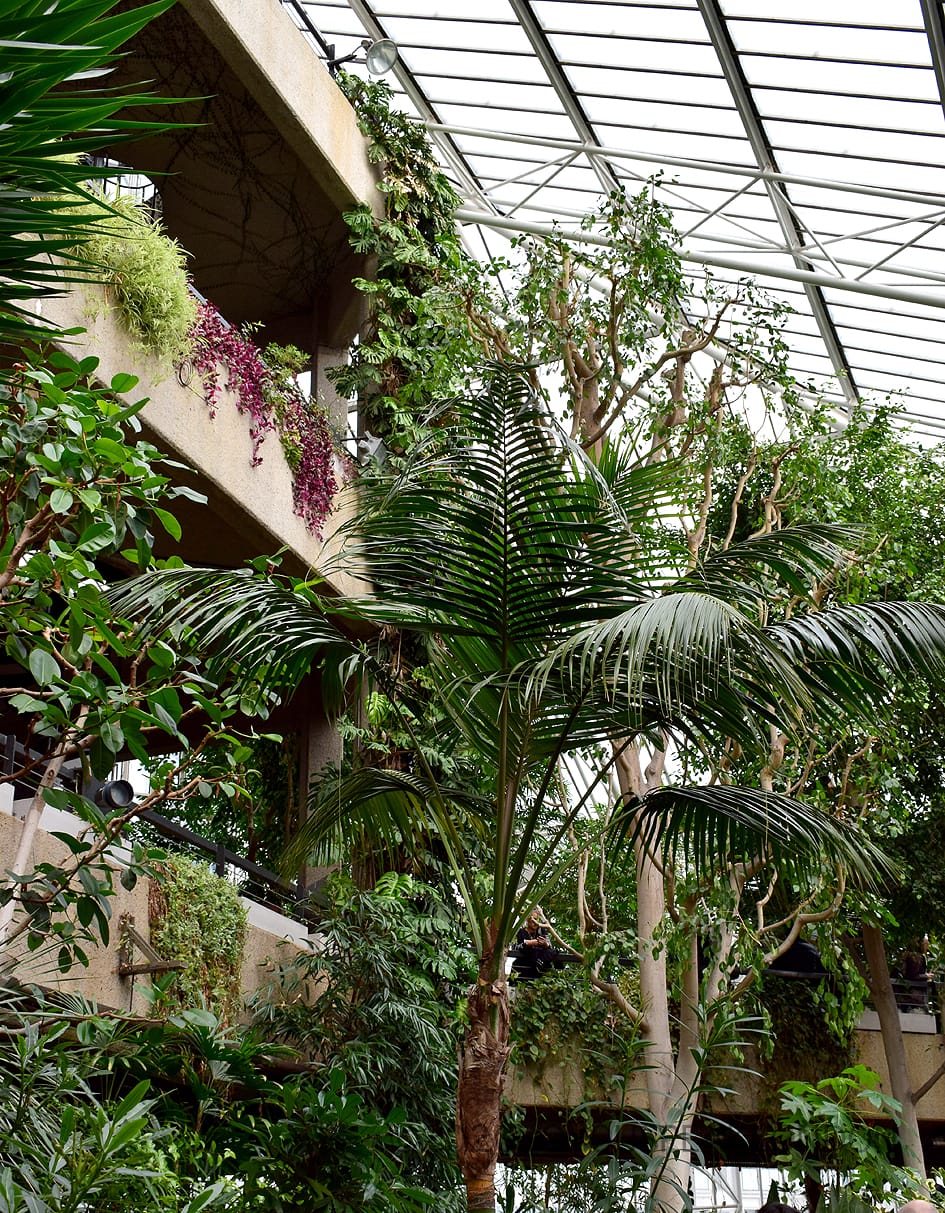
And then there are the pools.
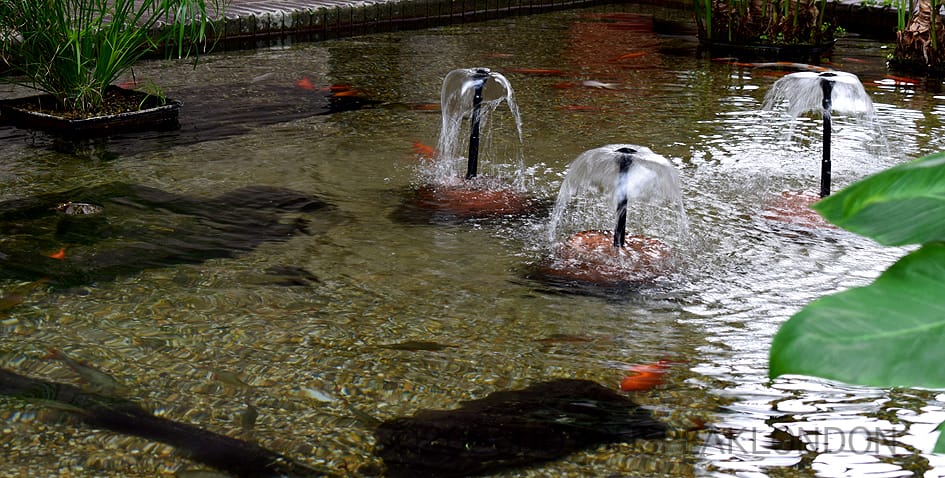
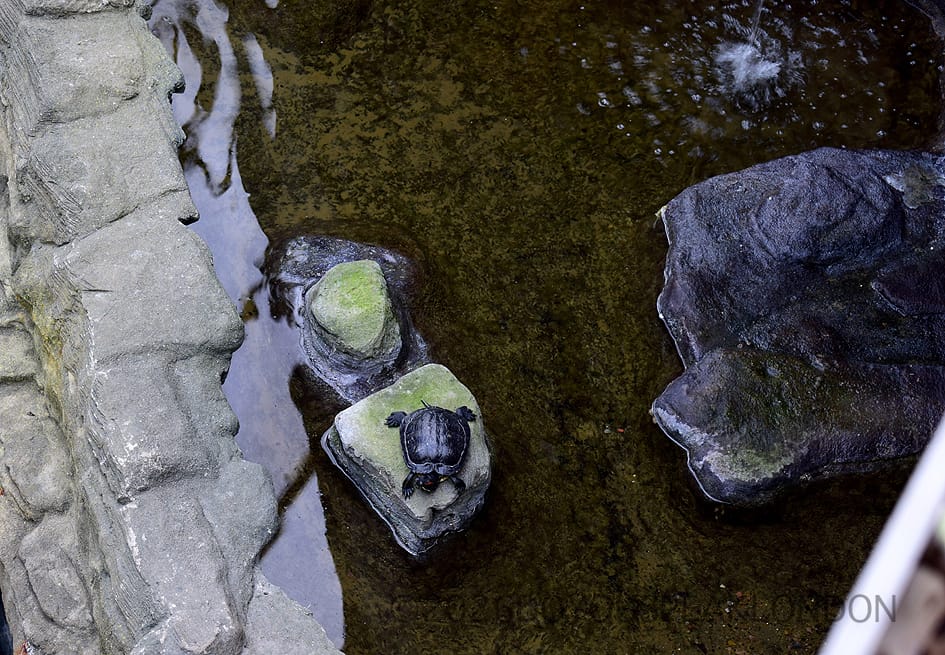
Look closely and you’ll spot koi, carp and other cold-water fish moving through the water, while a smaller pool provides a home for terrapins.
What makes The Barbican Conservatory so special
A tropical escape hiding in the City
Step through the doors on Level 3 and the noise of the City of London seems to disappear. Concrete gives way to lush greenery, towering palms and jungle-like foliage.
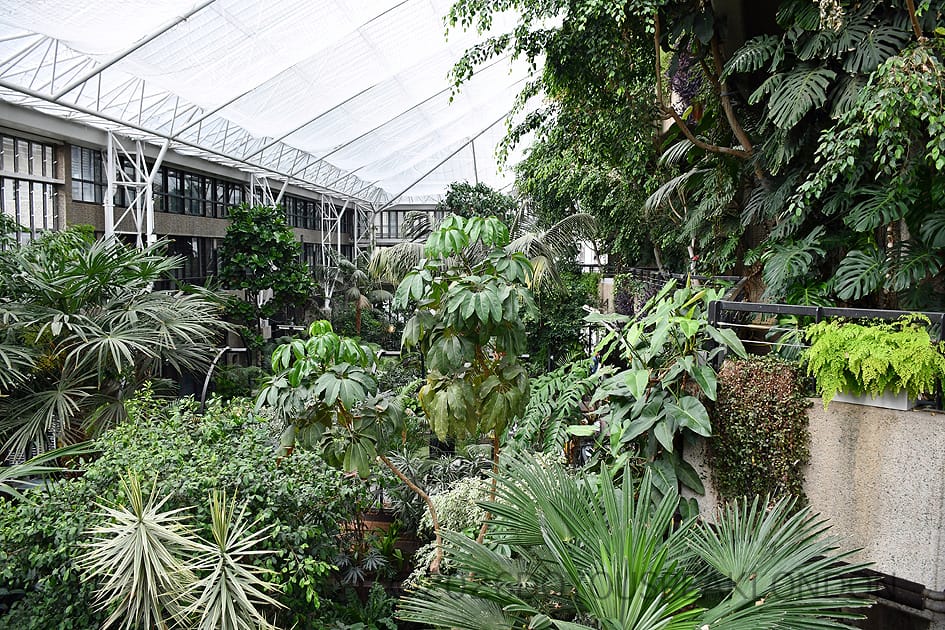
Brutalist architecture and rainforest plants shouldn’t really work together, but somehow they do. And that unexpected contrast is what makes the Barbican Conservatory so special.
A genuine paradise for plant lovers
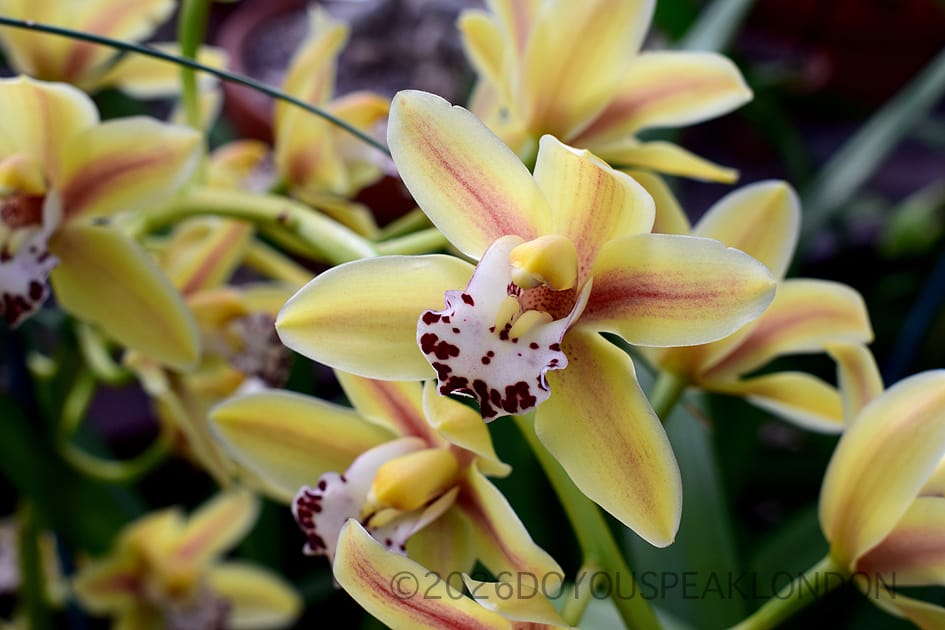
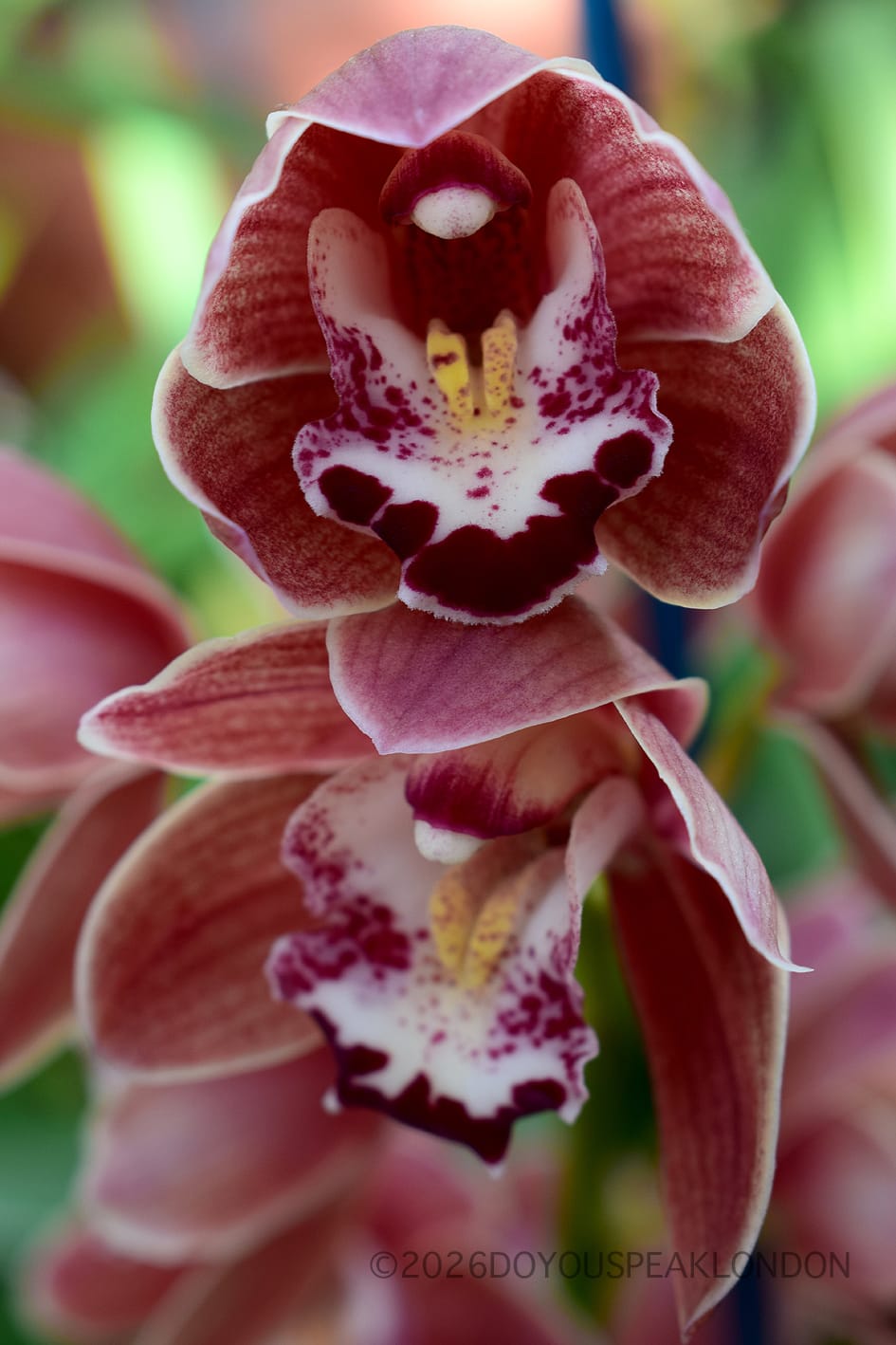
There are around 1,500 species of plants and trees here, from delicate orchids and ferns to huge monstera and towering palms.
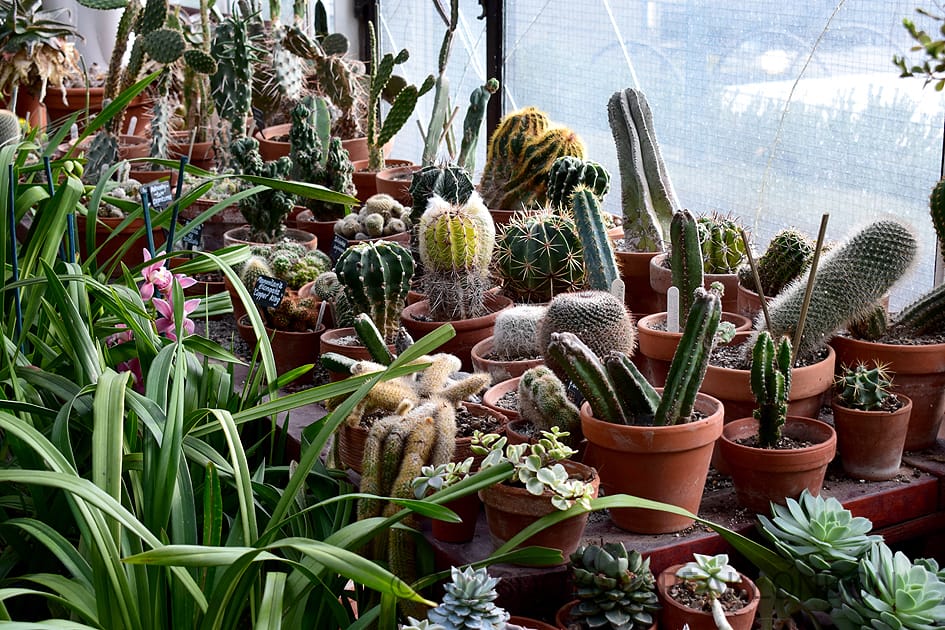
It’s not just greenery for decoration either: the Conservatory is a real horticultural collection, cared for by a dedicated team. Some areas are also kept behind the scenes or closed to visitors, so not everything is currently on display.
A brilliant, low-key spot for a date
It’s quiet and atmospheric, with a slightly secret feeling as you step inside...
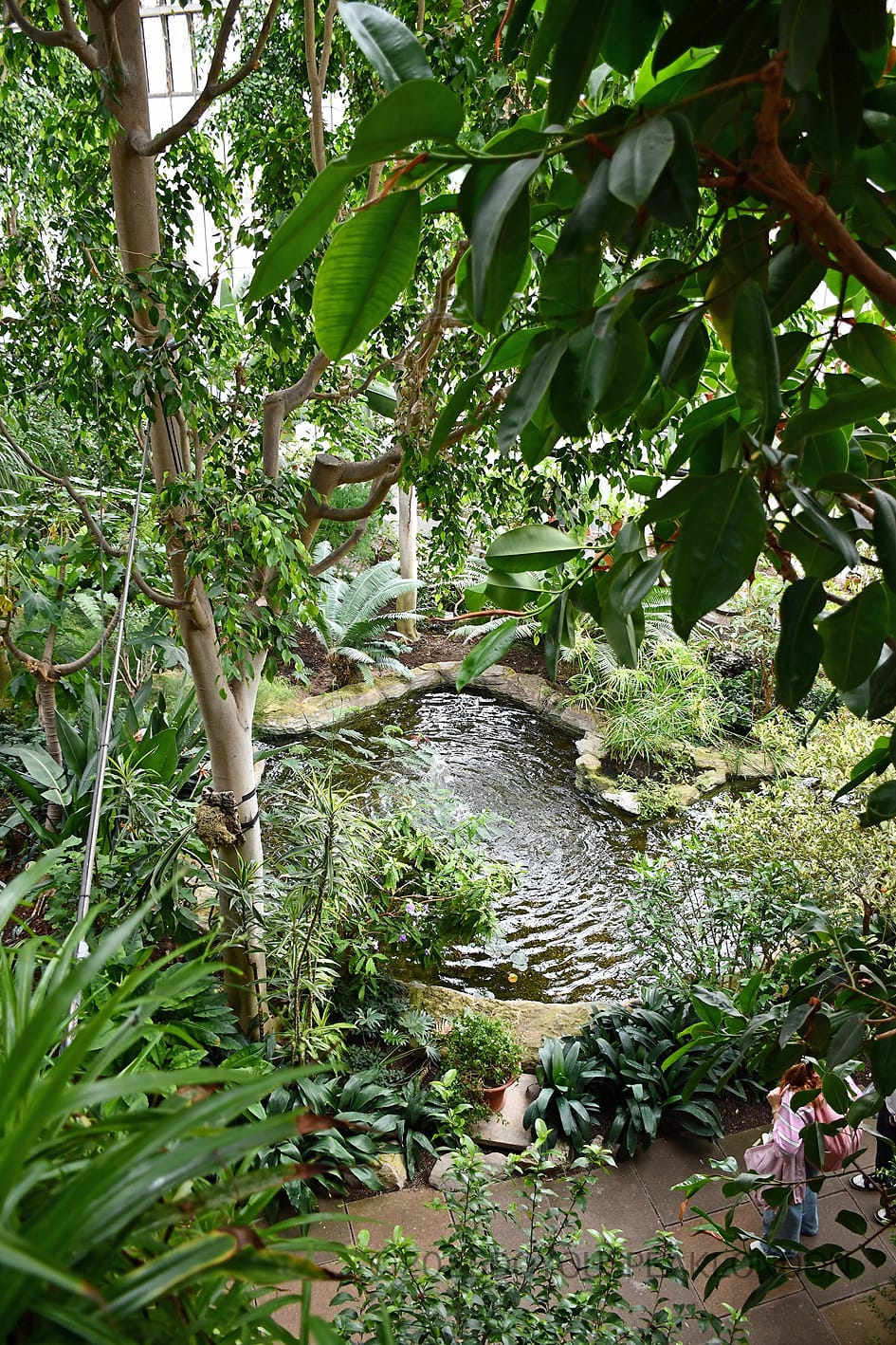
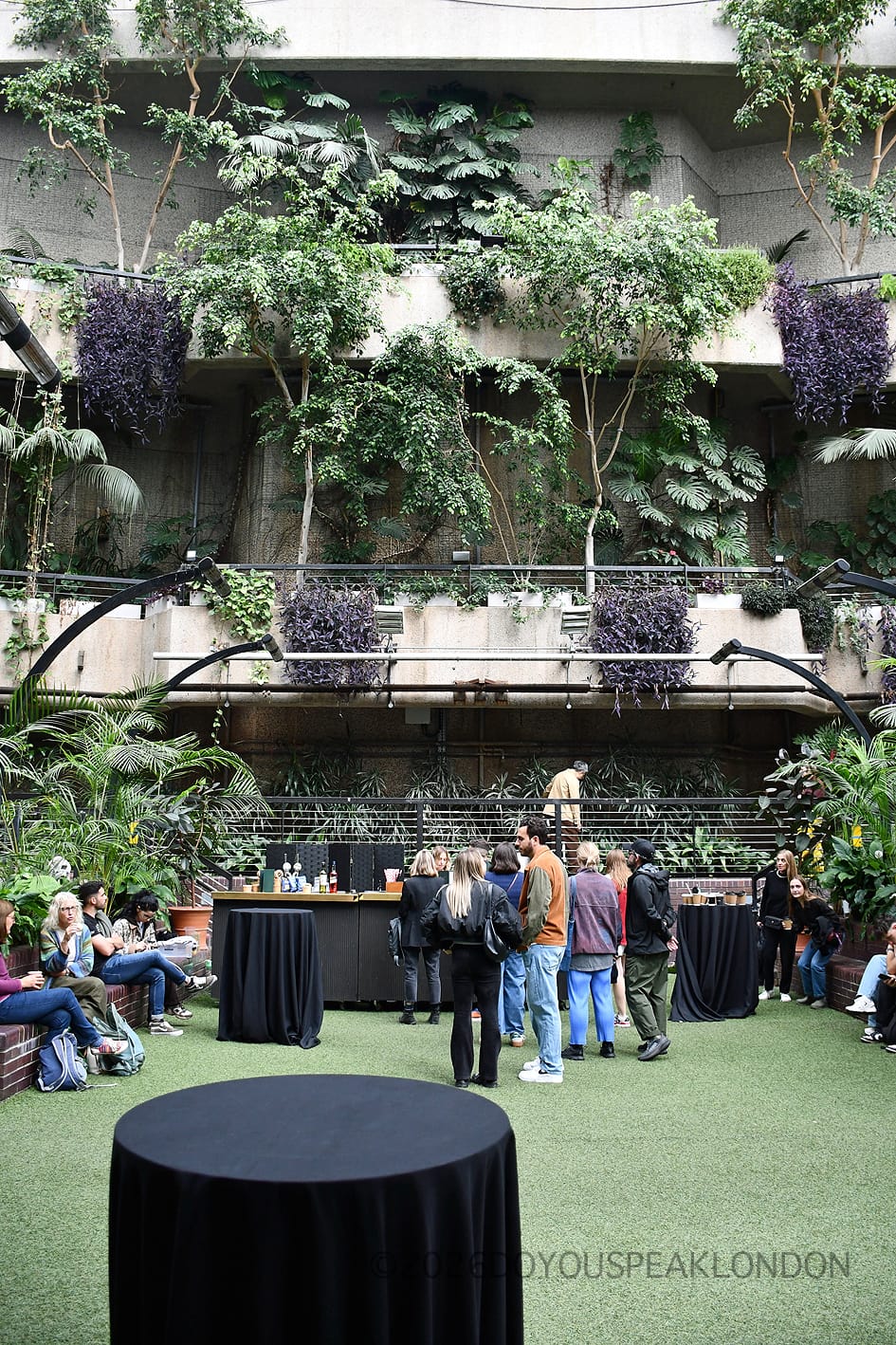
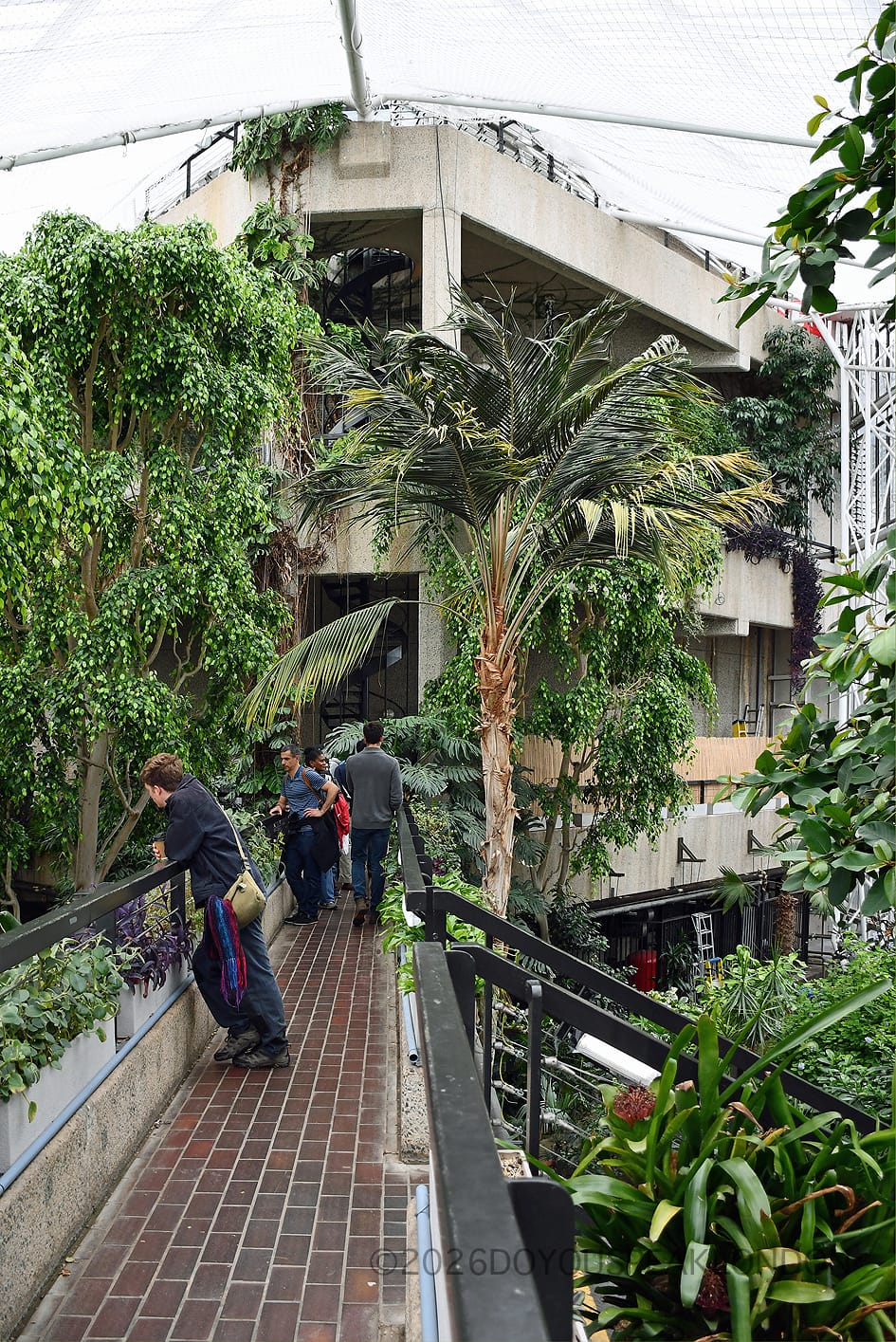
There’s a bar in the middle of the Conservatory: perfect for a date surrounded by greenery!
Wandering the upper walkways with someone you like, koi ponds below, is one of the more romantic things you can do in London for free!
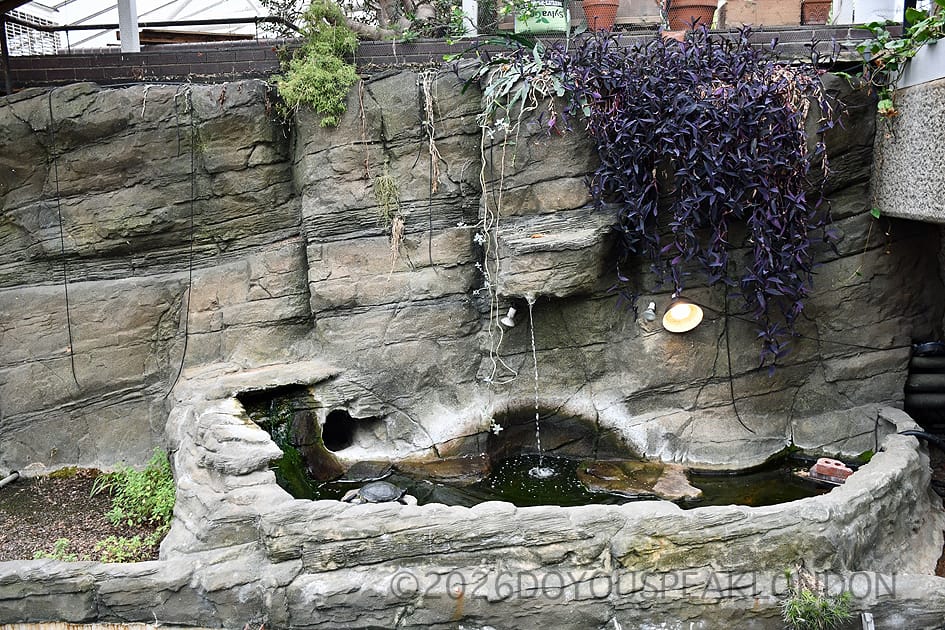
On my most recent visit, I noticed new bridges connecting different sections, plus reworked paths that made the whole layout feel more intentional than my first trip a few years back. Not to be missed!
And it's completely free!
Admission has always been free, funded by donations rather than ticket sales. In a city where everything seems to come with a price tag, that still feels pretty special!
Why The Barbican Conservatory is worth visiting
Because it sits inside the Barbican Centre itself, a visit here rarely stands alone.
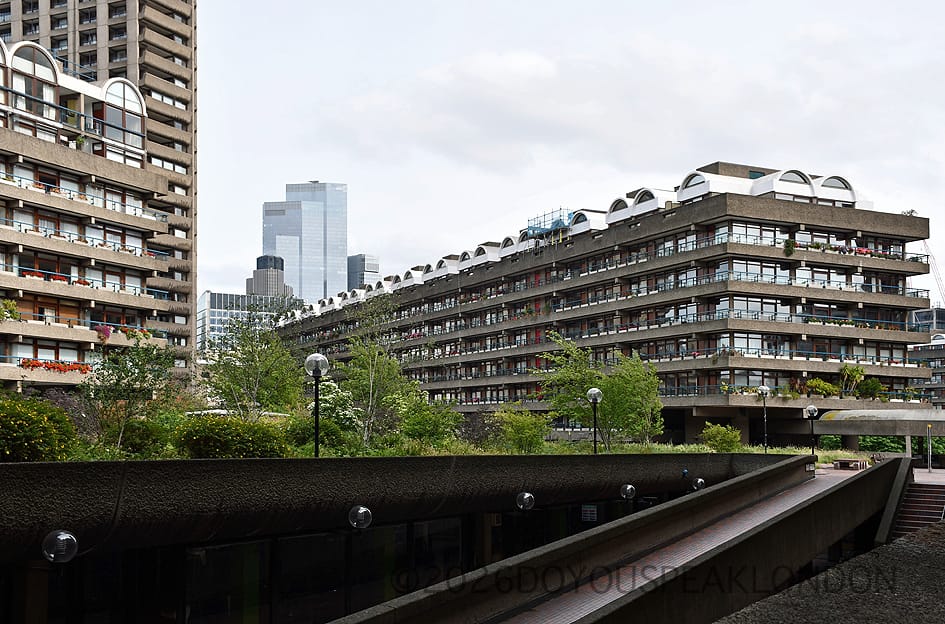
I usually build my trip around it: an hour in the greenhouse, then straight into whatever’s on at the Barbican Art Gallery, the cinema, or the concert hall next door.
The Conservatory also hosts a programme of events, from workshops and talks to performances and family activities, so it’s worth checking what’s on when you book.
The surrounding area is also worth exploring, and genuinely good for food. If you’re making a day of it, I’d point you towards Chez Mal, which I reviewed recently and still think about!
There’s also something to be said for the timing. Tickets are free but limited, released a month in advance online, with a smaller same-day batch released at 9.30am on days the Conservatory is open.
And right now, there’s a much bigger reason to move it up your list: The Barbican Conservatory is closing from early 2027 for a three-year restoration, part of the wider £231 million Barbican Renewal programme!
It's expected to reopen in 2030, fully accessible, replanted, and open daily rather than a few times a week. The upgrade will fix long-standing issues with the ageing glass, heating and waterproofing.
It'll almost certainly be a better Conservatory when it returns.
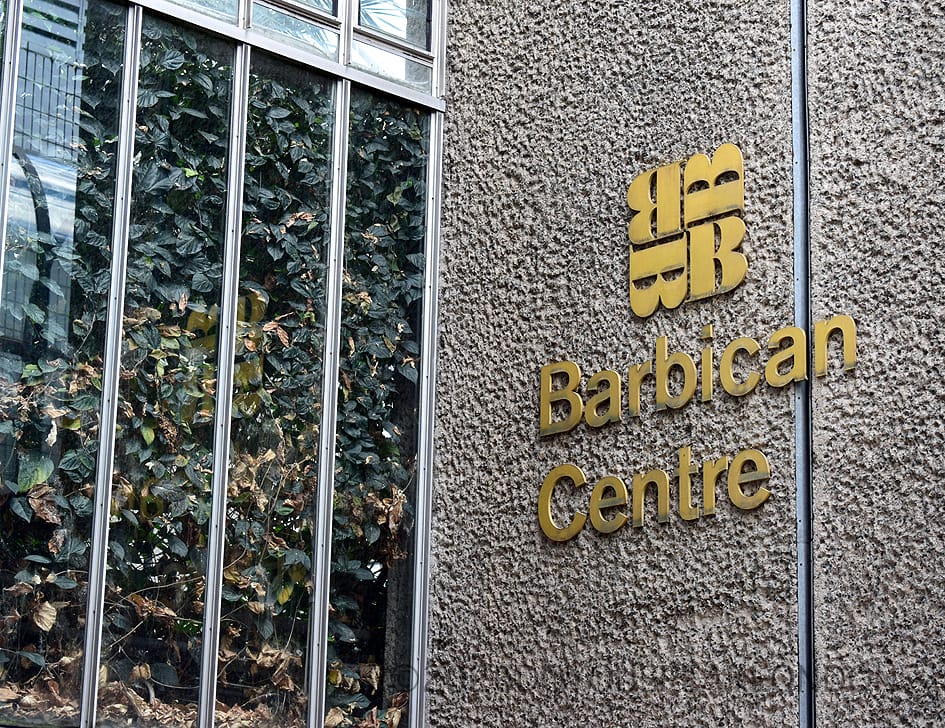
Whether you're a plant obsessive, a Brutalist architecture fan, or just after somewhere different for a Sunday afternoon, the Barbican Conservatory delivers something few London attractions manage: a genuine sense of surprise!
Feeling inspired? If you're planning a visit to the Barbican Conservatory, I'd love to hear about your experience on DOYOUSPEAKLONDON!
EXPLORE MORE OF MY LONDON FAVOURITES HERE!
FOLLOW ME ON INSTAGRAM FOR MORE INSPIRATION!
Everything you need to know about The Barbican Conservatory
Address: Barbican Centre, Silk Street, London EC2Y 8DS (entrance via Level 3/4, follow signs from the Sculpture Court)
Tickets: Free, but booking is essential. Released one month in advance online, with a limited number of same-day tickets released at 9.30am on open days.
Opening hours: Open on selected days only, typically Fridays 6.30–9.30pm and weekends 12–7pm, though this varies with private events. Always check the Barbican's "What's On" page for current dates before visiting.
Website: barbican.org.uk
Important update: The Barbican Conservatory will close in early 2027 for a three-year restoration, reopening in 2030. If it's on your list, now really is the time to go.
Barbican Conservatory | Barbican Conservatory London | London Barbican Centre | Hidden gems London | Free things to do in London | Tropical garden London | London greenhouse | Visit London.