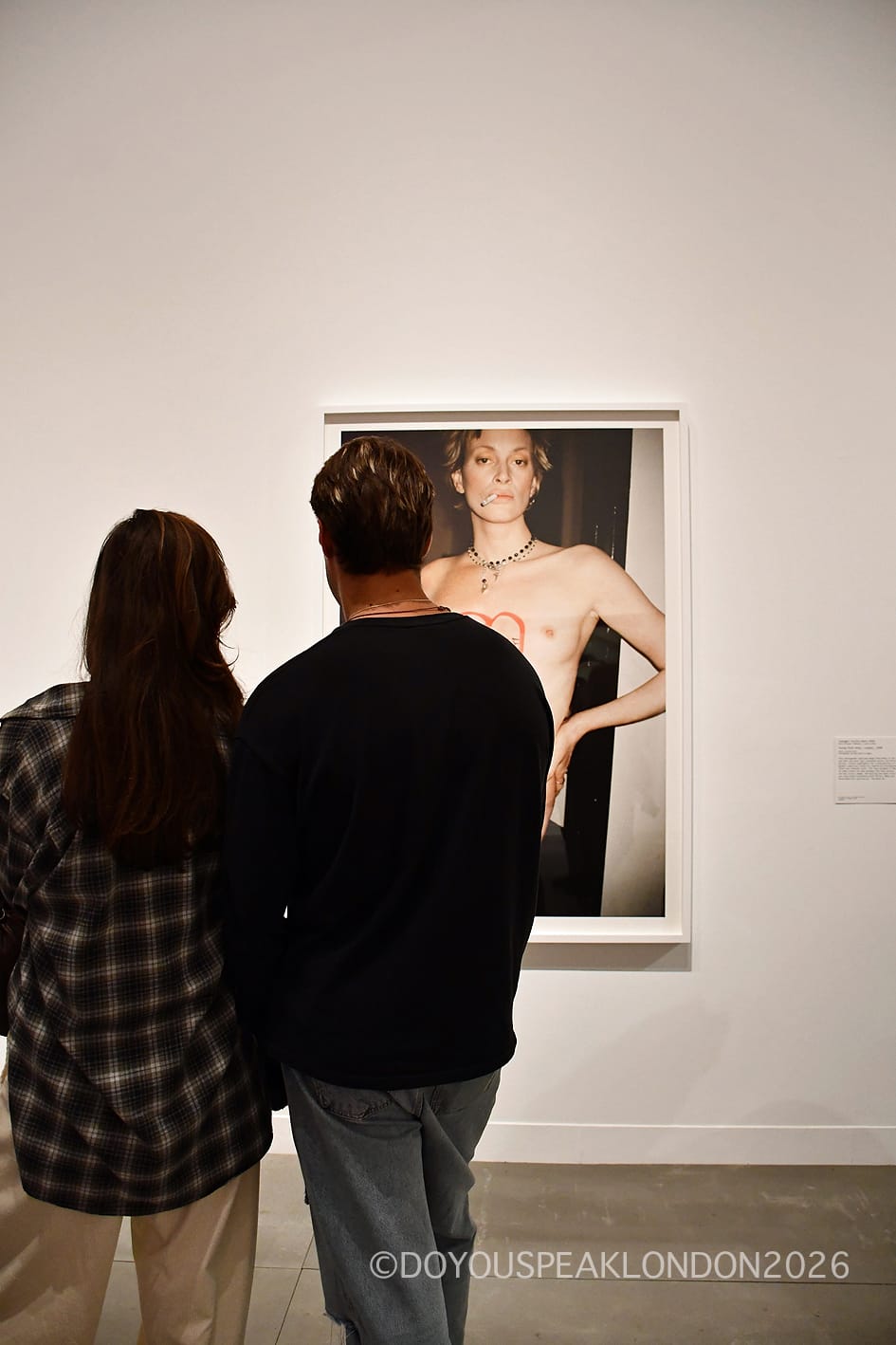
In 1996, model Kristen McMenamy was dropped from a Versace campaign. So a young fashion editor wrote Versace on her chest in red lipstick, and Juergen Teller took the picture!
That editor was Edward Enninful. Thirty years later, the photo hangs in The 90s: Art and Fashion, the exhibition he curated at Tate Britain, on the Thames at Millbank.
Today, DOYOUSPEAKLONDON takes you back to the decade of Kate, Naomi, McQueen and the YBAs! 💿
Edward Enninful and the 90s: the story behind the exhibition
Edward Enninful was just 18 when he became fashion director of i-D magazine in 1991, the youngest ever. He later became the first Black editor-in-chief of British Vogue, so the 90s really are his decade!
Britain started the 90s in a recession, just after Margaret Thatcher resigned in 1990. A new generation of artists, photographers and designers answered with a DIY attitude.
Magazines like i-D, The Face and Dazed & Confused shot real people and their friends, with no retouching. This raw new style was called ‘grunge’ or ‘anti-fashion’.
It's the first exhibition to explore the art, photography and fashion of the 1990s together, with more than 100 works by nearly 70 artists, photographers and designers.
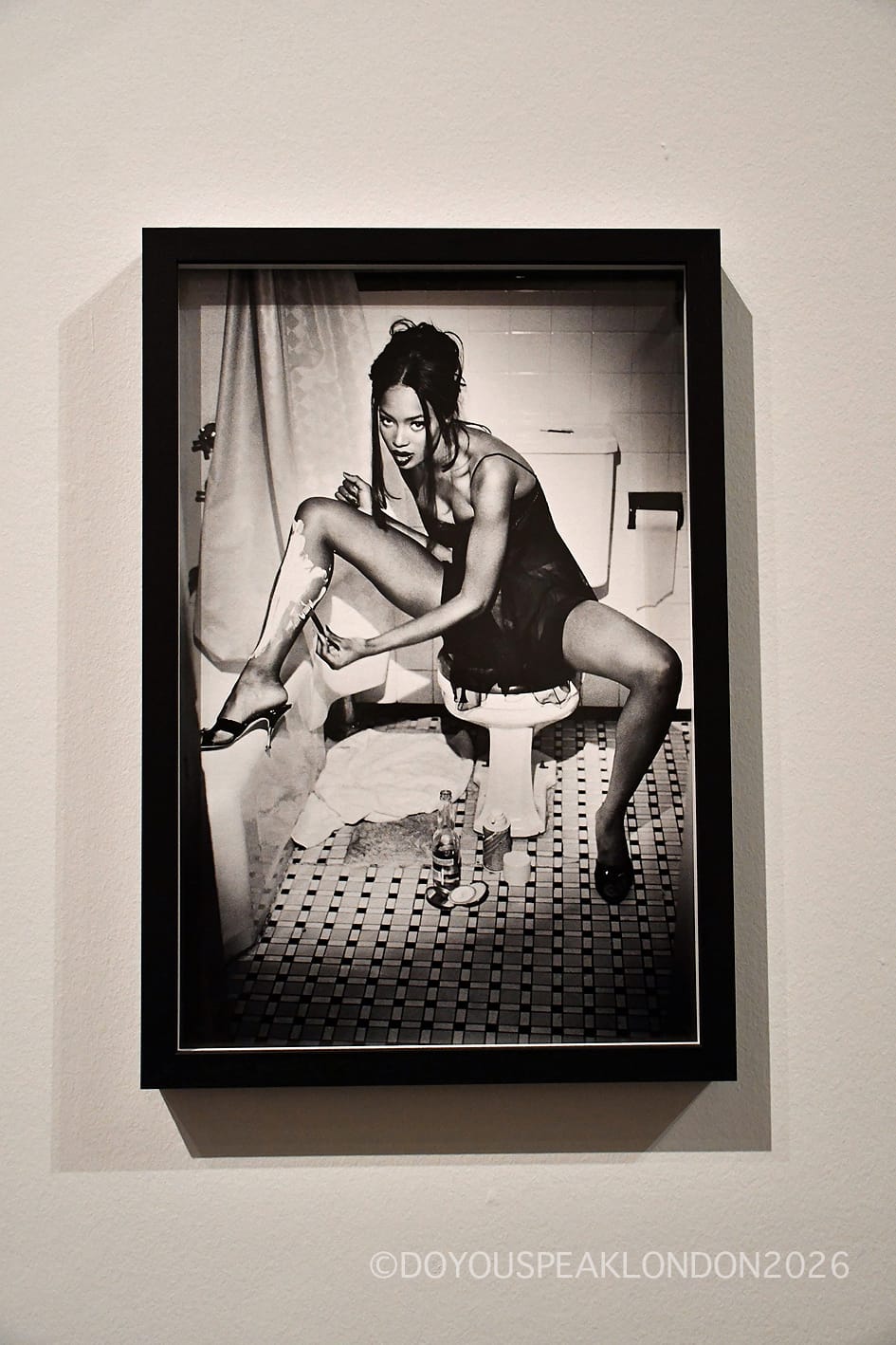
Fun fact: Ellen von Unwerth's playful shot of Naomi Campbell shaving her legs, Baby Woman (1994), became the cover of Naomi's only album. She named it Babywoman after designer Rifat Ozbek's nickname for her!
Inside The 90s at Tate Britain, room by room
The exhibition is spread over seven rooms, each with its own side of the decade.
Be real: grunge portraits and a wall of bottoms
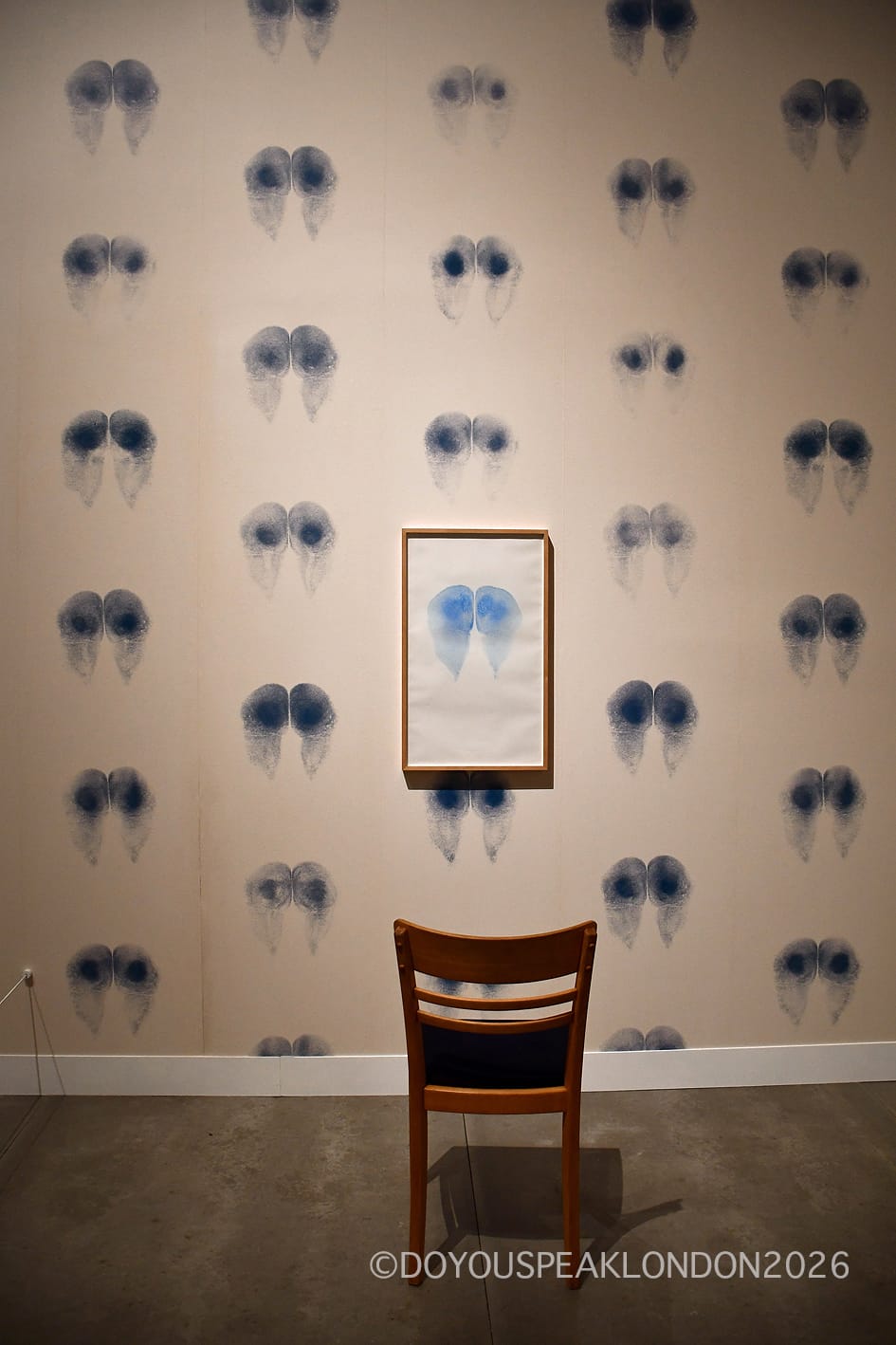
The first rooms are all about real life and the body. Have a look at the blue wallpaper: it's Abigail Lane's Bottom Wallpaper, printed from a model who sat on the ink-pad chair in front of it!
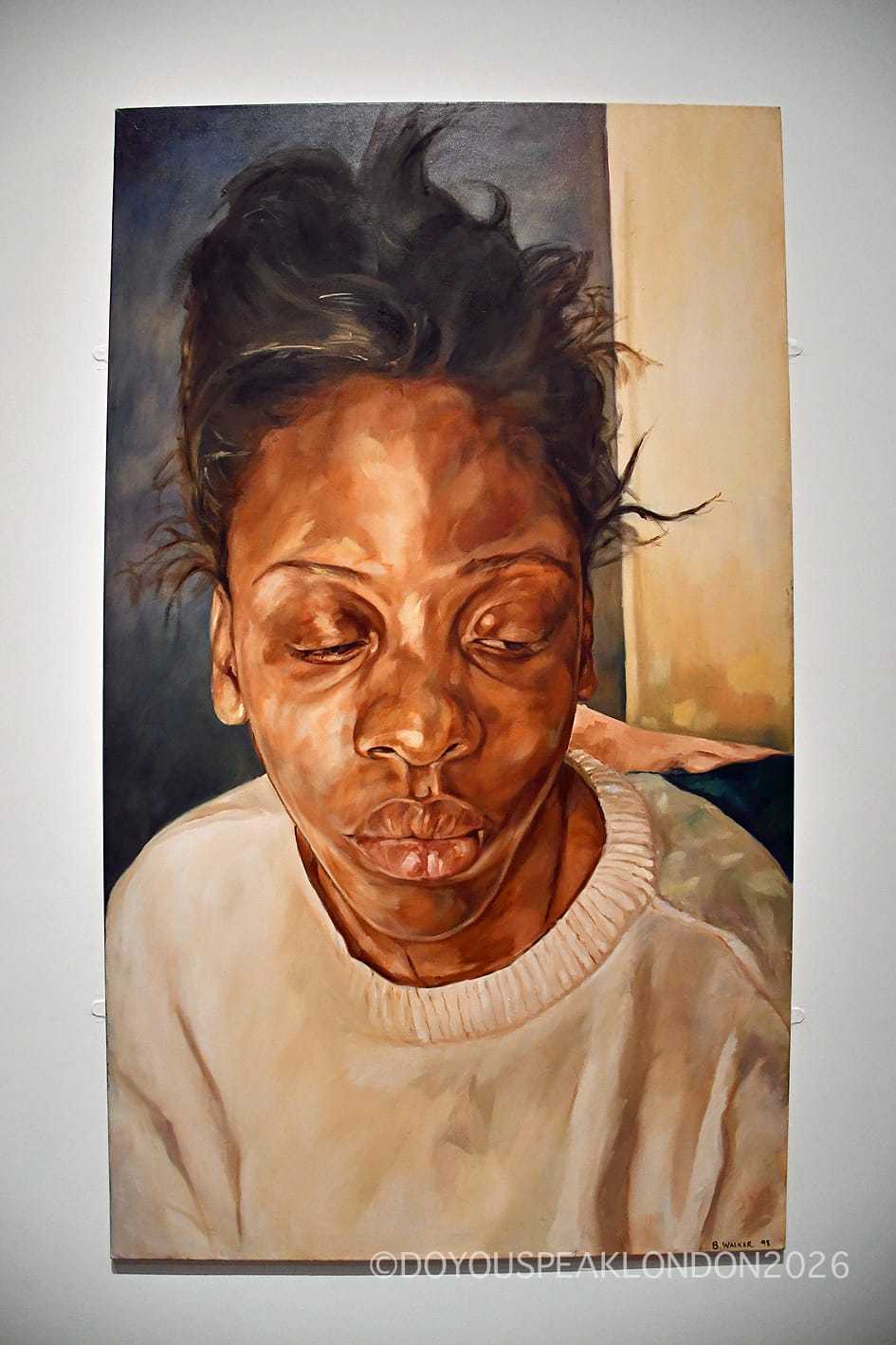
Lane called it ‘a kind of artistic mooning’! Nearby, Barbara Walker paints a young woman very close up, eyes closed.
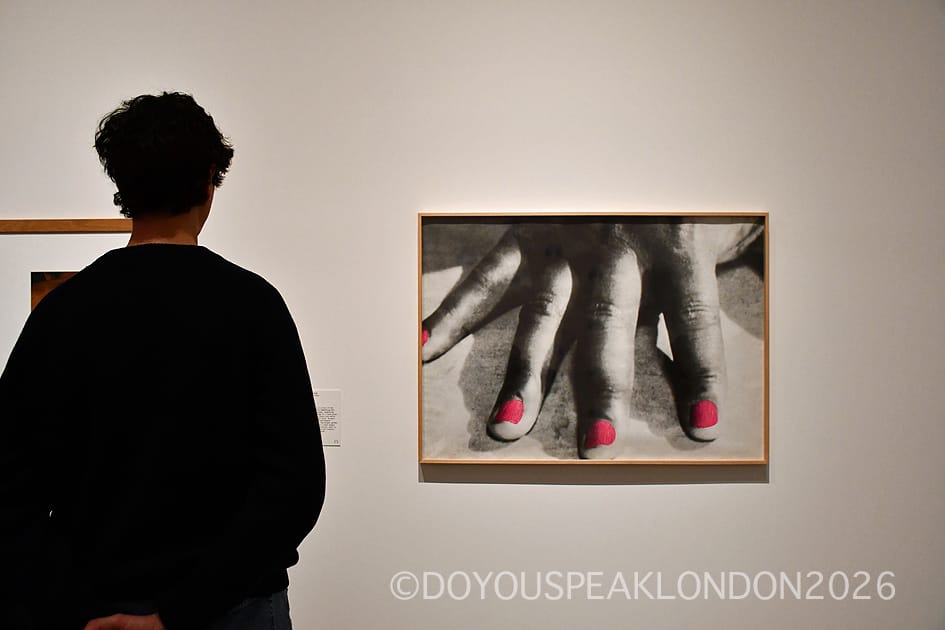
Steve McQueen's Pink Nails (1999) is a close-up of hands and bright pink nails, simple and so striking.
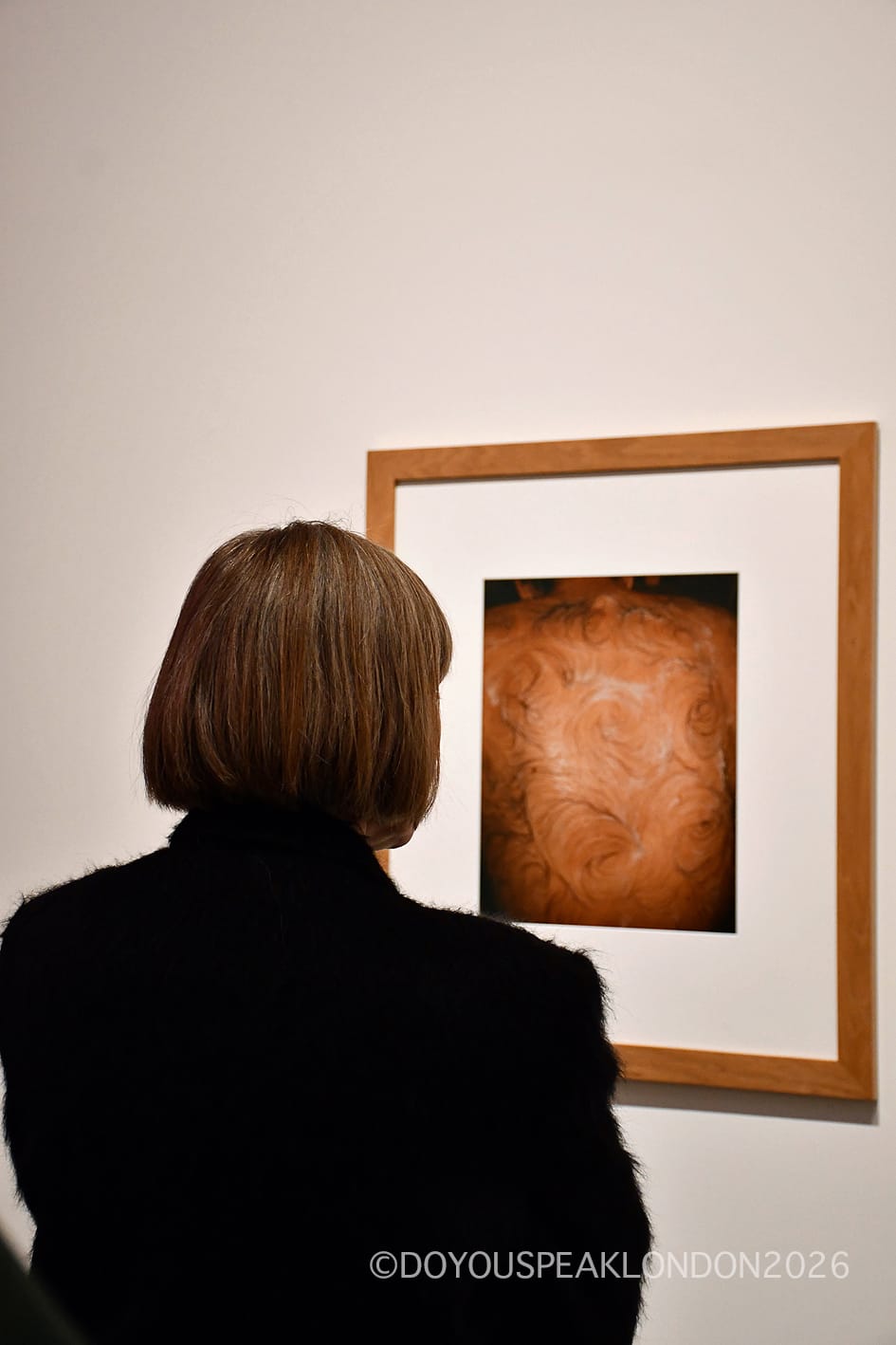
And look closely at Mona Hatoum's Van Gogh's Back (1995) below: it's a man's wet, soapy back, with the hair swirled like the sky in Van Gogh's The Starry Night! What do you think??
Raves, squats and club nights
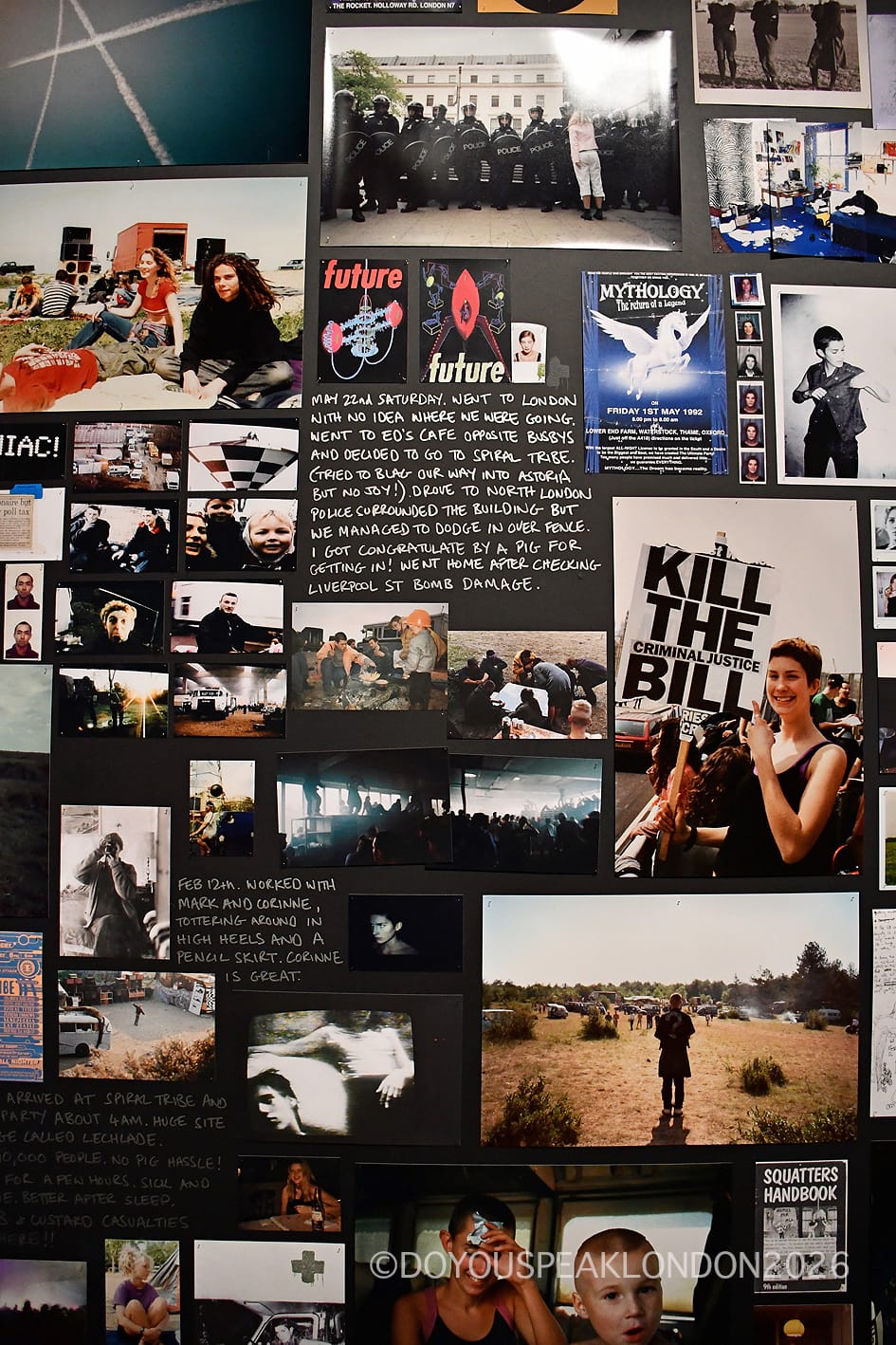
Then the walls turn black: acid house, jungle, queer club nights and raves, it's the 90s after dark!
This room shows how music drove a real cultural revolution in 90s Britain. People danced at raves in fields and warehouses, at afternoon ‘daytimers’ for British Asian teens, and at queer nights that took over clubs on weeknights.
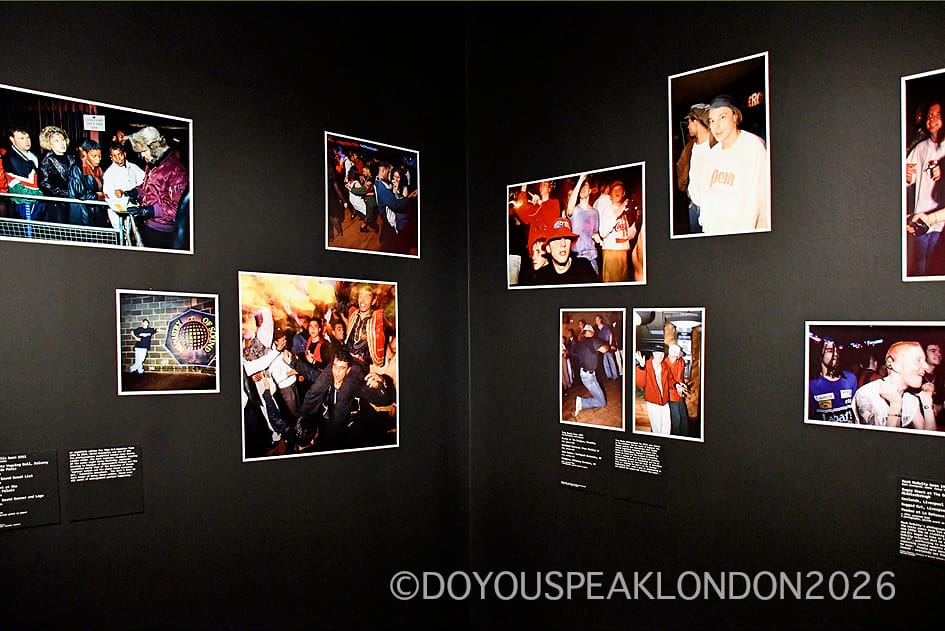
The dance floor was a place to try new things and to belong. Photographers working for i-D, Dazed & Confused and The Face captured the joy, the exhaustion and that feeling of being all together.
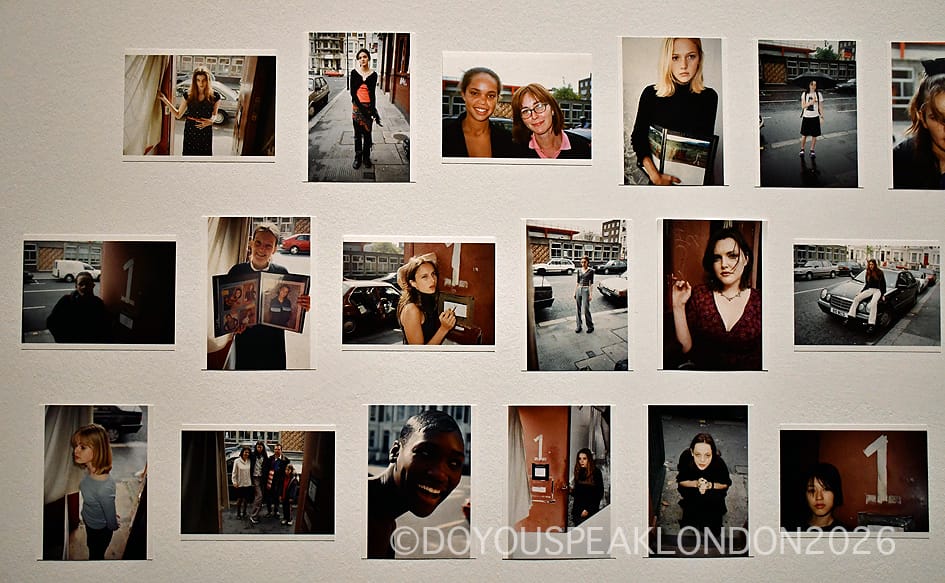
One wall, Subversive Joy by Vinca Petersen, is covered in photos, flyers and diary pages. In the early 90s, she lived in London squats and went to raves and free parties.
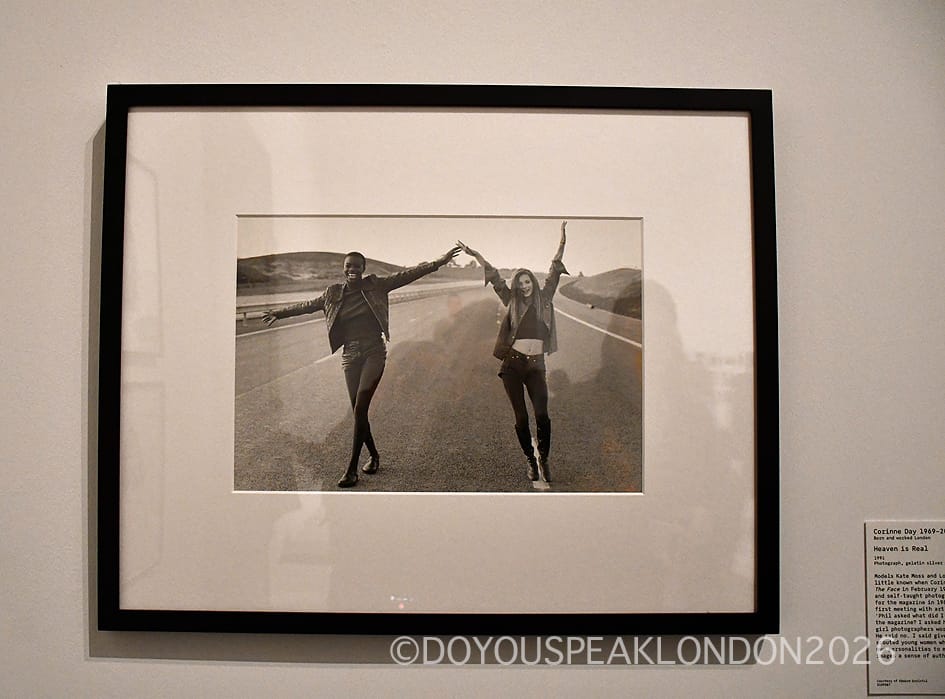
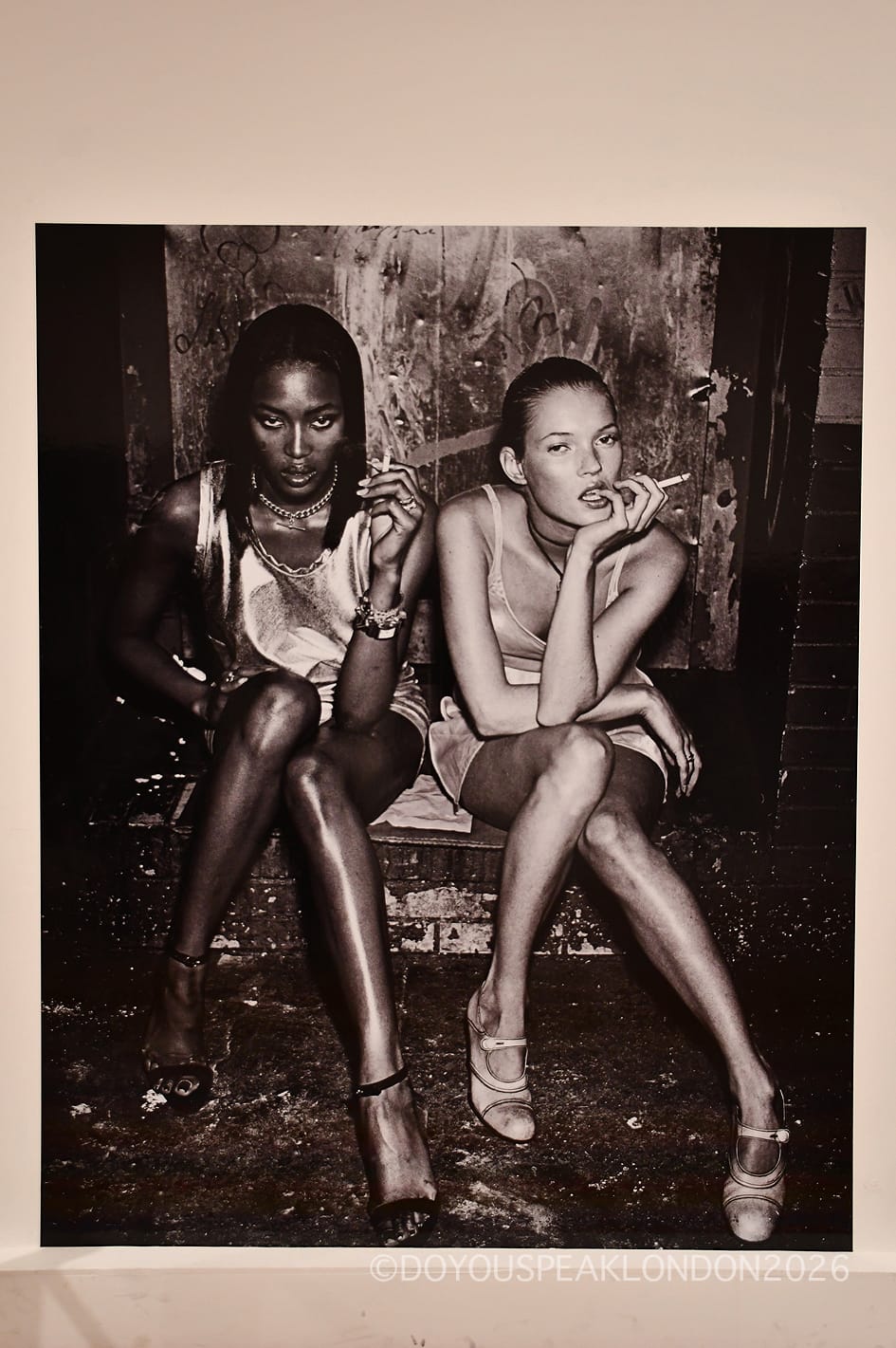
After the 1994 Criminal Justice Act cracked down on raves, she and her friends took their sound systems on the road across Europe, and she documented it all! And there's Kate Moss and Naomi Campbell, smoking on a scruffy doorstep.
Minimal and conceptual: a shark, a mirror and Concorde
Next comes a more minimal room, with a small shark floating in formaldehyde by YBA Damien Hirst.
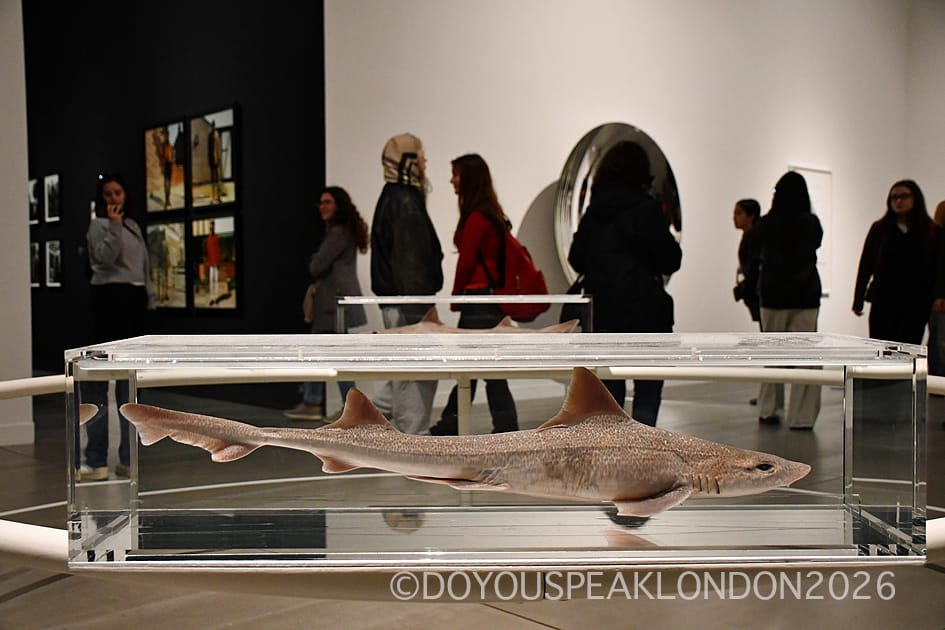
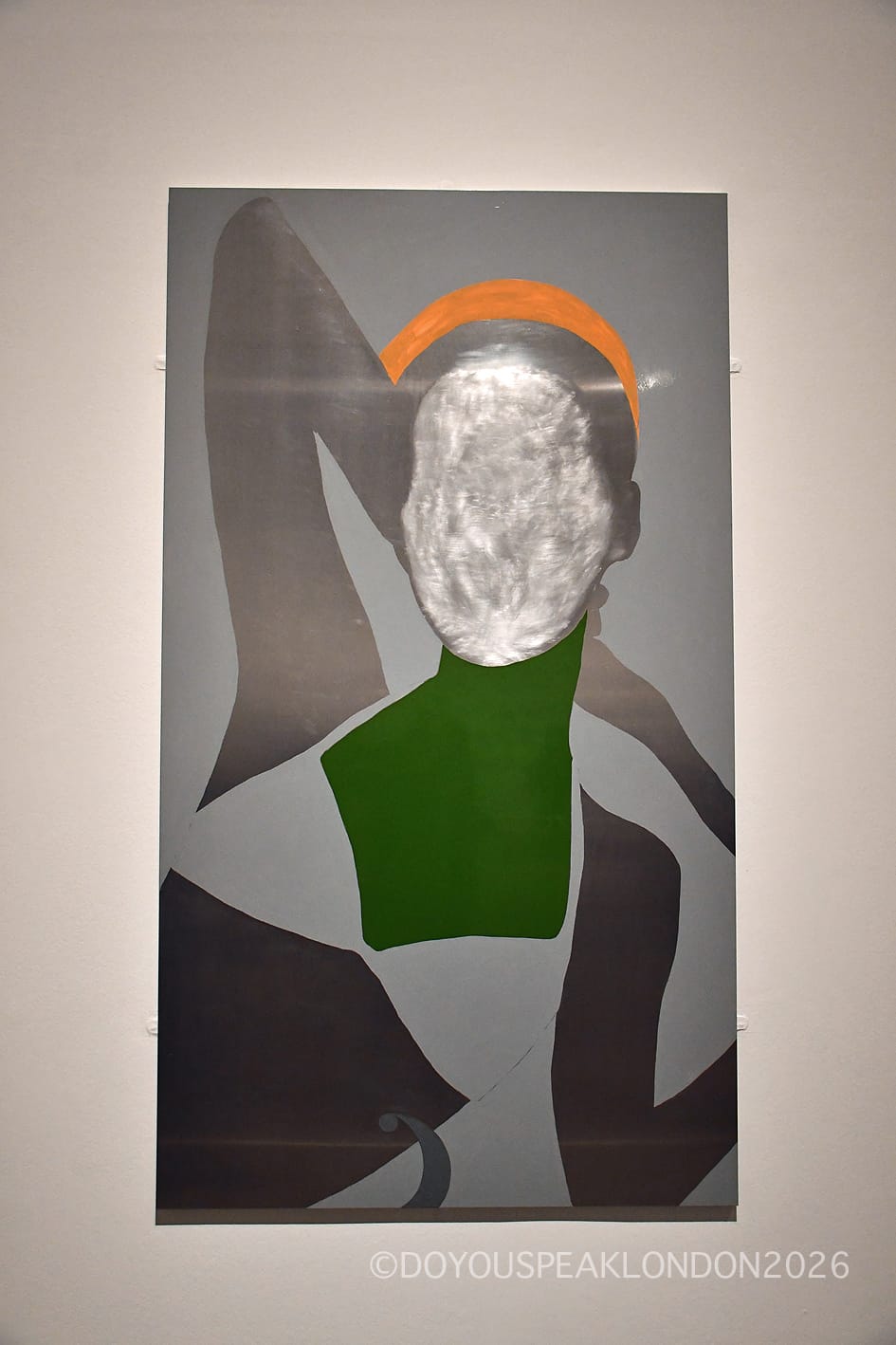
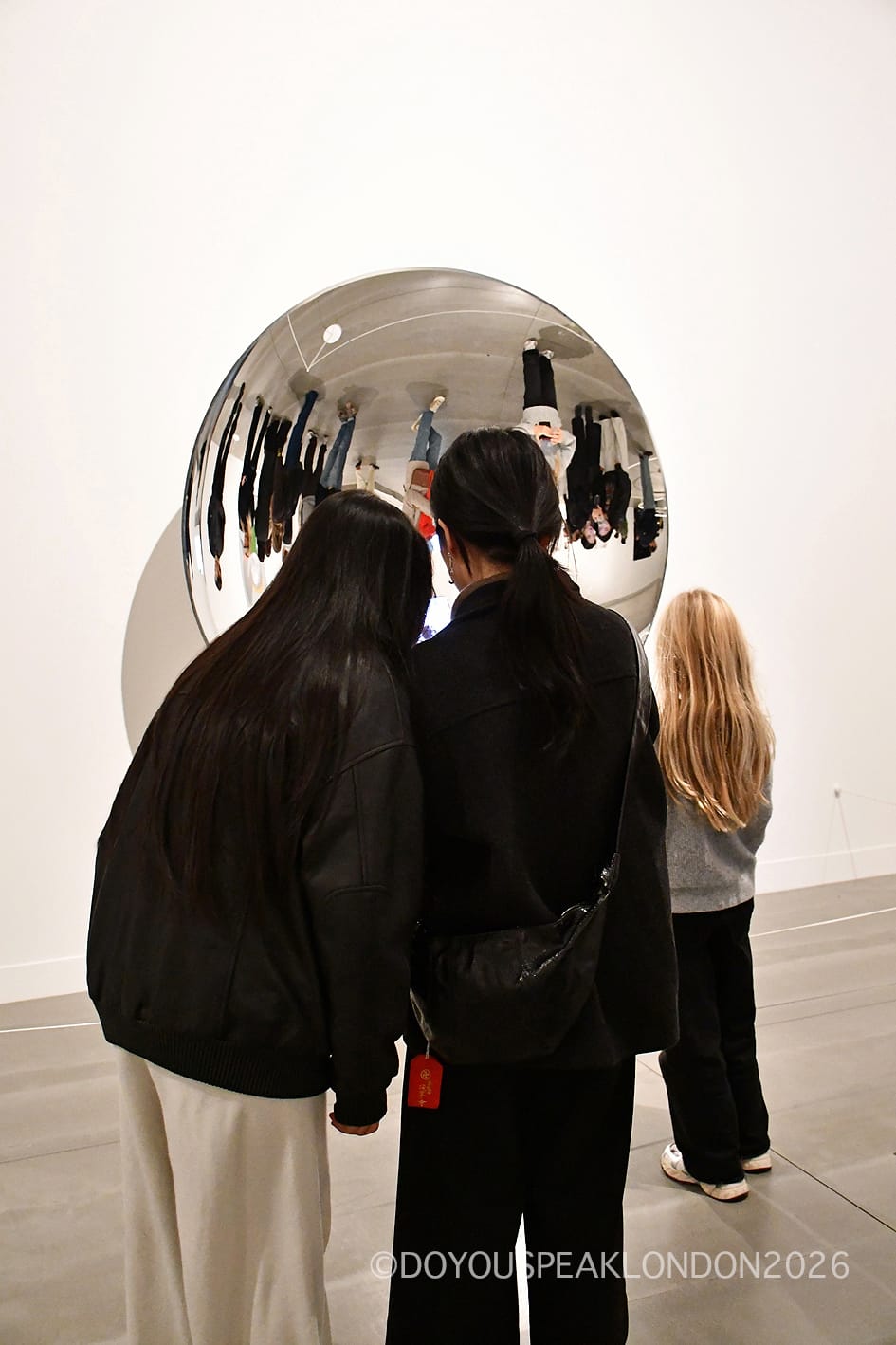
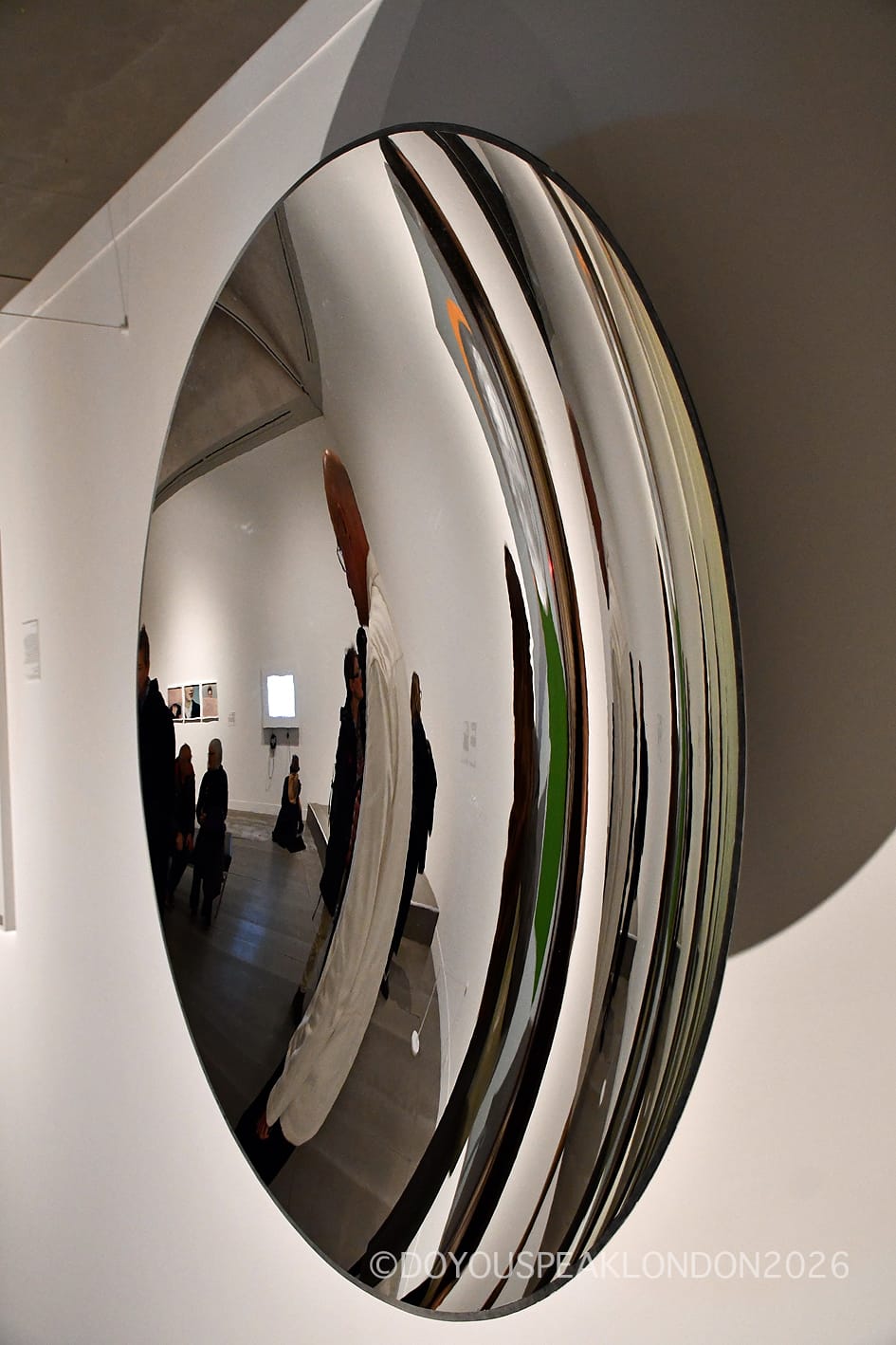
Gary Hume traced Kate Moss onto aluminium (below, left) and left her face blank in Kate (1996). Below right, Cerith Wyn Evans' concave mirror copies the curve of the human eye, so the whole room appears upside down!
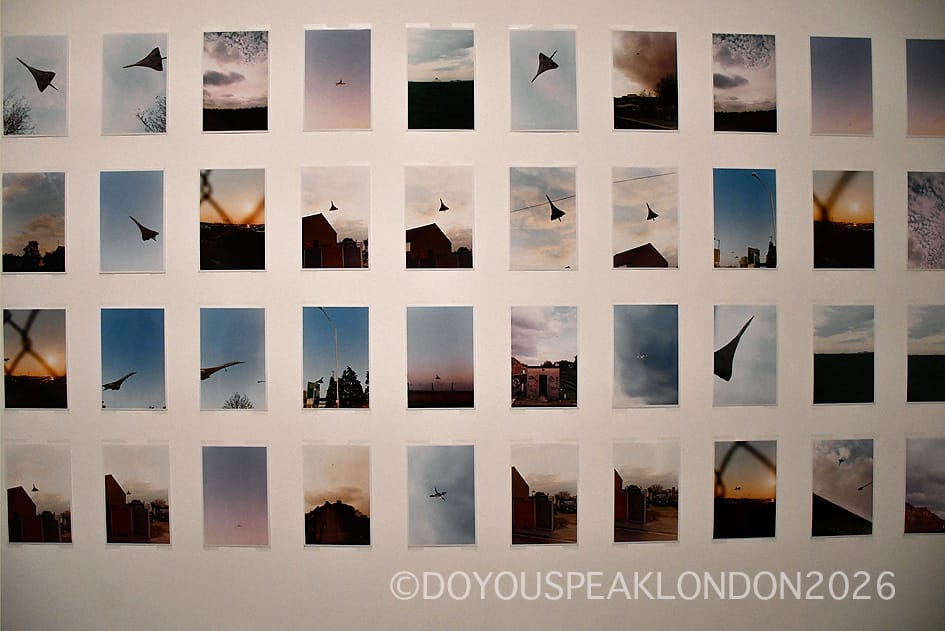
Further on, Wolfgang Tillmans photographed Concorde taking off and landing at Heathrow in 1997. His Concorde Gridbrings together 56 of these pictures.
Why Concorde? This supersonic plane, launched in 1976, could fly at twice the speed of sound. For Tillmans, it was a dream of beating time and distance with technology.
By the late 90s, that faith in the future was fading. He saw Concorde as the last link to a time of much bigger optimism, a lovely image just before the millennium!
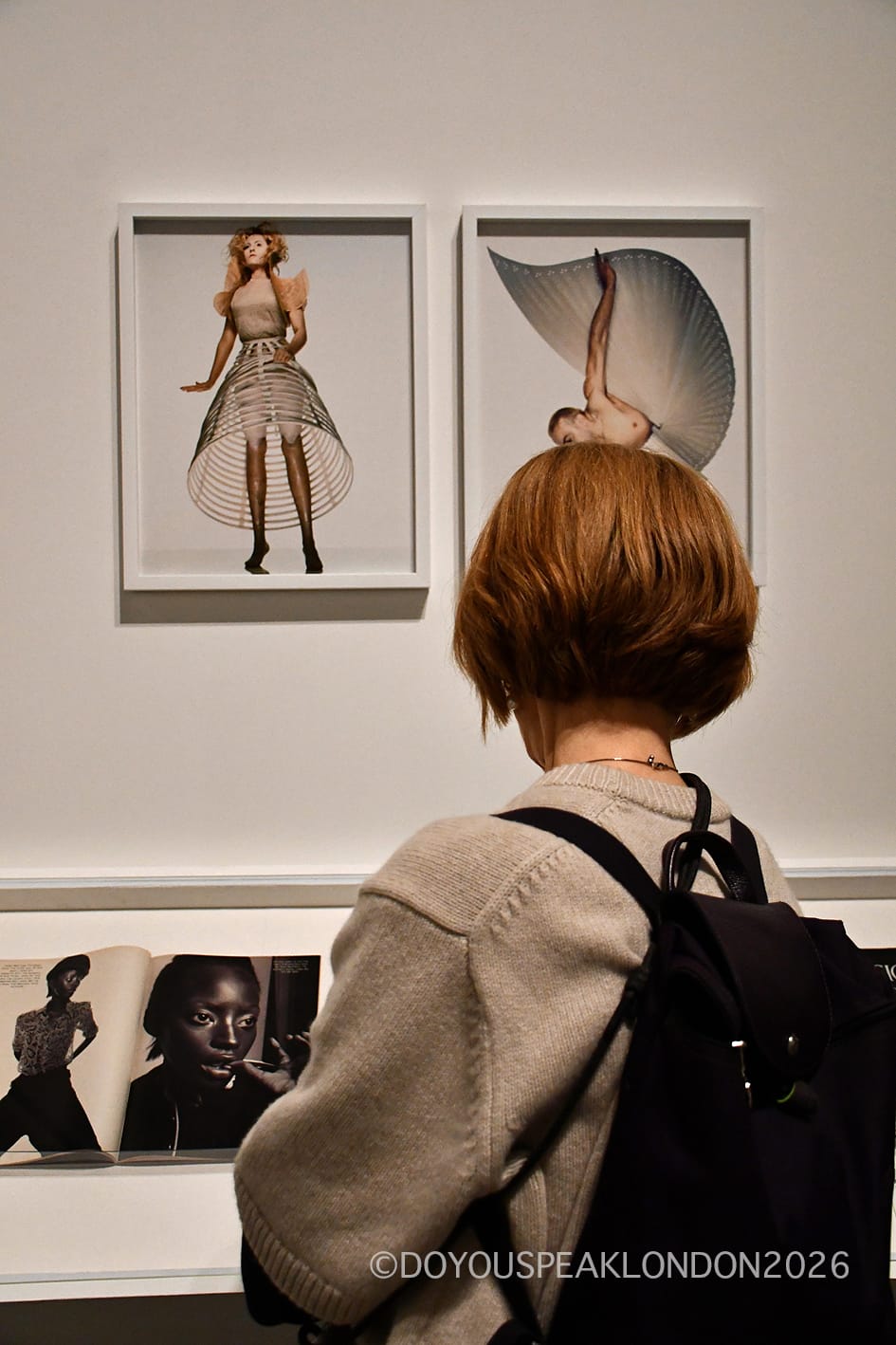
Artists weren't the only ones looking to the future. Fashion goes minimal too: Hussein Chalayan designed clothes that changed shape on the catwalk, inspired by architecture and technology!
McQueen's Joan of Arc gown
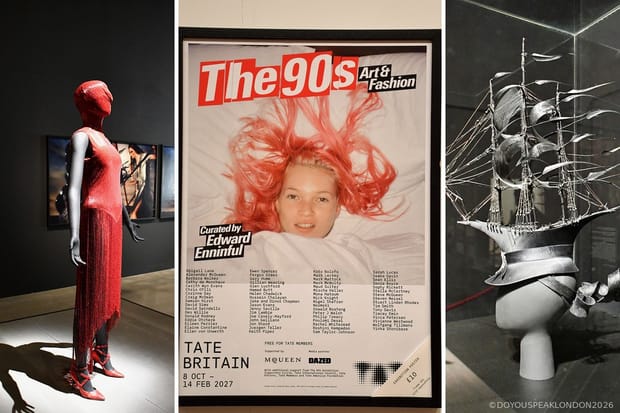
One of the stars of the show is Alexander McQueen's red beaded gown from his 1998 Joan collection, inspired by Joan of Arc. A video of the catwalk shows the model surrounded by a ring of fire.
Around it, a coiled metal corset and a silver, armour-like outfit shine in their glass cases.
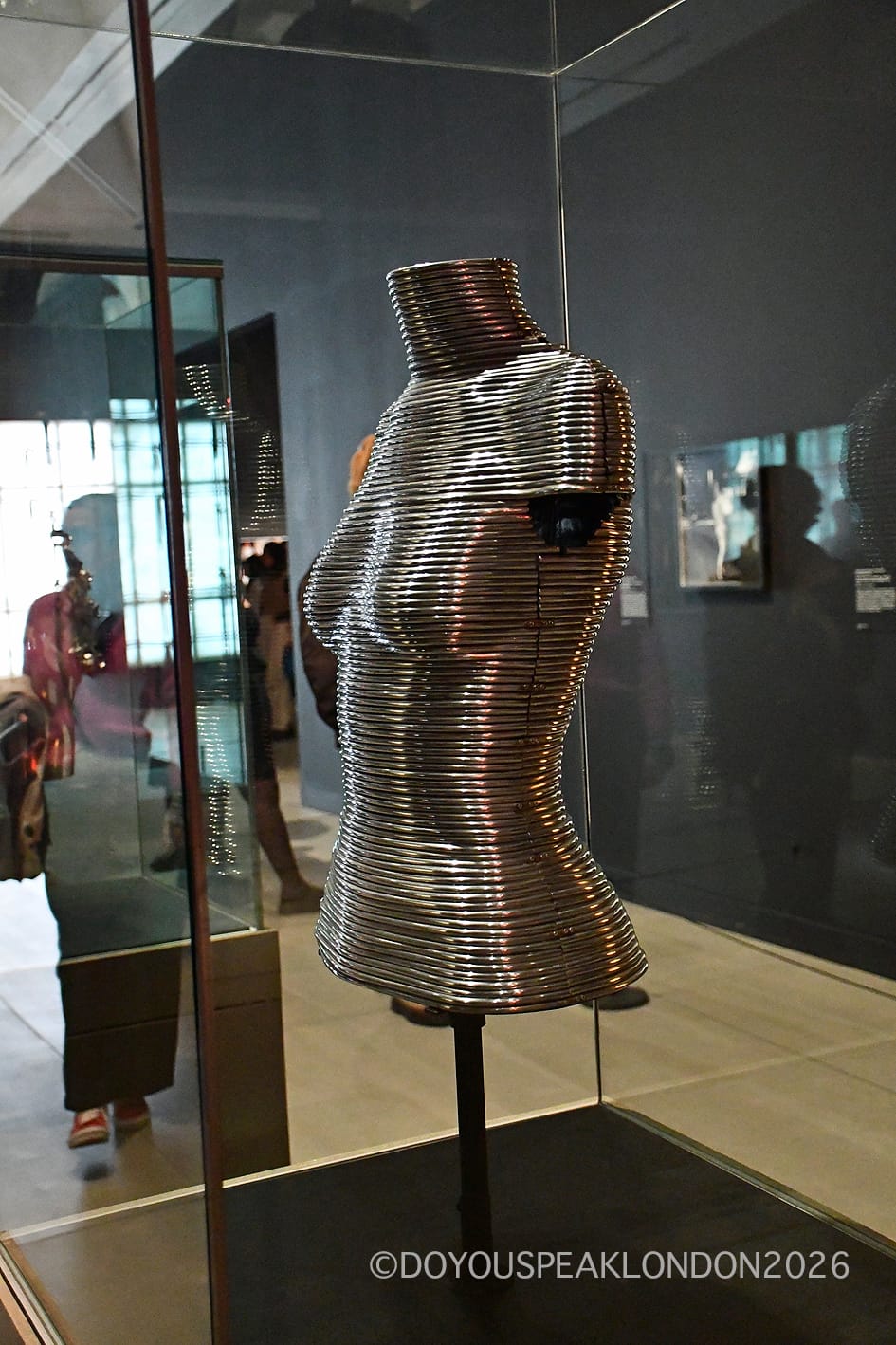
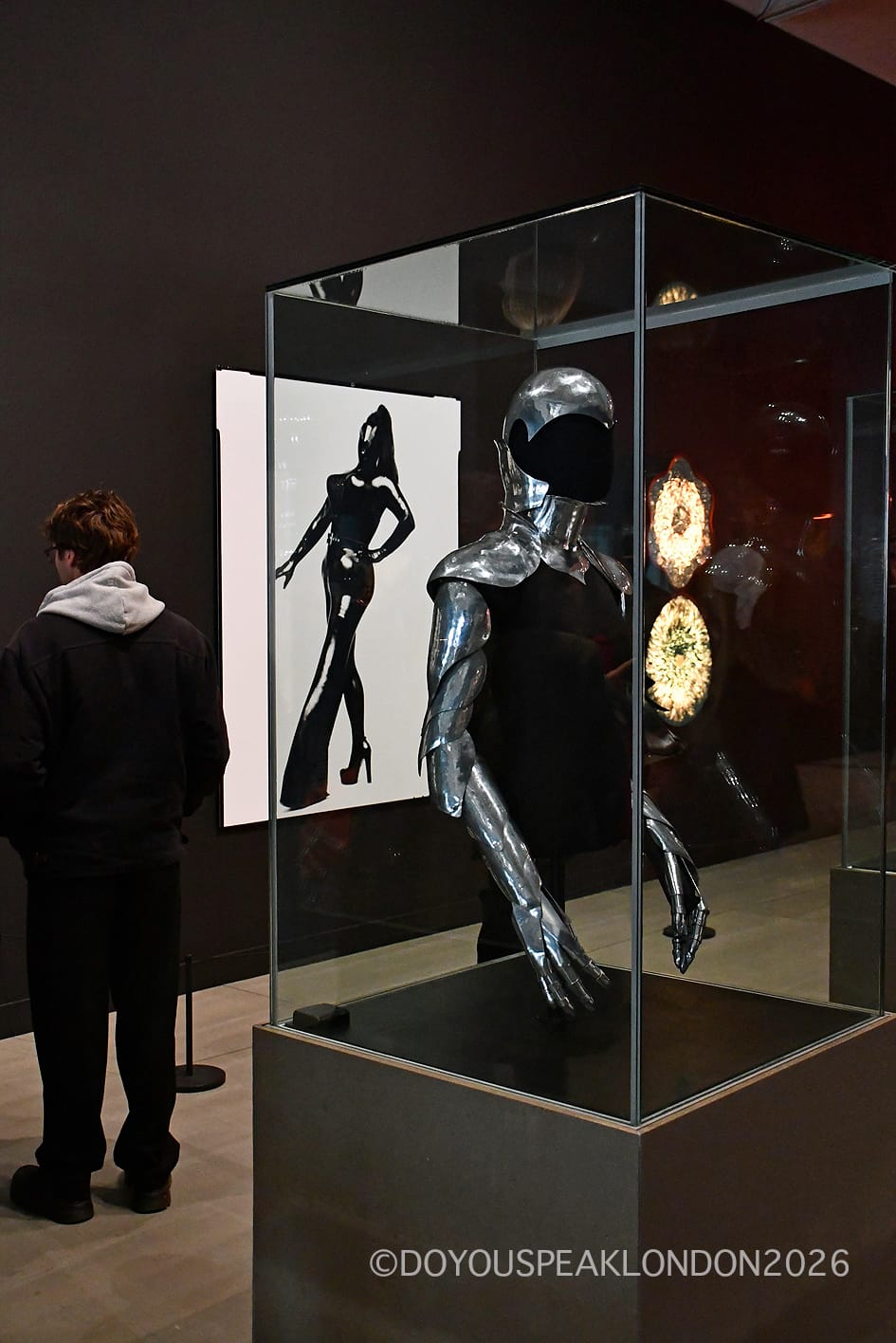
Nation's finest: Black British creativity
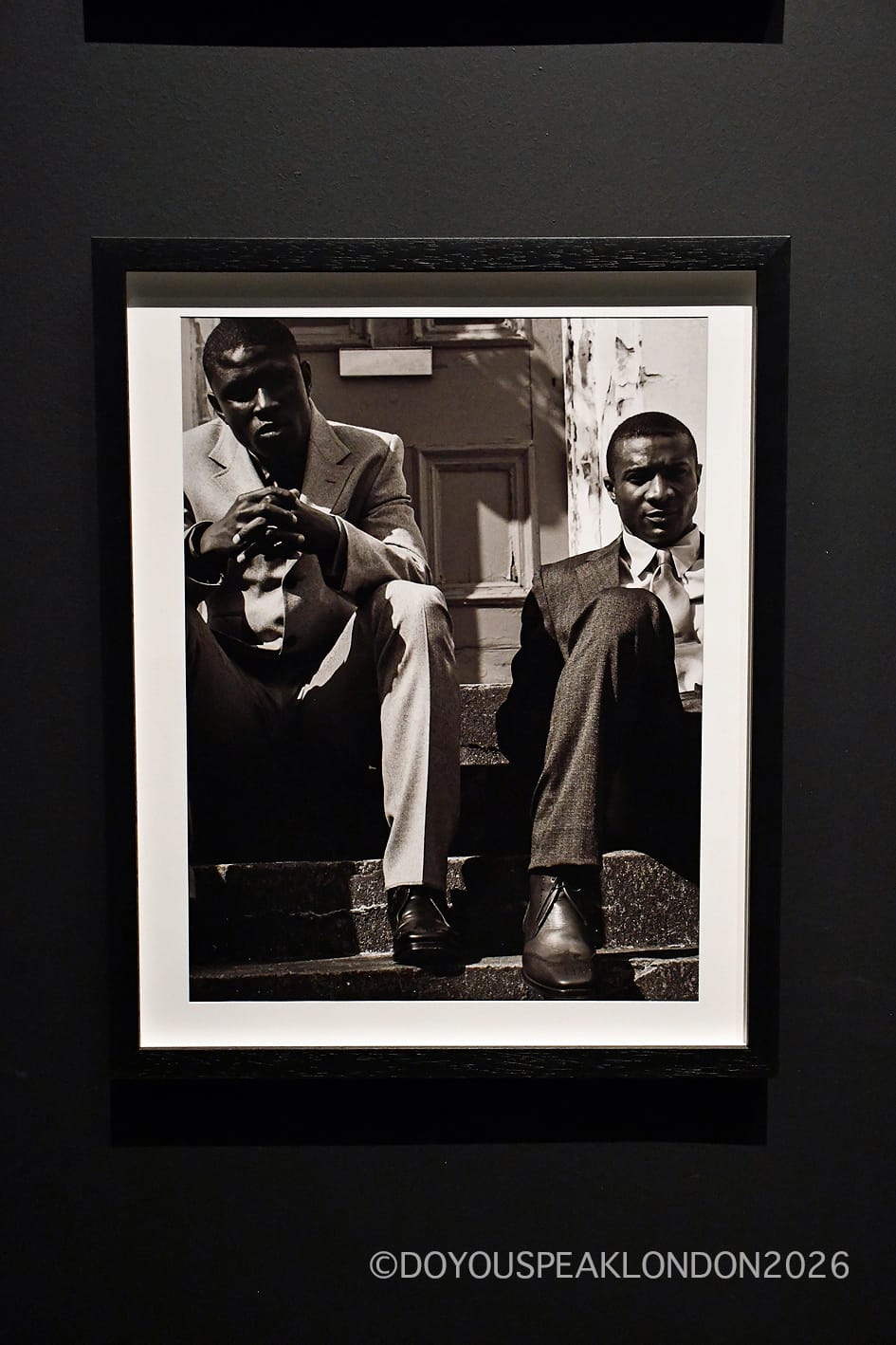
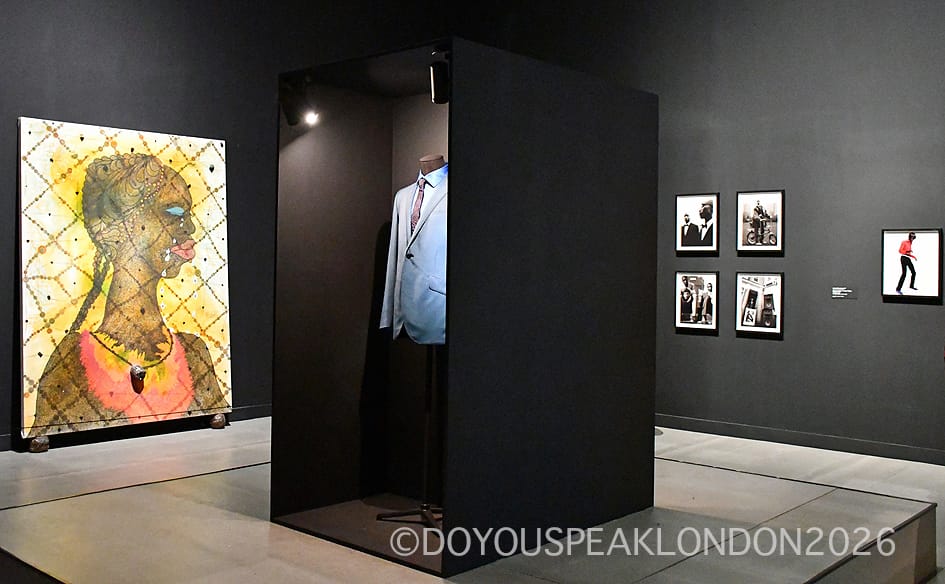
This room celebrates Black British artists and designers, in the years after the murder of Stephen Lawrence in 1993.
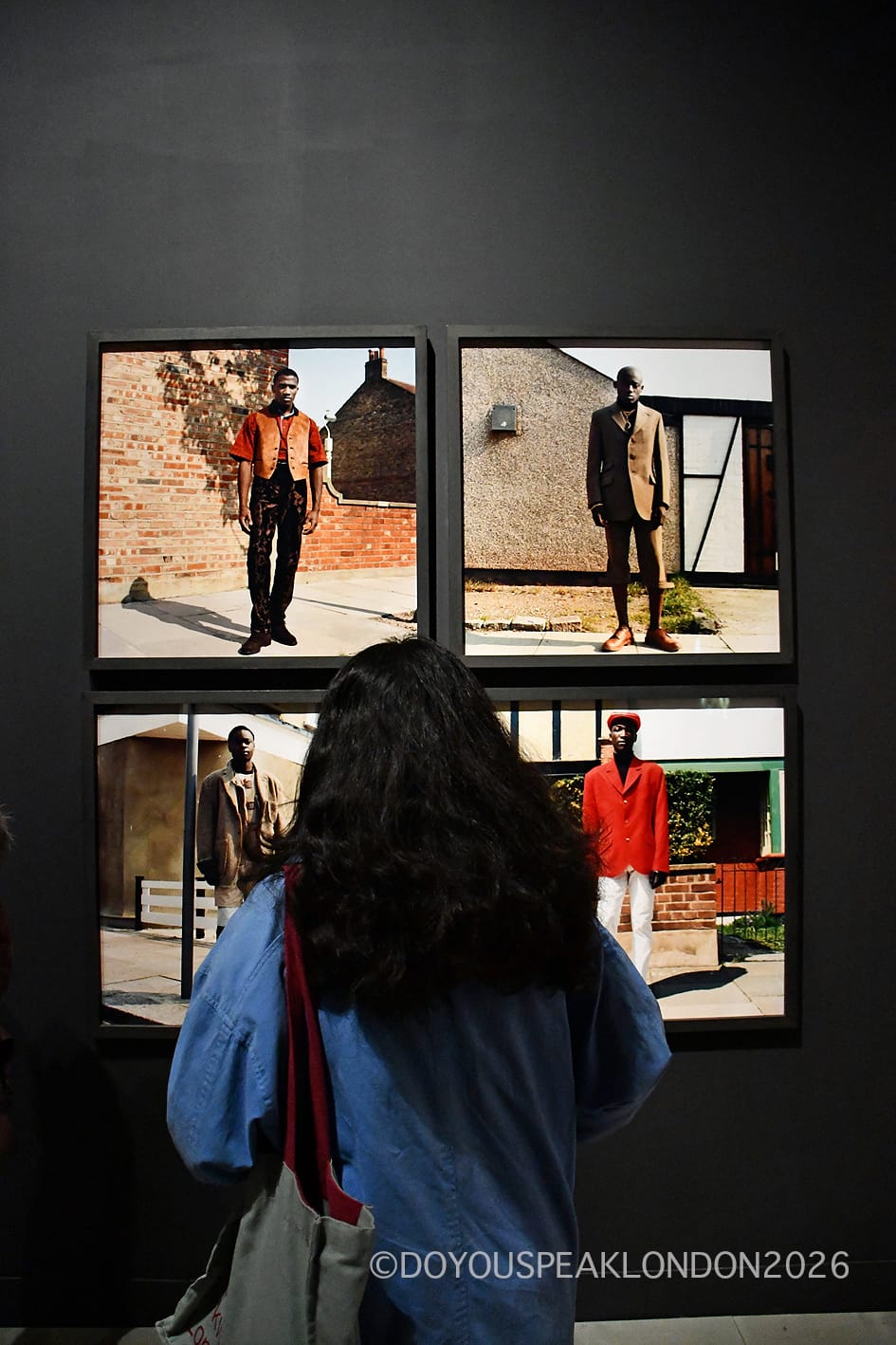
Have a look at Strictly (1991), by Jason Evans with stylist Simon Foxton. Young Black men pose as English country gents, in a series first shown in i-D.
Nearby, Sonia Boyce cut out pictures of Black women's hairstyles from magazines and stuck them onto squares of brightly coloured paper. The result is Black Female Hairstyles (1995), a colourful grid of braids, buns and sculpted shapes.
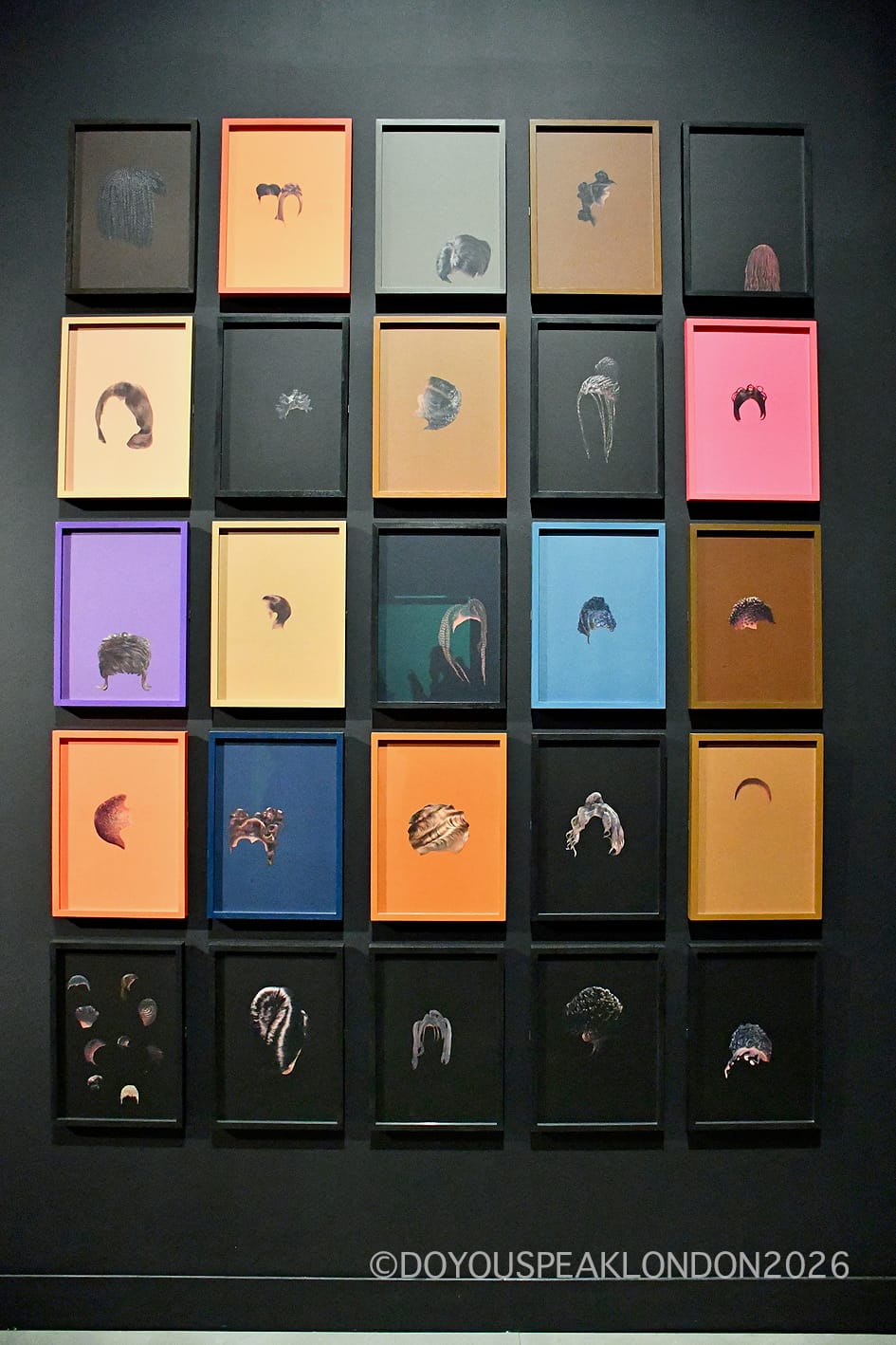
Boyce explains here how complete strangers would come up and want to touch her hair. Here, she turns it into something to admire and celebrates the "glorious creativity" of reinventing your hairstyle!
The swing of history: tartan, crinolines and a ship on a hat
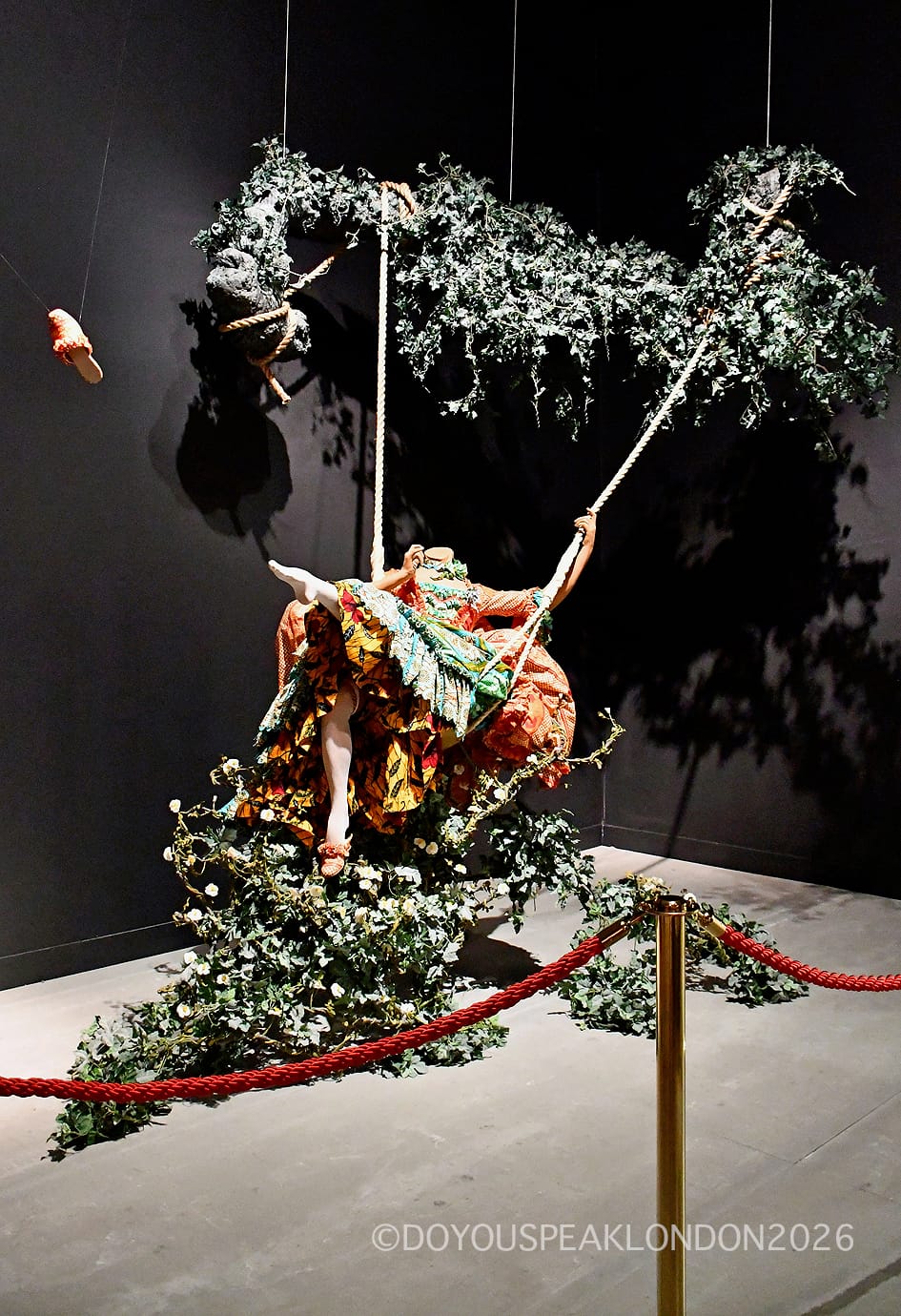
The last room plays with the past. Yinka Shonibare's headless lady on a swing, in colourful wax-print fabric, is a new take on Fragonard's 18th-century painting The Swing.
Close by sits Philip Treacy's famous ship hat, made for his muse Isabella Blow.
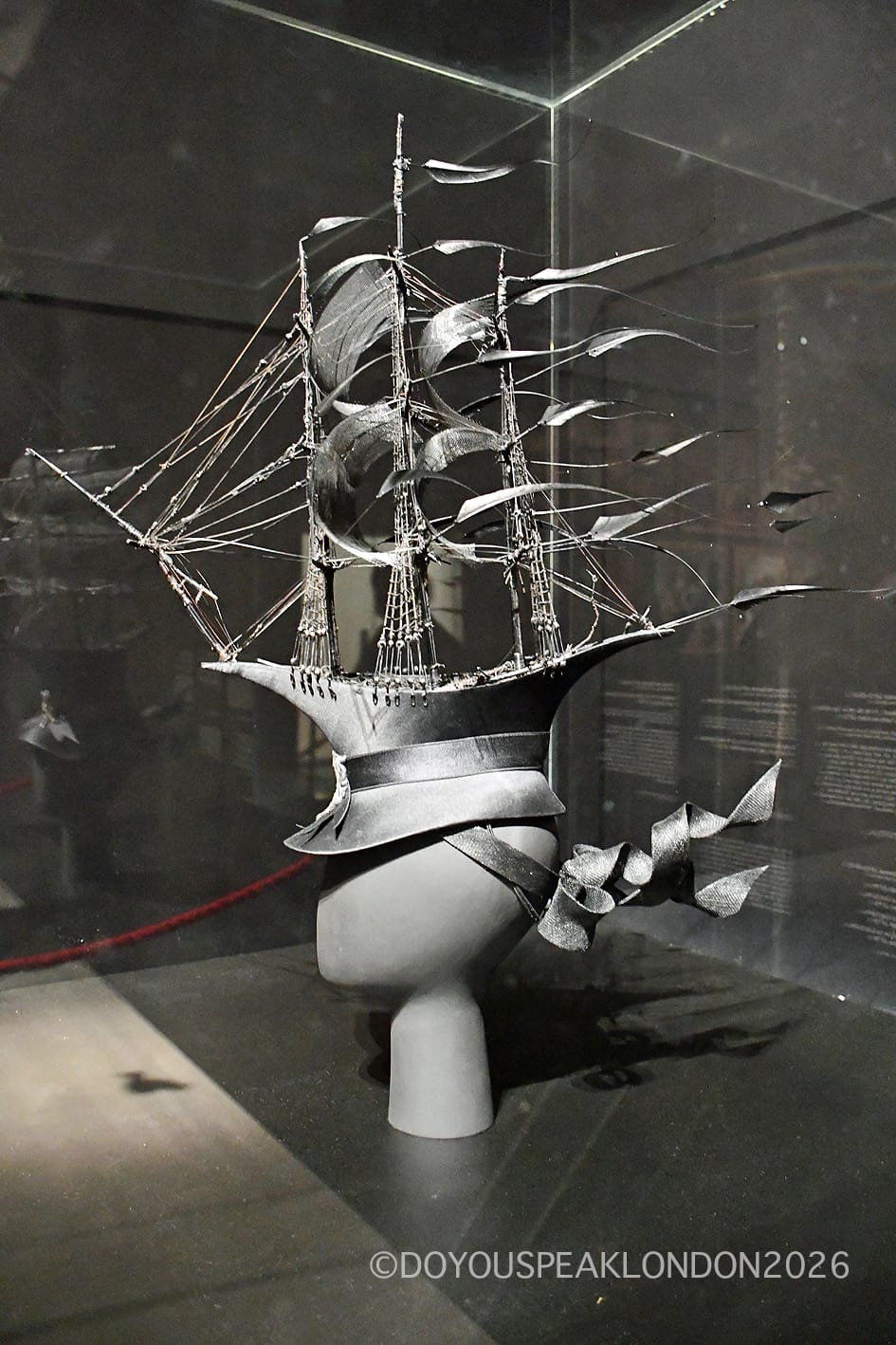
Then come the spectacular looks of Vivienne Westwood and John Galliano, mixing corsets, Highland tartan and the Japanese kimono.
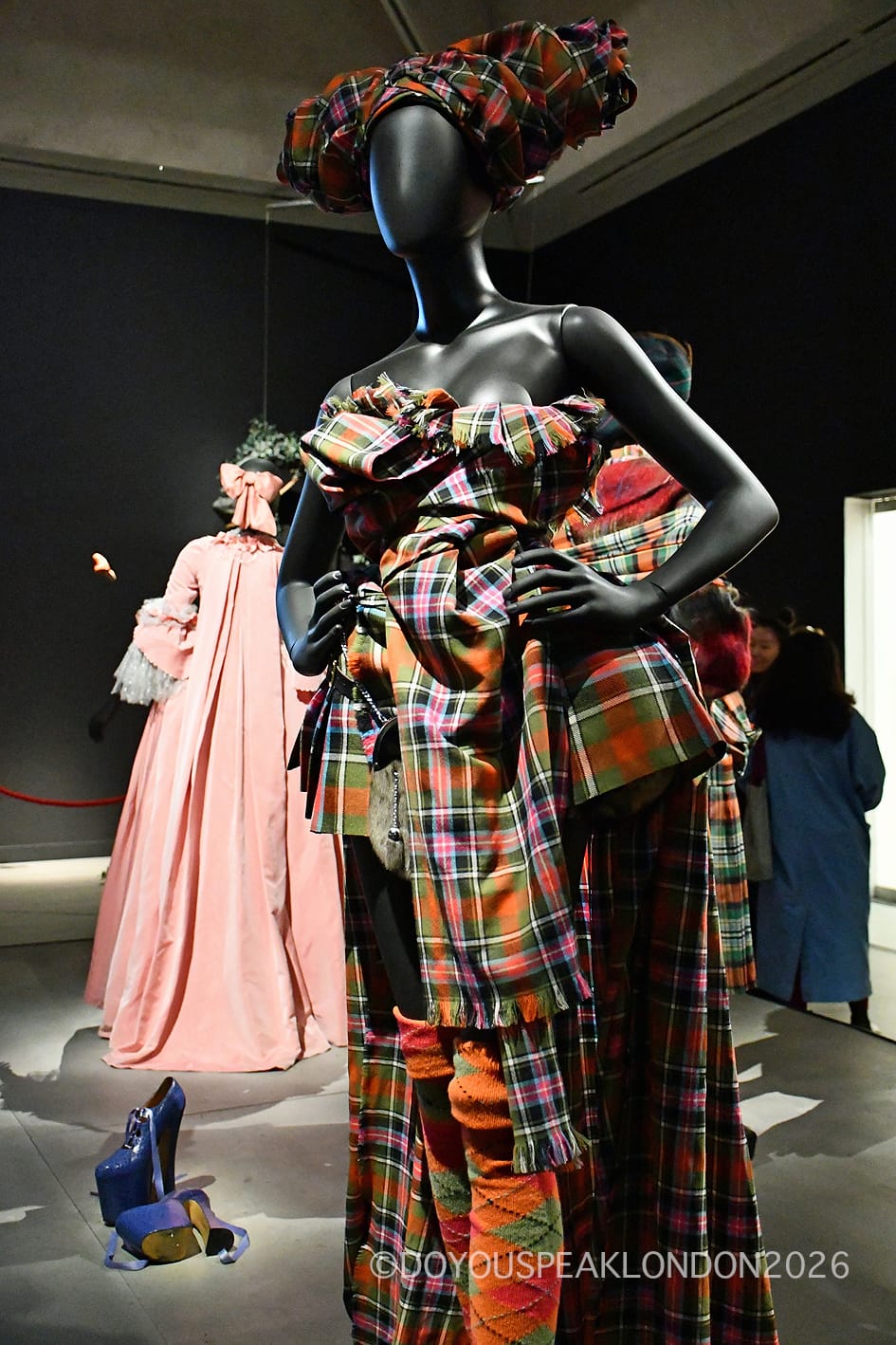
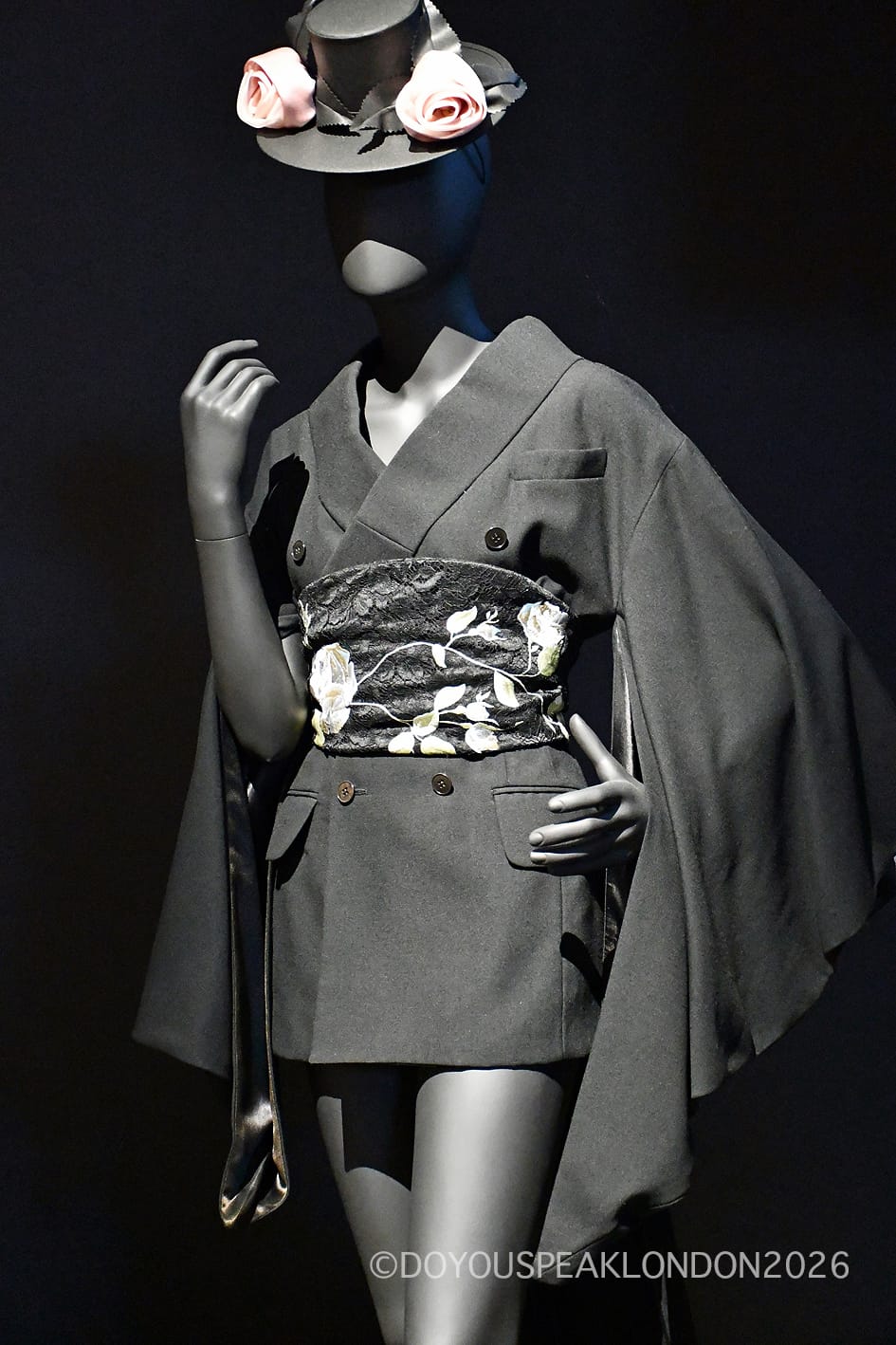
On the wall, Shonibare's Diary of a Victorian Dandy (1998) shows the artist himself as a Victorian gentleman, surrounded by admirers.
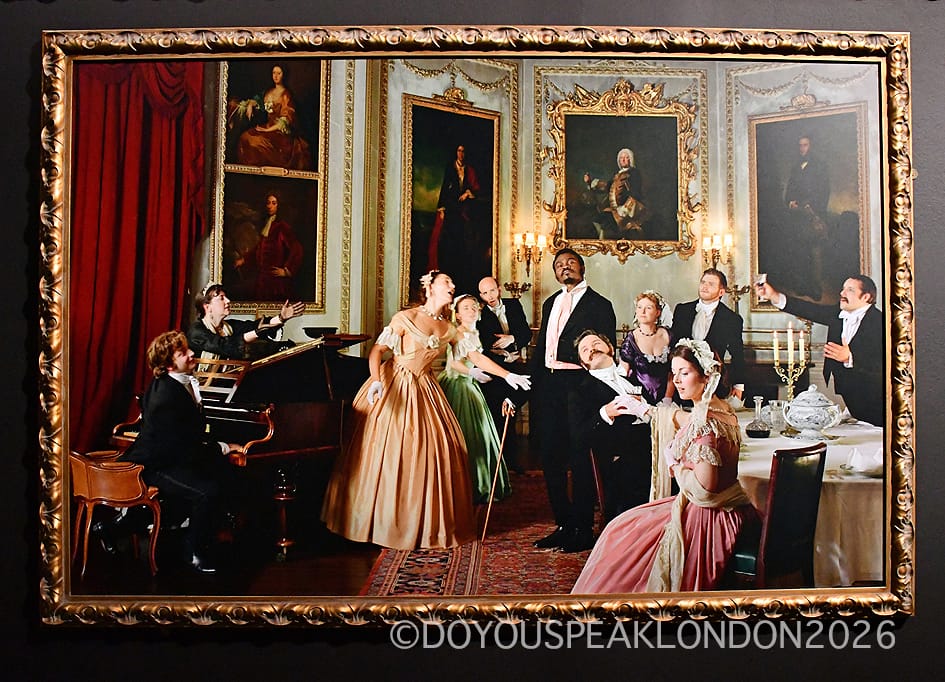
Why all these crinolines, wigs and gilded frames? The 18th century stood for aristocratic luxury, but also for the violence of the British Empire. By borrowing its style, artists and designers asked questions about class, race and power.
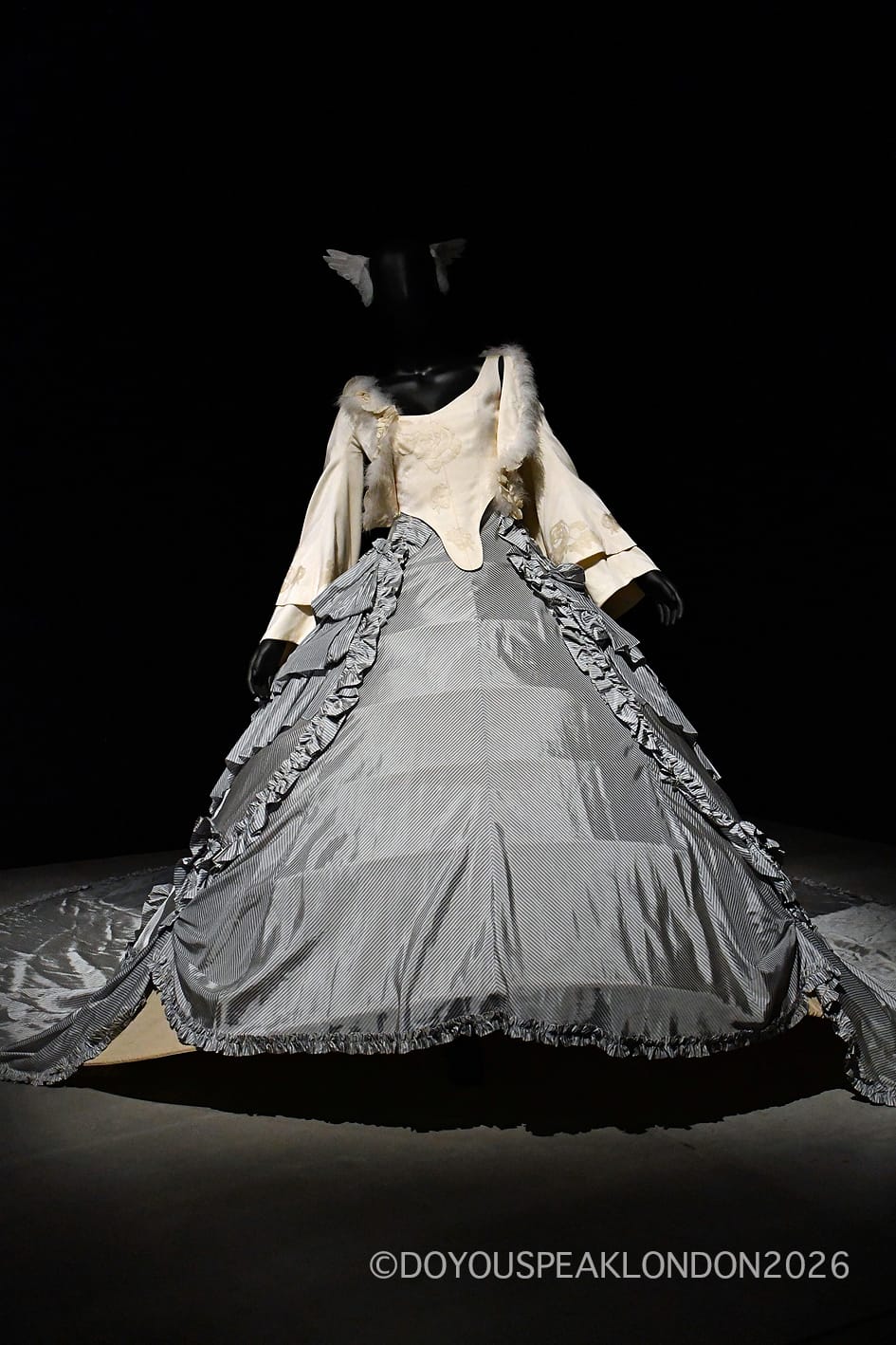
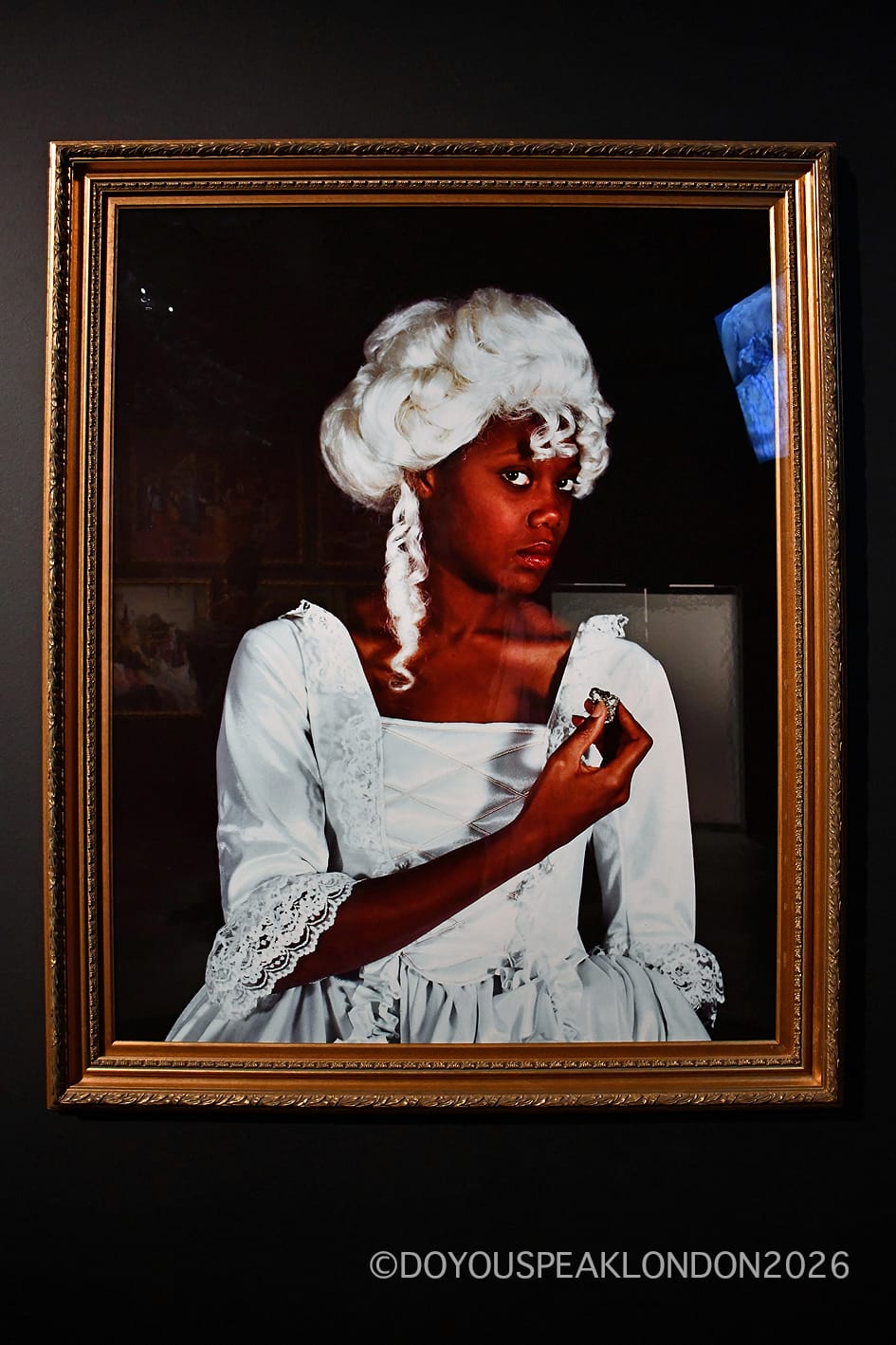
For the end of the century, it was a way to show that history isn't fixed: you can rewrite it!
Why the 90s exhibition at Tate Britain feels so fresh
A McQueen gown, a Hirst shark, a rave flyer and even a wallpaper covered in bottoms, all on the same floor! There's a bit of everything here, and that's what makes Enninful's mix of art and fashion so much fun to explore!
If you grew up in the 90s, you'll probably recognise quite a few faces. If you didn't, it's a great way to see where some of today's trends and styles come from.
Afterwards, the rest of Tate Britain is free, with British art from the Tudors to today.
Planning to see The 90s: Art and Fashion at Tate Britain? I'd love to hear what you think! Share your experience in the comments below 🥰
Everything you need to know about The 90s: Art and Fashion:
Address: Tate Britain, Millbank, London SW1P 4RG (exhibition on the Main Floor)
Nearest station: Pimlico (Victoria line), about 10 minutes' walk
Dates: 8 October 2026 to 14 February 2027
Tickets: £22, concessions £20, £5 for 16–25s with Tate Collective (free to join), free for Tate Members. Audio guide with Edward Enninful: £5
Opening hours: Daily 10am to 6pm, late opening until 10pm on Friday 12 February 2027
Booking: Online at tate.org.uk or by phone on +44 (0)20 7887 8888
Good to know: The exhibition contains strong language and references to drug use, one room includes a graphic representation of violent death, and another has flashing lights
Website: tate.org.uk